Miu Miu’s Literary Club Returns to Milan with Politics of Desire
Miu Miu’s Literary Club returns to Circolo Filologico Milanese with Ernaux and Aidoo, turning desire, consent and resistance into the season’s sharpest style conversation.
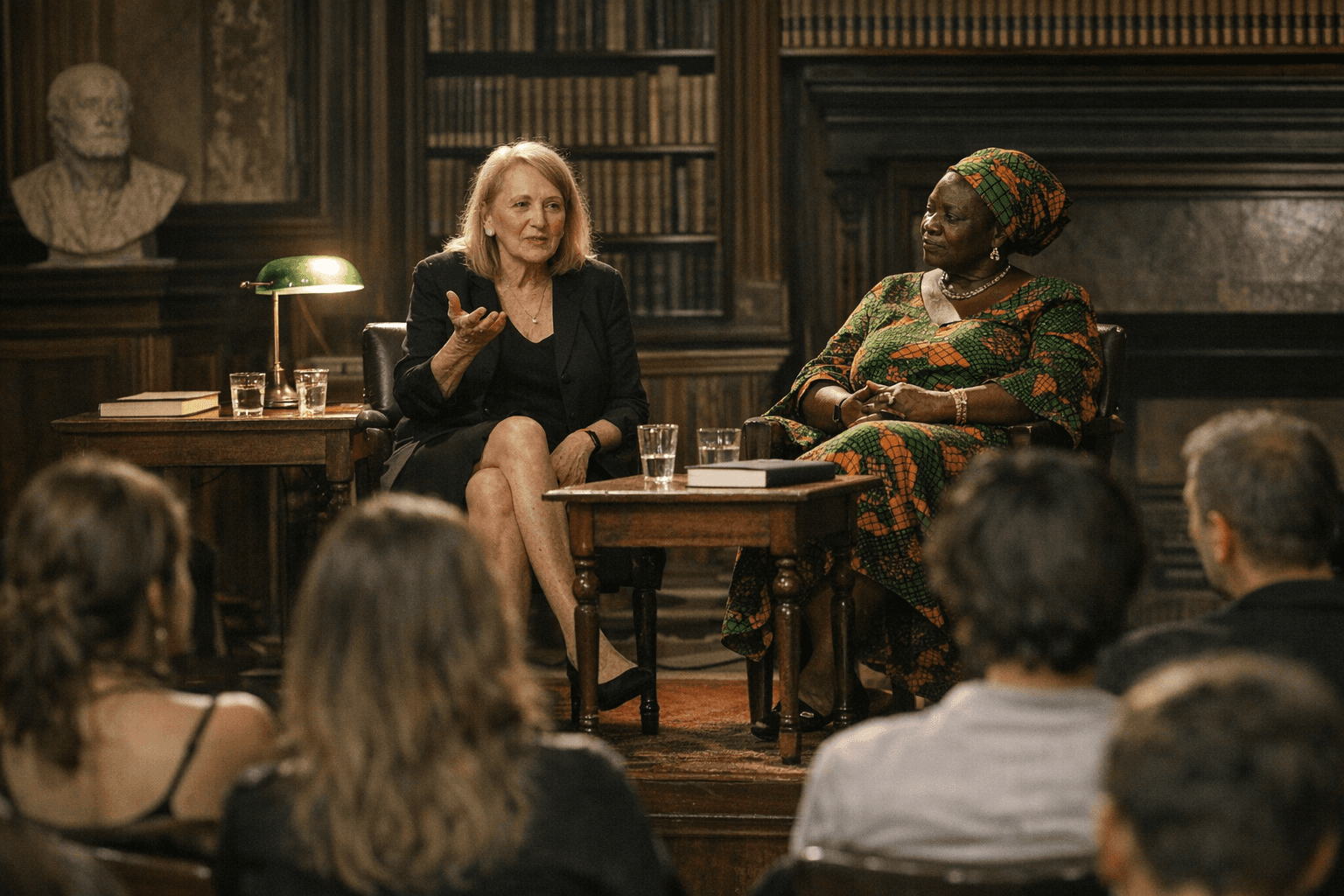
Miu Miu is turning Milan Design Week into something more pointed than a branded salon. Its Literary Club will return for a three-day run from April 22 to 24 at Circolo Filologico Milanese on Via Clerici 10, with Miuccia Prada directing a program built around Annie Ernaux and Ama Ata Aidoo and framed under the theme Politics of Desire.
That phrase does a lot of work. Miu Miu is casting desire as both intimate and political, a force tied to self-determination and, in the brand’s own language, “a radical act of resistance.” For a house that has spent years building a cultural vocabulary around women’s lives, sexuality and consent, the move feels deliberate rather than decorative. The question is whether the conversation deepens the brand’s feminist identity or simply gives luxury a more intellectual sheen. In Miu Miu’s hands, it is usually a little of both.
This is the fourth edition of Literary Club, and the format has become one of the clearest expressions of Miu Miu’s larger cultural strategy. The first installment, Writing Life, centered on Sibilla Aleramo and Alba de Céspedes. Last year’s A Woman’s Education looked to Simone de Beauvoir and Fumiko Enchi for a discussion of girlhood, love and sex education. Each chapter has used literature to stage a different angle on women’s autonomy, which is exactly why the program feels more substantial than another front-row coda to fashion week.
The setting matters too. Circolo Filologico Milanese gives the event a quietly old-world seriousness, while its place on the Brera Design District calendar folds the club into the city’s most design-saturated week. That is smart luxury politics: Miu Miu is not just hosting an event, it is claiming a space where style, theory and social codes can share the same table.
The brand is also placing Literary Club alongside Women’s Tales, now in its 27th iteration, signaling that this is not a one-off flourish but a long-running cultural platform. That consistency is what gives Miu Miu’s feminism its force, and also what keeps it under scrutiny. In 2026, luxury is full of polished programming; the difference here is that Miu Miu keeps returning to women writers, women’s desire and women’s language as if they still matter as much as the clothes.
Know something we missed? Have a correction or additional information?
Submit a Tip