NDTV Shopping's March Edit Builds a Versatile Capsule Wardrobe for Modern Indian Style
NDTV Shopping's March edit cracks the capsule wardrobe code for Indian dressing: neutral anchors, smart layers, and footwear that works everywhere.
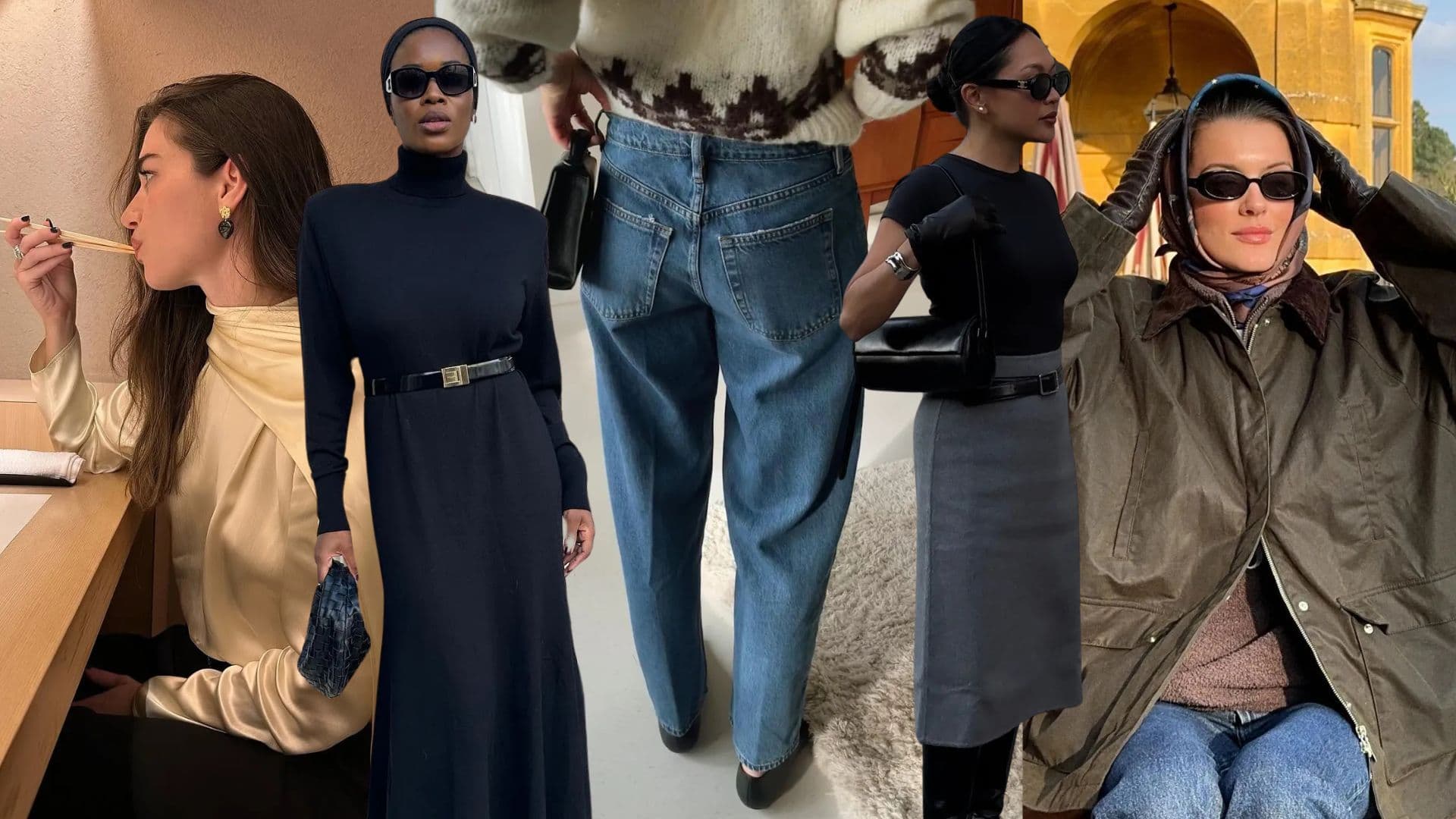
There's a specific kind of exhaustion that hits when you're staring at a full wardrobe and still can't figure out what to wear. NDTV Shopping's March 12 style edit was built to solve exactly that problem, presenting a head-to-toe capsule designed for the way contemporary Indian life actually moves: from morning meetings to weekend markets, from air-conditioned offices to sun-drenched terraces.
The edit's central argument is that most dressing problems are architecture problems. When your wardrobe is anchored in the right neutrals, layered with pieces that have genuine range, and grounded with footwear that doesn't demand a specific occasion, getting dressed becomes a decision that takes minutes rather than half your morning.

The Neutral Anchor Principle
Every functional capsule starts here. The March edit leans hard into neutral tones, and for good reason: they're the connective tissue that makes a small wardrobe feel larger than it is. A warm off-white, a versatile sand, a clean charcoal — these aren't boring choices, they're strategic ones. When every piece in your rotation can talk to every other piece, you're not just saving time. You're building outfits that look considered rather than assembled under pressure.
For an Indian wardrobe specifically, neutral anchors carry extra weight. The color palette of Indian occasion wear is already bold and saturated. Your everyday pieces should provide contrast and breathing room, not compete for attention. A soft khaki trouser or a cream linen shirt becomes the canvas that lets a single printed dupatta or a hand-block kurta read with full impact.
Layering as a Strategy, Not an Afterthought
The March edit places a significant emphasis on lightweight layering, and this is where the capsule concept earns its keep in the Indian context. The challenge of dressing across Indian climates is real: step outside into March heat and you're in a different environment than the aggressively air-conditioned interior you just left. Layering isn't a Western concept grafted onto a different context. It's the most practical response to that thermal whiplash.
The key is weight. A lightweight blazer worn over a simple fitted tee reads polished enough for a client call and casual enough for lunch afterward. It comes off cleanly when you step outside. It folds without drama. The blazer is perhaps the single most overworked piece in capsule wardrobe conversations, but that reputation is earned. Done right, in a fabric that breathes and a cut that doesn't stiffen the shoulder, it performs across more settings than almost any other garment.
Beyond the blazer, the logic of effortless layering extends to open shirts over fitted base layers, lightweight knits that sit comfortably over both formal and casual bottoms, and longer structured pieces that add visual architecture without adding physical weight.
Footwear That Travels Across Contexts
Footwear is where a lot of otherwise well-considered wardrobes fall apart. The March edit addresses this directly, focusing on versatile footwear choices that translate across settings. The goal is to avoid the situation where your shoes are making the context decision for you.
A clean white sneaker remains the easiest entry point here, but the more interesting picks are the ones that sit in the middle ground: leather sandals with enough structure to feel intentional rather than afterthought-casual, loafers that cross the formal-informal line without looking confused, low-profile sneakers in a neutral that doesn't fight anything you put above it. The principle is the same as the neutral anchor rule applied to footwear: choose pieces that create options rather than eliminating them.
For contemporary Indian style, this conversation also means thinking about footwear that works with both Western silhouettes and Indian ones. A well-chosen pair of kolhapuris or clean leather juttis can anchor a fusion outfit with more authority than a sneaker ever could, and they pack the same versatility punch within Indian dressing contexts.
Building the Capsule: How the Pieces Work Together
A capsule wardrobe isn't a collection of individual good pieces; it's a system where the pieces multiply each other's usefulness. The NDTV Shopping March edit approaches this systemically, selecting items that translate across settings rather than optimizing for a single occasion.
Think about the math: five tops, three bottoms, two layers, and two footwear options should theoretically generate dozens of distinct outfits. In practice, that number only materializes if the pieces are genuinely compatible. This is where the neutral anchor principle and the layering strategy converge. When your base pieces share a tonal language and your layers are light enough to move between contexts, the arithmetic actually works.
The modern Indian wardrobe has a specific set of requirements that a generic capsule guide doesn't always account for. Fabric breathability matters more than it does in most temperate climates. The range of social occasions, from the professional to the festive, is wider. The mixing of silhouettes, a kurta with wide-leg trousers, a structured blazer over ethnic separates, is not an experimental move but a mainstream one. A capsule built for this wardrobe needs to be flexible enough to support that range without demanding a complete outfit overhaul every time the occasion shifts.
Simplifying Daily Dressing Without Sacrificing Range
The ultimate measure of a capsule wardrobe is how much cognitive load it removes without narrowing your options to the point of monotony. The March edit's selection of lightweight, layer-friendly, neutral-anchored pieces addresses this directly. You're not being handed a uniform. You're being given a framework.
The shift in perspective that makes capsule dressing work is moving from "what do I want to wear today" to "what am I building toward." Each piece you bring in should earn its place by multiplying what you already own. A great straight-cut trouser in a neutral that works with everything you already have is more valuable than a statement piece that only works in one configuration.
For anyone who's been assembling pieces reactively, responding to trends and individual moments rather than thinking about wardrobe coherence, the March 12 edit offers a useful reset. The contemporary Indian wardrobe doesn't need more; it needs better organization, smarter neutrals, and pieces whose versatility is baked in at the design level, not improvised after the fact.
This article was produced by Prism’s automated news system from verified source data, official records, and press releases, then run through automated quality and moderation checks before publishing. The system is built and supervised by the people who set the standards it runs under. Read our full AI policy.
Did this article answer your question?