Nine Sustainable, Editor-Tested Outfits for Polished, Low-Effort Work Style
Sustainable work dressing doesn't require a closet overhaul — just nine editor-tested outfits built from organic cotton, linen, and recycled fibers.
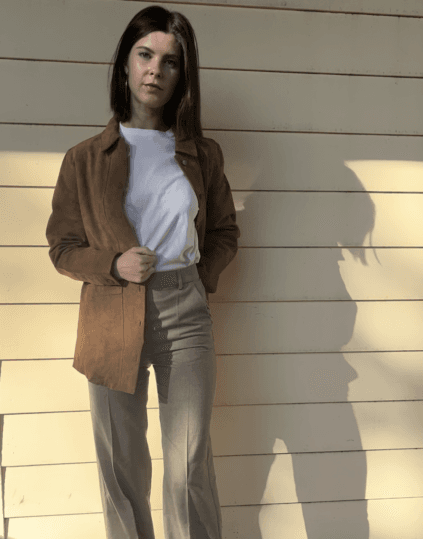
The premise is simple but the execution is harder than it sounds: get dressed for work in under ten minutes, look polished enough for a client meeting, and do it without synthetic fabrics that shed microplastics into the water supply. The editors at The Good Trade spent real time testing outfits to prove it's possible, and the result is a tightly edited collection of nine looks that treat sustainability as a baseline requirement, not a selling point.
What makes this round-up credible is the editor-tested qualifier. These aren't mood board outfits assembled from press images. They were worn to actual offices, evaluated for comfort across a full workday, and judged on whether the fabrics held their shape by 5 p.m. The material focus is deliberate: organic cotton, linen, and recycled fibers anchor every recommendation, because the editors understand that effortless style starts with fabric that moves and breathes correctly.
The Organic Cotton Foundation
Organic cotton is the workhorse of sustainable work dressing, and for good reason. It drapes with more weight than conventional cotton, resists pilling through repeated washing, and doesn't rely on the pesticide-heavy growing practices that make standard cotton one of the most environmentally costly textiles in production. A well-cut organic cotton blouse or tailored trouser reads as effortlessly put-together precisely because the fabric does the structural work for you.
The Linen Power Suit (or Separates)
Linen has shed its reputation as the fabric that wrinkles before you've finished your morning coffee. Modern linen weaves, particularly those blended with a small percentage of recycled fiber, have enough body to maintain a clean silhouette through meetings and commutes. The editors tested linen separates specifically because they solve the suit problem: you get the authority of a matching set without the formality of wool, and each piece can be worn independently on lower-stakes days.
The Recycled Fiber Knit
A fine-gauge knit made from recycled fibers sits at the intersection of comfort and credibility in a way that few other garments manage. The texture reads as intentional rather than casual, particularly when the silhouette is slightly relaxed through the shoulders but fitted at the waist. Recycled fibers, whether post-consumer polyester or regenerated wool, have improved dramatically in hand-feel over the past few years, making them genuinely competitive with virgin materials on tactile grounds.
The Elevated Midi Dress
A midi-length dress in a sustainable fabric is arguably the most efficient outfit in this entire round-up: one garment, zero coordination required, and enough coverage to work across office dress codes from business casual to more conservative environments. The editors gravitated toward styles with clean necklines and minimal detailing, because the fabric and cut carry the look without decoration. An organic cotton or linen midi in a neutral or muted tone photographs well, travels without wrinkling badly, and requires nothing from you except putting it on.
The Tailored Wide-Leg Trouser
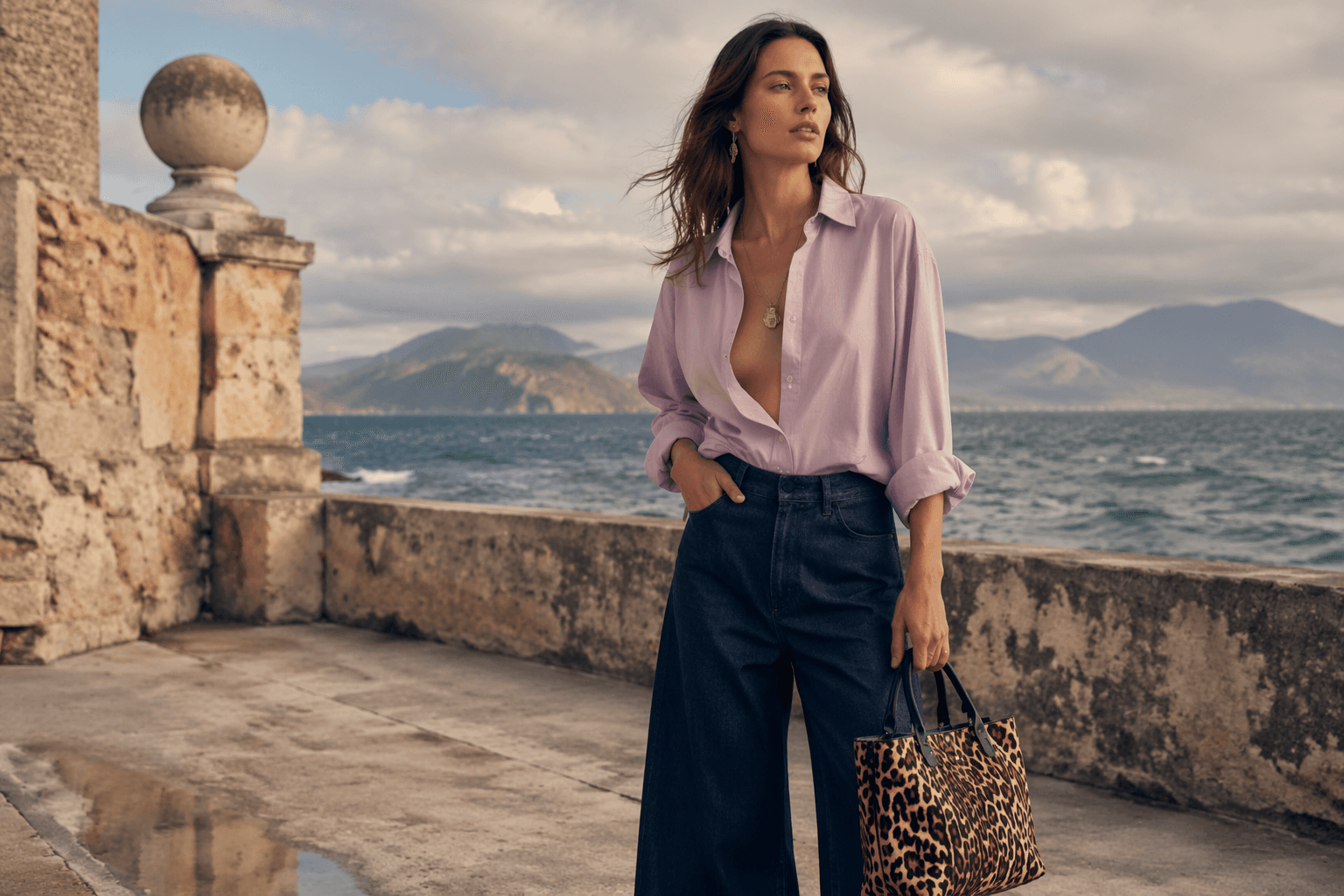
Wide-leg trousers made from certified sustainable fabrics have become the defining silhouette of contemporary office dressing, and the editors tested multiple cuts before landing on recommendations. The key variables are rise and fabric weight: a high rise in a medium-weight organic cotton or recycled-fiber blend will hold the wide-leg shape correctly throughout the day, while lighter fabrics tend to collapse at the thigh by early afternoon. Paired with a simple tucked-in top, this is the outfit that consistently photographs as more considered than the effort it requires.
The Structured Blazer
A blazer cut from sustainable materials is the piece that does the most diplomatic work in a work wardrobe. It can formalize a dress, elevate a knit-and-trouser combination, or function as a standalone top over wide-leg pants. The editors tested blazers with some internal structure, because fully unlined sustainable blazers, while lighter, tend to lose their shape at the shoulders over the course of a long day. A blazer with minimal but strategic interfacing in organic cotton canvas holds its form without sacrificing the breathability that makes sustainable fabrics worth wearing.
The Relaxed Button-Down
The button-down shirt in organic cotton or linen is the piece that earns its place in this round-up through pure versatility rather than any single moment of impact. Tucked into the wide-leg trouser, it creates a complete look. Worn open over a slip dress, it adds layering without weight. The editors specifically tested relaxed cuts rather than fitted ones, because a slightly oversized button-down reads as deliberately styled in a way that a tight fit rarely does, and it remains comfortable across the full range of office temperatures.
The Slip Dress as Base Layer
The slip dress has quietly become one of the most functional pieces in sustainable work dressing, functioning as both a standalone outfit and a layering foundation. In organic cotton or a recycled-fiber satin, it works under a blazer for formal days and on its own with minimal accessories for more relaxed offices. The editors noted that midi-length slip dresses in muted tones, dusty rose, warm ivory, slate, navigate the line between relaxed and office-appropriate more successfully than shorter hemlines.
The Statement Knit Cardigan
The final piece in the round-up functions as a capsule anchor: a slightly oversized knit cardigan in a recycled wool or organic cotton blend that can complete four or five of the other outfits in this list. Worn over the slip dress, it creates a layered look with enough visual interest to function as a full outfit. Draped over the shoulders with the button-down and wide-leg trouser, it adds texture without adding formality. The editors tested multiple weights and landed consistently on medium-gauge knits as the most versatile, because they work across seasons rather than being tied to a single temperature range.
The throughline across all nine outfits is the same: sustainable materials, when chosen correctly and cut with intention, require less styling effort than their conventional counterparts, not more. Organic cotton and linen move in ways that create visual interest without accessories. Recycled-fiber knits maintain their shape through long days. The environmental case for these fabrics is well-documented, but the editors at The Good Trade are making a different argument: that sustainable work dressing is also just better dressing, full stop.
This article was produced by Prism’s automated news system from verified source data, official records, and press releases, then run through automated quality and moderation checks before publishing. The system is built and supervised by the people who set the standards it runs under. Read our full AI policy.
Did this article answer your question?