Opera Coats Return, Bringing Quiet Luxury to Spring 2026
Opera coats are the rare spring layer that looks dramatic without looking loud. For minimalists, they deliver polish, history, and one very good exit line.
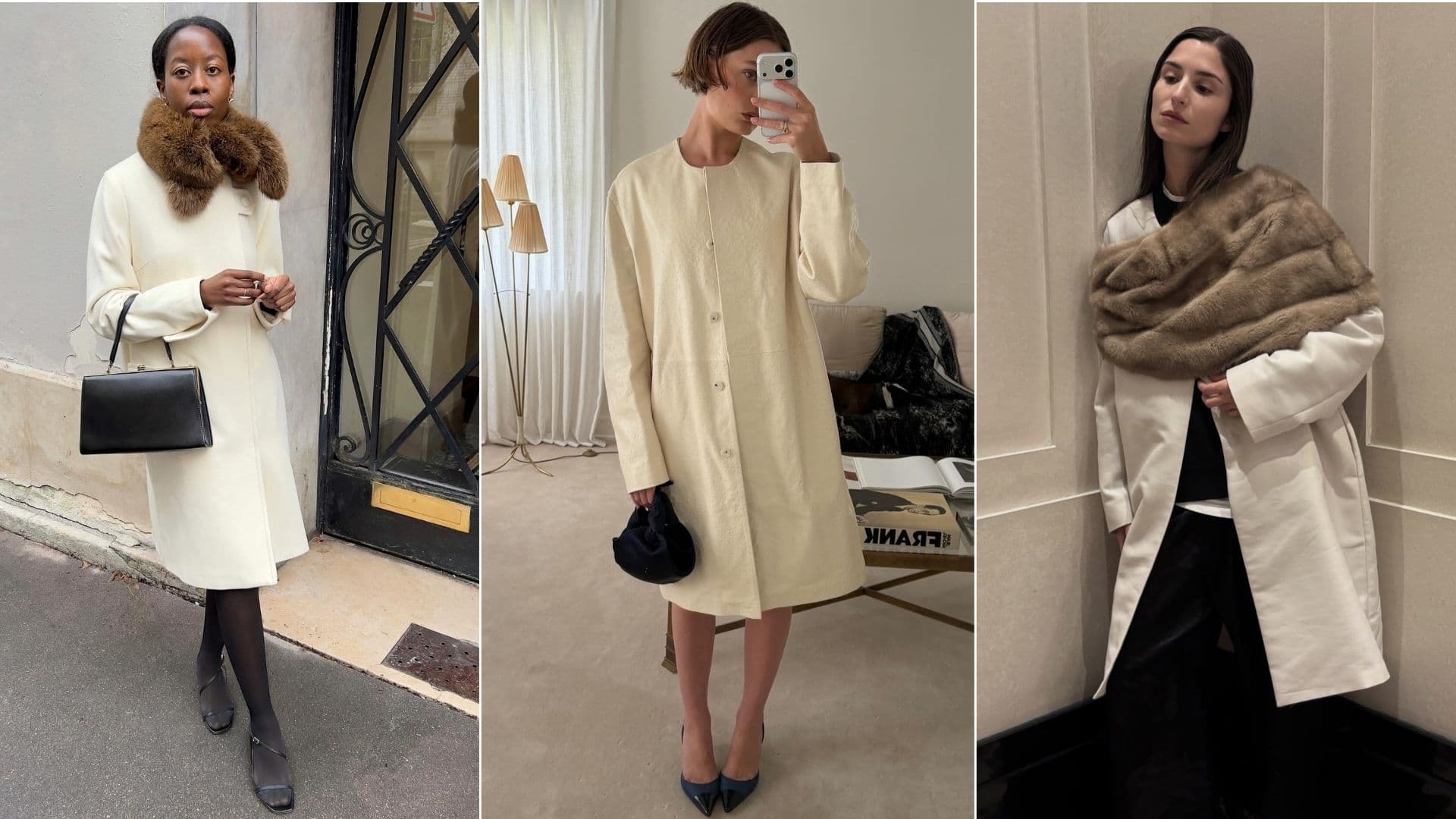
The one coat that makes the outfit
The opera coat is back because it solves the exact problem so many wardrobes have right now: how to look finished without piling on extra fashion noise. It is long, elegant, and deliberately composed, which is why it lands so well with minimalistic dressers who want everyday opulence instead of another micro-trend to babysit.
That is the real appeal here. In a spring 2026 outerwear season shaped by runway looks in New York, London, Milan, and Paris, the mood tilted toward classic refinement, subtle expression, and contemporary reinvention. The opera coat fits that lane perfectly. It gives you presence at the door, polish in the street, and enough restraint to work with the clothes you already wear.
Why it feels current without trying too hard
The smartest thing about the opera coat is that it reads as elevated before it reads as fashionable. You do not need loud hardware, weird cutouts, or an aggressively new silhouette for it to do its job. The shape itself brings the drama, which is exactly why it feels so useful in a season where designers were giving outerwear the spotlight and reframing what spring outerwear can be.
Timothée Chalamet helped keep the opera-house conversation alive after his Met Gala appearance, but the coat is not depending on celebrity gossip to make its case. It works because it turns one outer layer into the whole mood. Throw it over tailored trousers and a simple knit, or over a slip dress and flat shoes, and the outfit looks intentional without looking overworked.
That is also why it feels especially right for people who like their clothes edited. If your wardrobe leans toward clean lines, dark neutrals, soft tailoring, and good shoes, the opera coat adds the missing punctuation mark. It is the sort of piece that makes a grocery run look like you had somewhere better to be.
The difference between polished and costume
Not every long coat qualifies. The wearable version of an opera coat has to feel like something you can actually live in, not something you are reserving for a themed entrance. The line is easy to spot: a good one skims the body, carries itself with quiet structure, and looks just as plausible over daytime tailoring as it does over evening clothes.
The costume-like version is the one that pushes too hard. If the coat is too theatrical, too fussy, or so aggressively decorative that it can only exist under perfect lighting, it stops being versatile. The best opera coats keep the silhouette sleek and the finish controlled. They should feel luxurious, not precious.
- A long, straight or gently fluid line instead of exaggerated volume
- A color that plays well with the rest of your closet, especially black, camel, deep brown, navy, or charcoal
- Enough structure to hold its shape without swallowing the outfit underneath
- A finish that feels rich, but not over-embellished
For everyday wear, look for the details that keep it grounded:
That balance is what makes the coat the season’s smartest polish-maker. It does not demand a wardrobe overhaul. It just asks the rest of the look to stay calm.
The history is the point
This silhouette has pedigree, and not the vague kind brands like to invoke when they want to sound expensive. The Metropolitan Museum of Art holds a House of Paquin opera coat from 1912, a French piece that instantly shows how closely this garment has always been tied to spectacle and status. Jeanne Paquin was among the first couturières to advertise her house by taking models to operas and races, which is basically the original fashion-world version of knowing how to stage an entrance.
The Met also preserves an American opera cloak from about 1880, worn in the evening and made from wool, silk, and feathers. That detail matters because it proves the category was never only decorative. It was formal outerwear with a purpose, built to cover the body while still signaling money, access, and taste.
Even the scale of the Met’s Costume Institute collection puts the trend in perspective. The institution holds more than 33,000 objects spanning seven centuries, and that depth is what makes the opera coat feel less like a seasonal gimmick and more like a silhouette that keeps resurfacing whenever fashion wants elegance with a sharper edge.
How to wear it now
The trick is not to style the opera coat like evening costume unless that is actually the point. The more modern move is to let it sharpen the ordinary. Wear it with straight-leg denim, crisp tailoring, or a monochrome base so the coat can stay the focal point without fighting the outfit.
It is especially strong for minimalists because it gives you maximum return from one piece. Instead of collecting a stack of small trend items, you get one dramatic outer layer that works with what is already in your closet. That is the beauty of it: the coat does the talking, and everything else can stay in a lower register.
In spring 2026, that feels like the most stylish kind of restraint. The opera coat does not shout, but it never disappears, and that combination is exactly why it is landing now.
This article was produced by Prism’s automated news system from verified source data, official records, and press releases, then run through automated quality and moderation checks before publishing. The system is built and supervised by the people who set the standards it runs under. Read our full AI policy.
Did this article answer your question?