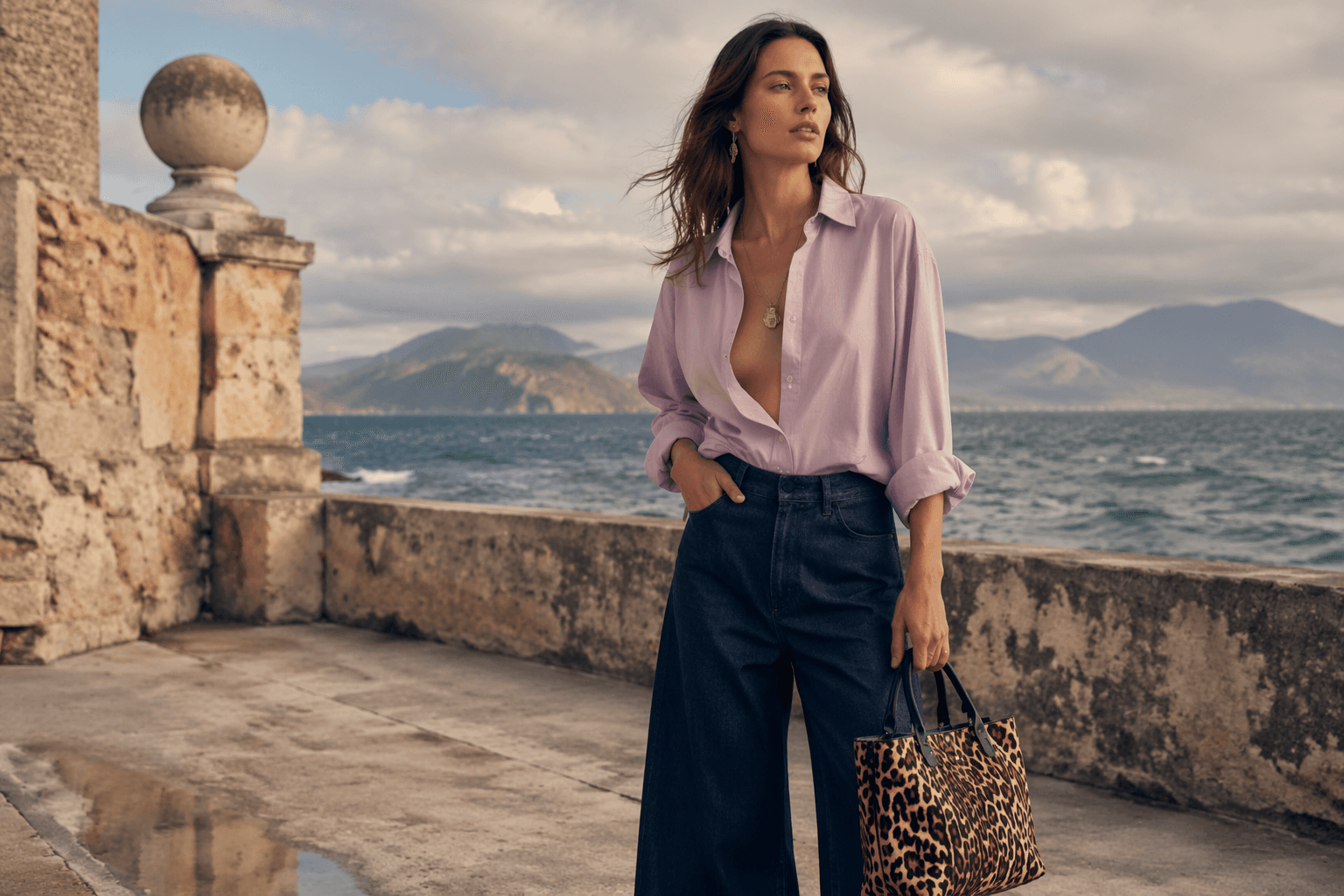
Parker Thatch turns functional luxury into cult-favorite handbags
Parker Thatch built cult status by pairing limited-run craftsmanship with everyday function, turning hero bags like the Charlie and Tokyo Shopper into word-of-mouth favorites.
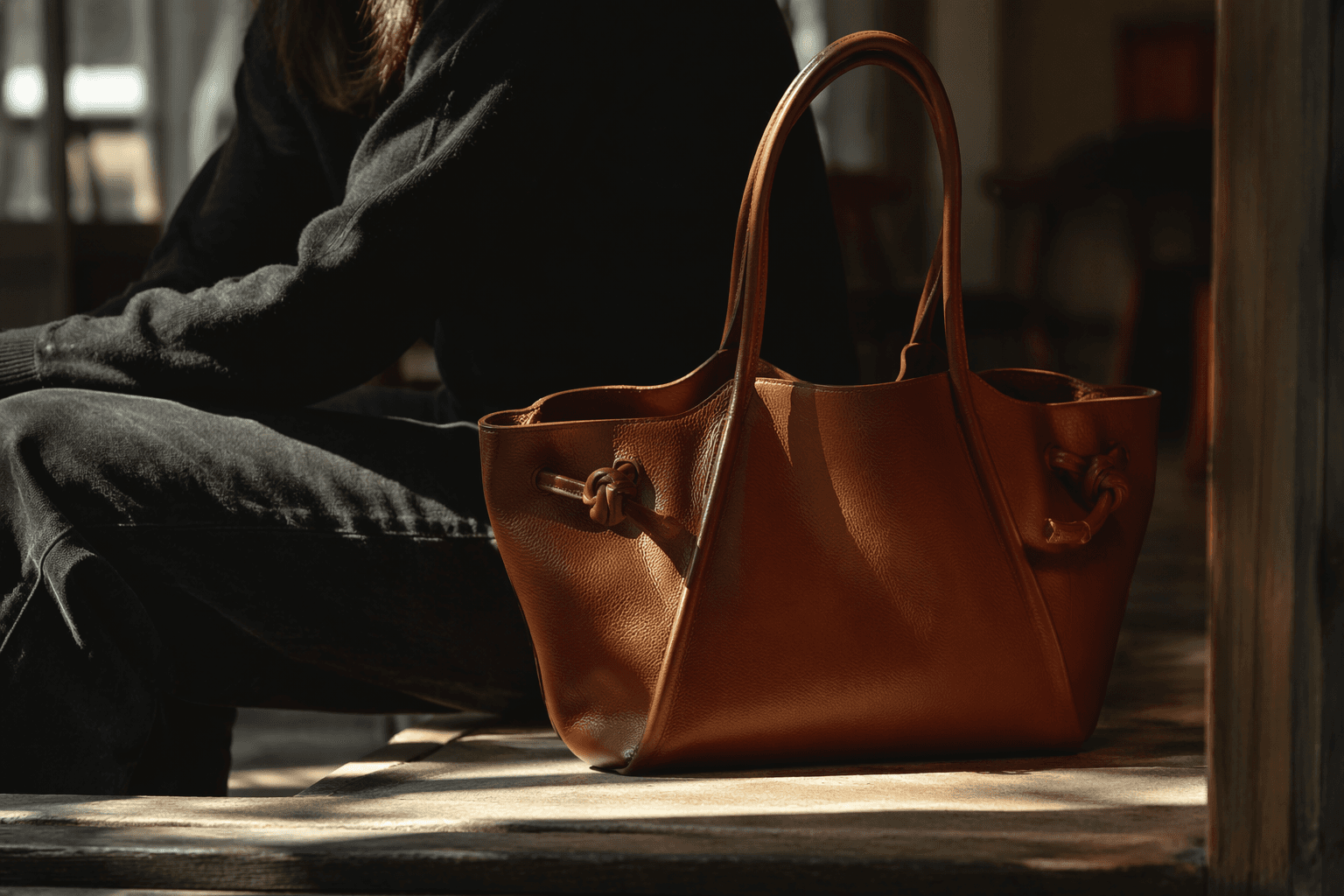
Parker Thatch made its name by treating the everyday bag like a signature piece, not an afterthought. Irene Chen and Matthew Grenby built the label around functional luxury, then kept it small, deliberate, and recognizable enough that the bags could do the talking. That formula has pushed the brand from niche to status object, with an eight-figure business, a weekly live-shopping show, and styles that feel as easy with denim as they do with something more polished.
How Parker Thatch found its lane
The brand did not begin with handbags at all. In 2001, Chen and Grenby launched iomoi as a custom e-stationery and home-goods business, personalizing pieces like coasters, table trays, and ice buckets before expanding into tote bags, physical stationery, and homeware. That early version of the company trained the founders to think in terms of personalization and utility, two ideas that still sit under Parker Thatch’s more grown-up surface.
The turn came after the first bag succeeded and Kate Spade pushed the founders toward a sharper focus on functional luxury handbags. They rebranded as Parker Thatch and narrowed the point of view: everyday ease, polished design, and products made to be kept rather than cycled out. Today the company describes itself as a small, female co-founded team making limited production runs with an emphasis on quality and workmanship, which gives the brand a scarcity that feels considered instead of forced.
The hero styles that made the brand recognizable
Every cult label needs a few pieces that become shorthand, and Parker Thatch has built that language through names shoppers remember. The Charlie, Tokyo Shopper, Lucky Evil Eye Charm, and Cross Your Heart Sling give the brand a lineup that is easy to repeat, easy to spot, and easy to recommend. That matters in accessories, where memorability often travels faster than advertising.
The Charlie reads as the sort of bag that can anchor a weekday wardrobe without trying too hard. The Tokyo Shopper speaks to the roomy, carry-everything side of the Parker Thatch customer, while the Cross Your Heart Sling covers the practical, hands-free end of the spectrum. The Lucky Evil Eye Charm adds the kind of small, playful detail that turns a functional purchase into something with personality, which is exactly how a utilitarian bag starts to feel personal.
- Charlie: the recognizable everyday signature.
- Tokyo Shopper: the roomier option for work, errands, and travel.
- Lucky Evil Eye Charm: a small accent that adds personality fast.
- Cross Your Heart Sling: the hands-free style built for movement.
That mix is part of the appeal. Parker Thatch does not ask shoppers to choose between pretty and practical, or between trend and longevity. It gives them bags with names, silhouettes, and use cases that are easy to remember, which is a powerful kind of branding when the product itself is intended to be lived in.
Why the business scaled without going loud
Parker Thatch has grown by leaning into scarcity rather than flooding the market. The company sells at price points that reportedly run from about $78 to $1,150, which puts it in a rare position: accessible enough for some impulse buys, elevated enough for serious luxury shoppers. That range helps explain why the brand attracts multigenerational customers, from women buying a first statement accessory to others adding a more substantial bag to an established wardrobe.
The scale story is just as interesting as the product story. Entrepreneur has described Parker Thatch as an eight-figure revenue business, a notable leap for a label that still talks about limited runs and a small team. Inc says the brand’s weekly shopping show, Parker Thatch TV, can drive sales spikes of as much as 50 percent during streams, which is a reminder that modern handbag culture is as much about entertainment as it is about commerce.
That live-shopping success has also changed the retail experience. Modern Retail reported that the brand remodeled its store to work as both a customer-facing shop and a broadcast studio, a hybrid setup that fits the way luxury now moves online. The in-person shop still matters, but the camera now matters too, especially for a brand whose appeal depends on details, styling, and the feeling of direct access.
What effortless-style shoppers want from an everyday luxury bag
Parker Thatch lands because it understands the current mood around effortless style. The shopper looking for this kind of bag does not want something precious that has to be handled carefully. She wants a piece that can move through the day, hold up to repeat wear, and still look polished against a blazer, a crisp button-down, or relaxed denim.
The brand’s mission, to add ease and elegance to everyday life, speaks directly to that need. A functional luxury bag has to earn its place through shape, organization, and the right amount of polish. Parker Thatch has made that proposition feel less like a compromise and more like a point of view, especially with silhouettes that are recognizable enough to become part of a person’s routine.
The real strength of the label is that it makes practicality look intentional. The Tokyo Shopper satisfies the need for space without turning into a blunt tote, while the Cross Your Heart Sling answers the demand for mobility that has only grown more important in daily dressing. The Charlie and Lucky Evil Eye Charm keep the line from feeling purely utilitarian, which is why the brand can sit comfortably in the conversation about easy dressing without losing its fashion edge.
Parker Thatch has turned small-batch discipline into a style advantage. It looks like a quiet handbag label, but the business underneath is built on clear names, clear heroes, and a clear understanding of what today’s shopper wants: something refined enough to feel special, useful enough to wear constantly, and distinct enough to be recognized at a glance. That is the rarest kind of handbag business: one that feels personal at $78, polished at $1,150, and still recognizable the moment it swings into a room.
This article was produced by Prism’s automated news system from verified source data, official records, and press releases, then run through automated quality and moderation checks before publishing. The system is built and supervised by the people who set the standards it runs under. Read our full AI policy.
Did this article answer your question?