Project 333 turns effortless style into a 33-piece wardrobe formula
Courtney Carver’s 33-piece rule trims the closet to what you actually wear, cutting decision fatigue and overbuying in one clean reset.
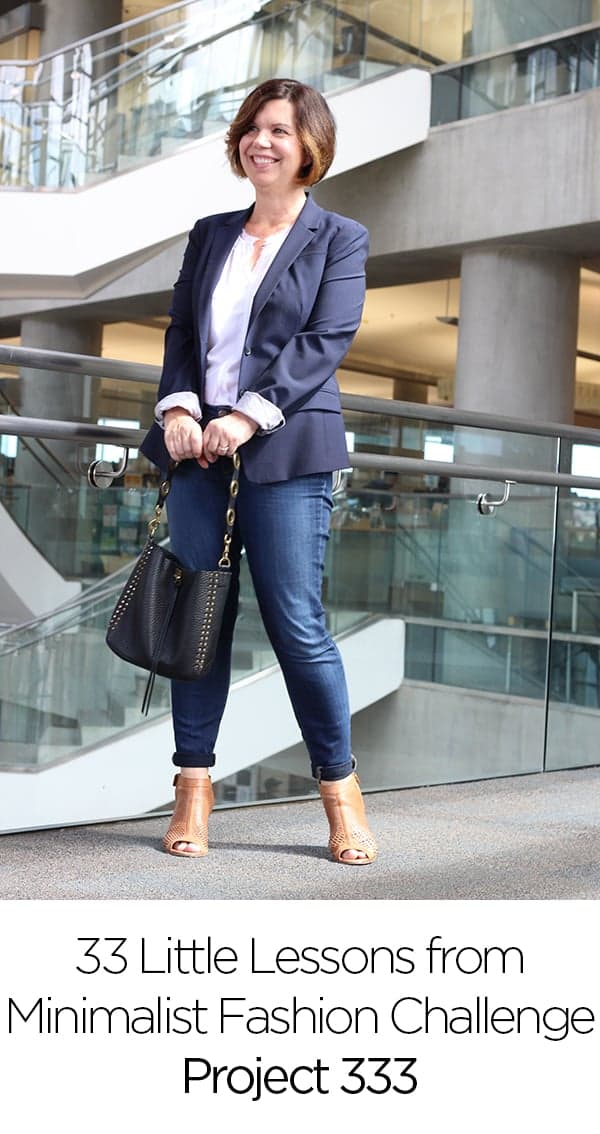
Courtney Carver’s Project 333 asks you to dress with 33 items or fewer for three months, counting clothing, accessories, jewelry, outerwear, and shoes. The rule is simple and unusually hard to wriggle out of. Underwear, sleepwear, in-home loungewear, workout clothes, and one sentimental piece, such as a wedding ring, stay out of the tally, which keeps the challenge practical rather than punitive.
The power of a hard number
That 33-piece cap changes getting dressed from an open-ended shopping problem into a finite wardrobe exercise. When the closet has a limit, every piece has to earn its place, and the morning question stops being “What if I had the right thing?” and becomes “What actually works in my life?” Carver frames the goal not as deprivation, but as a wardrobe you can live, work, and play in.
Trend churn never really stops, and the pressure to keep up can make even a well-edited closet feel chaotic. A fixed formula cuts through that noise.
How the wardrobe gets built
Carver does not ask you to throw your style away and start from scratch. She recommends beginning with an inventory, then building from an “I Love” pile, which shifts the focus toward pieces you already reach for. Signature items such as a trench coat, boots, or sunglasses can anchor the wardrobe, giving the whole closet a visual through-line without requiring endless variety.
The logic is beautifully blunt: one well-made version of something often does more work than several lower-quality duplicates. That is the point where Project 333 moves from minimalism into fashion discipline, because it rewards better edits, cleaner silhouettes, and pieces that pull their weight across multiple outfits. A sharp coat, reliable shoes, and a few strong accessories can make the rest of the wardrobe feel intentional instead of improvised.
You are not chasing a bigger closet. You are learning which pieces consistently carry the look, then letting the rest go.
Why it feels polished, not bare
Project 333 avoids the sterile feeling that can sometimes follow minimalism. The challenge is built around real life, not a fantasy wardrobe that only works on a mood board, and that is where its appeal sharpens. If every item has to live through three months of actual mornings, meetings, errands, travel, and nights out, the closet becomes more honest.
That honesty is what makes the method align so neatly with effortless style. The clothes do not need to be loud when the fit, proportion, and texture are doing the work. A polished coat over a clean knit, sturdy boots under a good trouser, or sunglasses that sharpen everything instantly can feel more stylish than a closet packed with distractions.
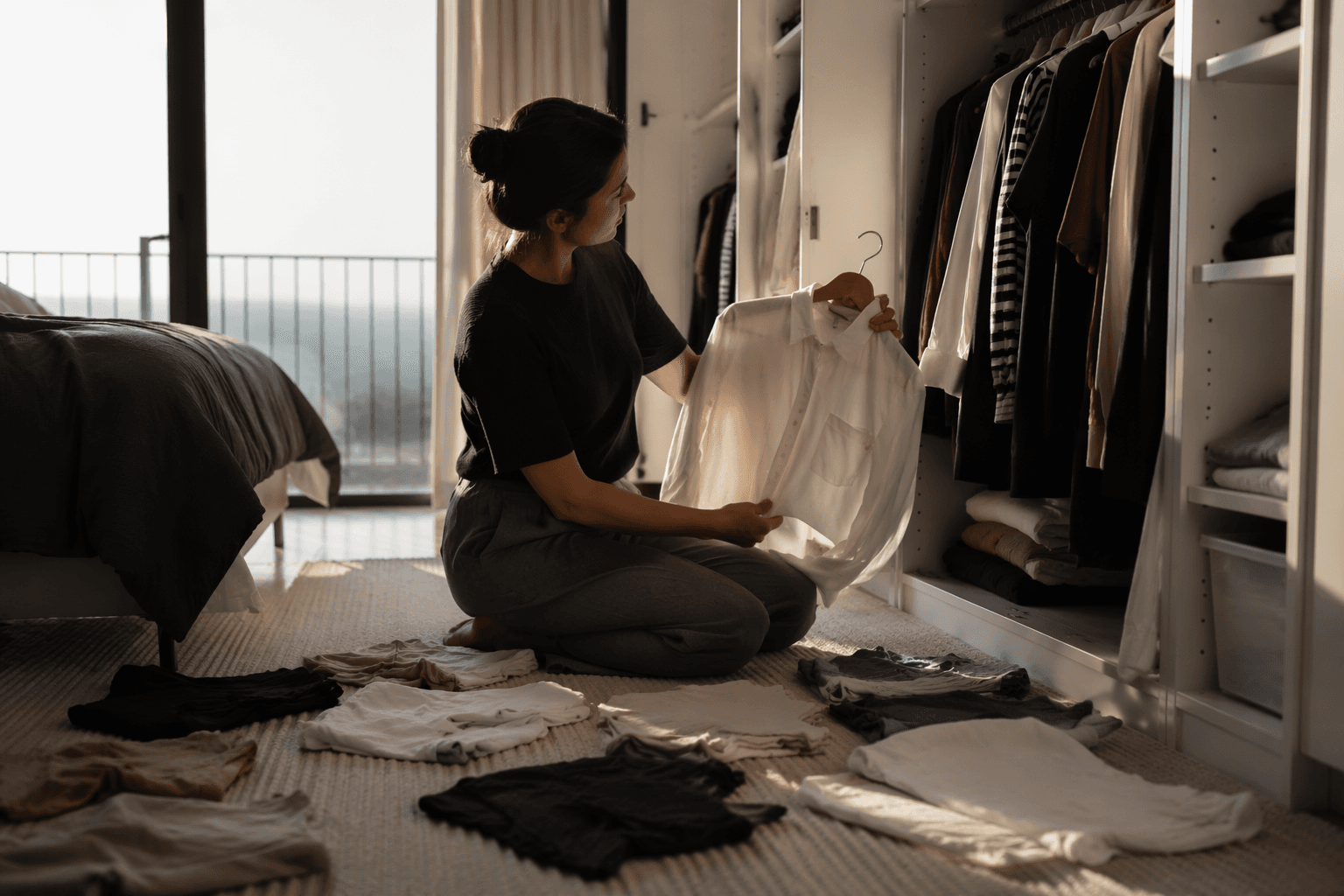
Repeated choices can drain decision quality, a phenomenon Psychology Today describes as decision fatigue, which is why figures such as Barack Obama and Mark Zuckerberg became shorthand for simplifying the daily wardrobe equation. Project 333 applies that idea in fashion terms: fewer choices, less friction, more consistency.
The sustainability case is built in
The challenge also speaks directly to the modern problem of fashion overconsumption. By capping the number of items in play, Project 333 forces a slower relationship with shopping and makes impulse buys easier to resist. That smaller footprint is not a side benefit, it is part of the appeal.
A 2022 study in the journal Area used Project 333 and the Six Items Challenge as case studies for the sustainable potential of minimalist-inspired fashion challenges. An exploratory study on capsule wardrobes found that limited wardrobes can reduce stress and help participants detach from fashion trends.
From a 2010 blog post to a global habit
Carver first wrote about dressing with less and Project 333 in 2010. She says the challenge has since spread around the world and has been featured by the Associated Press, The Today Show website, O, The Oprah Magazine, the BBC, and Good Morning America.
Carver also says hundreds participated in the first season and thousands have taken part since.
The book turned the idea into a durable formula
Project 333 eventually moved from web-based challenge to a more formal publishing lane. Penguin Random House lists Courtney Carver’s book, *Project 333: The Minimalist Fashion Challenge That Proves Less Really Is So Much More*, as a hardcover published on March 3, 2020, with 224 pages.
Carver says she was trying to pare down her expensive shopping habit, the dissatisfaction that followed purchases, and an ever-growing closet.
This article was produced by Prism’s automated news system from verified source data, official records, and press releases, then run through automated quality and moderation checks before publishing. The system is built and supervised by the people who set the standards it runs under. Read our full AI policy.
Did this article answer your question?