Pucci leads the return of effortless, vacation-ready luxury
Pucci is the antidote to stealth wealth right now: bold prints, silk, and one-piece dressing that reads polished instead of precious.
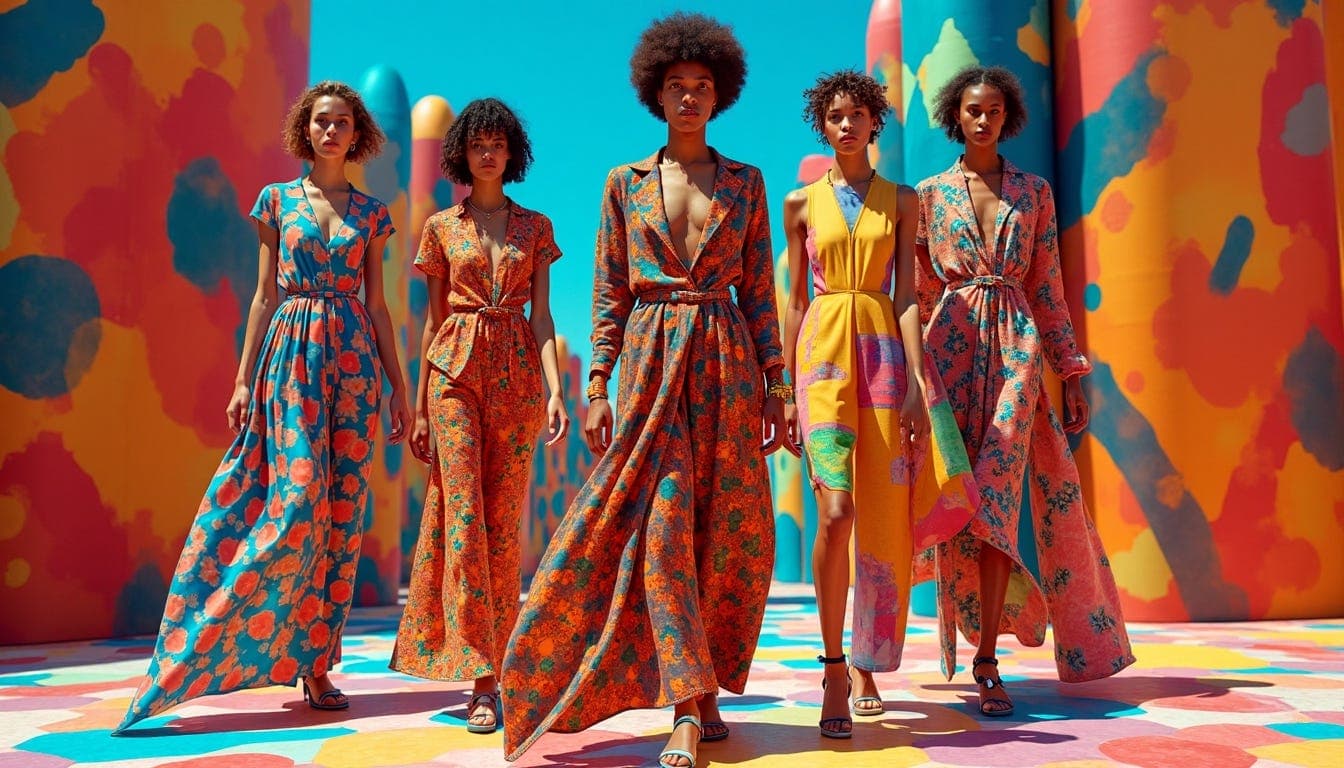
The loudest thing in luxury right now is not a beige trench or a logo-free tote. It is Pucci, snapping back into view with the kind of color and print that makes a pool deck feel like a front row seat. As insiders lean away from quiet luxury’s muted sameness, the house’s sun-struck codes are landing as a very modern flex: easy to wear, impossible to miss, and just disciplined enough to look intentional.
Why Pucci feels right again
Pucci works now because it solves the exact problem so many fashion people are tired of: how to look considered without disappearing into neutral mush. Emilio Pucci founded the brand in 1947, opened the first boutique in Capri in 1950, and built a language around resort wear, geometric prints, and the sense that clothing should travel well and still look sharp when you step off a boat. That original formula is suddenly back in the center of the conversation, and it makes sense. The market is leaning hard on recognizable house codes, archive references, and visually loud branding this summer, and Pucci has more of that DNA than most labels could dream up.
LVMH now places Pucci inside its Fashion and Leather Goods business group and describes the house as making “easy, immediate” pieces tied to “a new idea of elegance.” That is exactly why the brand reads as current instead of costume-y. The pieces do the talking for you, but they do not require full commitment to feel right. You can wear one print and let the rest of the outfit stay clean, or go full silk-drenched if you actually live on holiday time.
The archive energy is doing the work
This is not a random comeback. Recent coverage has tied last year’s “Pucci girl summer” to Hailey Bieber and Dakota Johnson, who both helped push archival and newer pieces from the Italian label back into the fashion bloodstream. Bella Hadid then reinforced the mood when she was photographed in a Pucci one-piece in the South of France, which is exactly where this brand looks most natural: on warm skin, near water, with zero interest in trying to be discreet.
Pucci’s Spring/Summer 2026 show, presented on April 17, 2026 at the Grotta dei Cordari in Ortigia, Sicily, doubled down on that same fantasy. The house’s own framing centered on iconic prints, silk dresses, and Camille Miceli’s vision, which tells you the strategy is not reinvention for reinvention’s sake. It is refinement. Pucci knows its job is to keep the archive alive, keep the colors alive, and make the clothes feel like they belong in motion, not under museum glass.
What makes that especially smart is the way the brand sits between nostalgia and now. The original house language is still there, but Miceli’s direction keeps it from feeling frozen in the 1960s. The result is less retro theme party, more polished summer escape with excellent taste in luggage.
How to wear statement prints without looking overdone
Pucci’s appeal is not that it is loud. It is that it is loud in a controlled way. The prints are bold, but they are built with enough rhythm that they can work like a single statement piece instead of a full sensory attack. The trick is to let the pattern breathe. If the print is doing the most, everything else should sit back and give it space.
A few rules make the whole thing easier:

- Respect the print scale. Big swirls and graphic motifs need room. On a dress or one-piece, keep the silhouette clean so the pattern stays readable instead of becoming visual noise.
- Pair the color, do not fight it. Pucci looks best when you echo one shade from the print elsewhere, or when you anchor it with a simple neutral like white, black, tan, or denim. The goal is contrast, not competition.
- Wear it in a vacation context if you are nervous. Resort wear has always been Pucci’s native language, so the easiest entry point is still the one that makes the most sense: beach, pool, lunch, terrace, sunset drinks. The clothes naturally relax when they are not being overstyled.
- Start with one piece. A printed bikini, one-piece, scarf top, or silk shirt gives you the brand’s energy without demanding a full head-to-toe commitment. That is the best way in if you want the mood, not the full drama.
The one-piece is especially strong as an entry buy because it gives you instant shape and instant attitude. It is the kind of item that can go from water to lunch with a simple swap of sunglasses and sandals, which is why it keeps showing up on people who actually move through a day, not just pose for one.
The return of visible luxury is not subtle, and that is the point
The bigger story here is that fashion people are once again choosing brands that look like something. After a stretch where stealth wealth dominated the conversation, a print house like Pucci feels like a release valve. It gives you color, movement, and a little personality without tipping into costume, because the house has already done the hard work of making exuberance part of its identity.
That is also why Pucci reads so well alongside the broader summer shift toward brands with a point of view. Recognizable codes matter again. Archive matter again. A strong visual signature matters again. Pucci just happens to be one of the rare labels that can deliver all three while still feeling beachy, elegant, and easy to throw on at the last minute.
The brand’s power has always been that it makes dressing look effortless even when the clothes are anything but generic. Right now, that is the exact kind of luxury people want back.
This article was produced by Prism’s automated news system from verified source data, official records, and press releases, then run through automated quality and moderation checks before publishing. The system is built and supervised by the people who set the standards it runs under. Read our full AI policy.
Did this article answer your question?