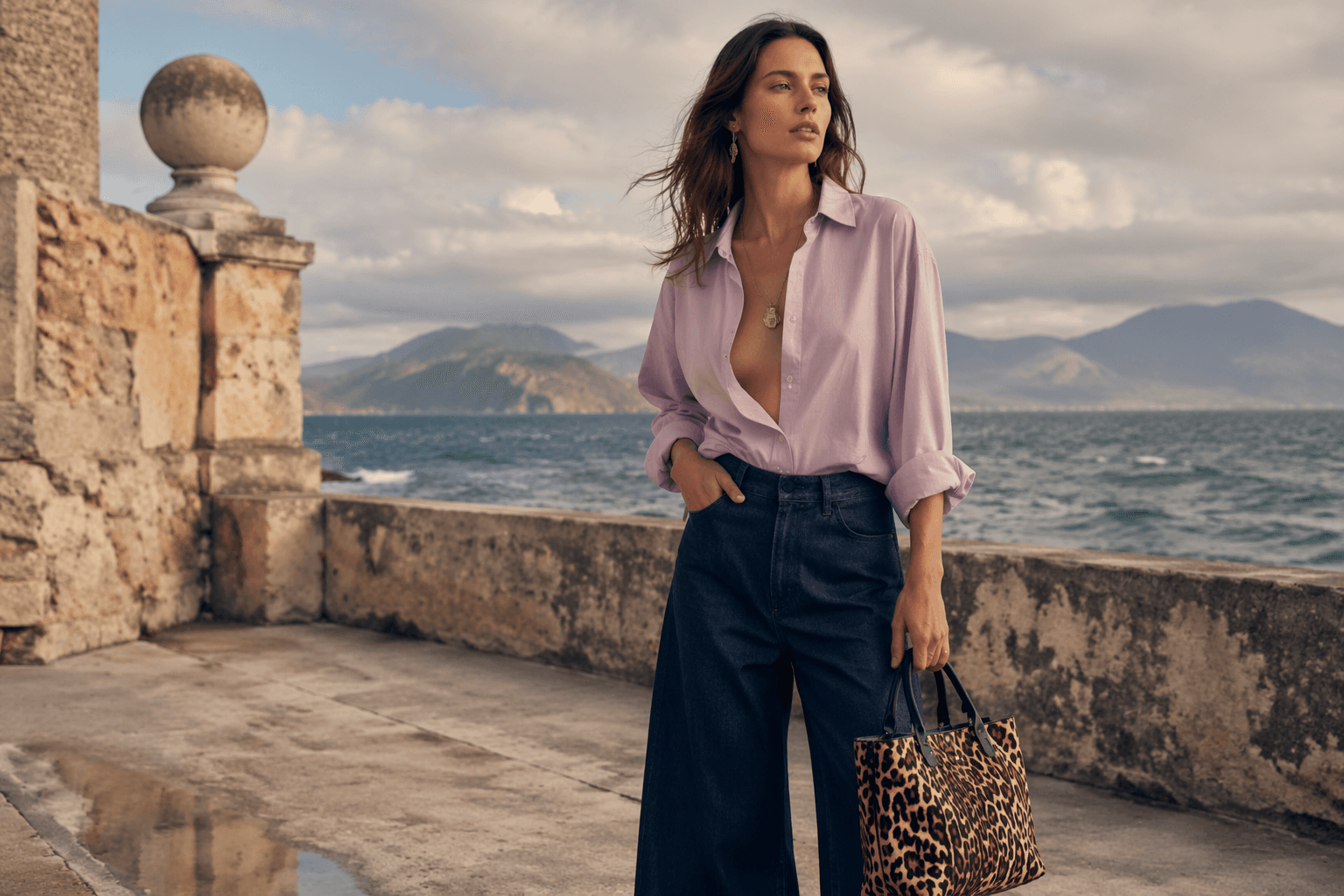
Ralph Lauren Catwalk Archives Five Decades of Timeless Womenswear
Ralph Lauren’s new 632-page archive proves that restraint still has reach, tracing womenswear from the original 1972 debut to Fall 2025 with 1,300-plus runway images.
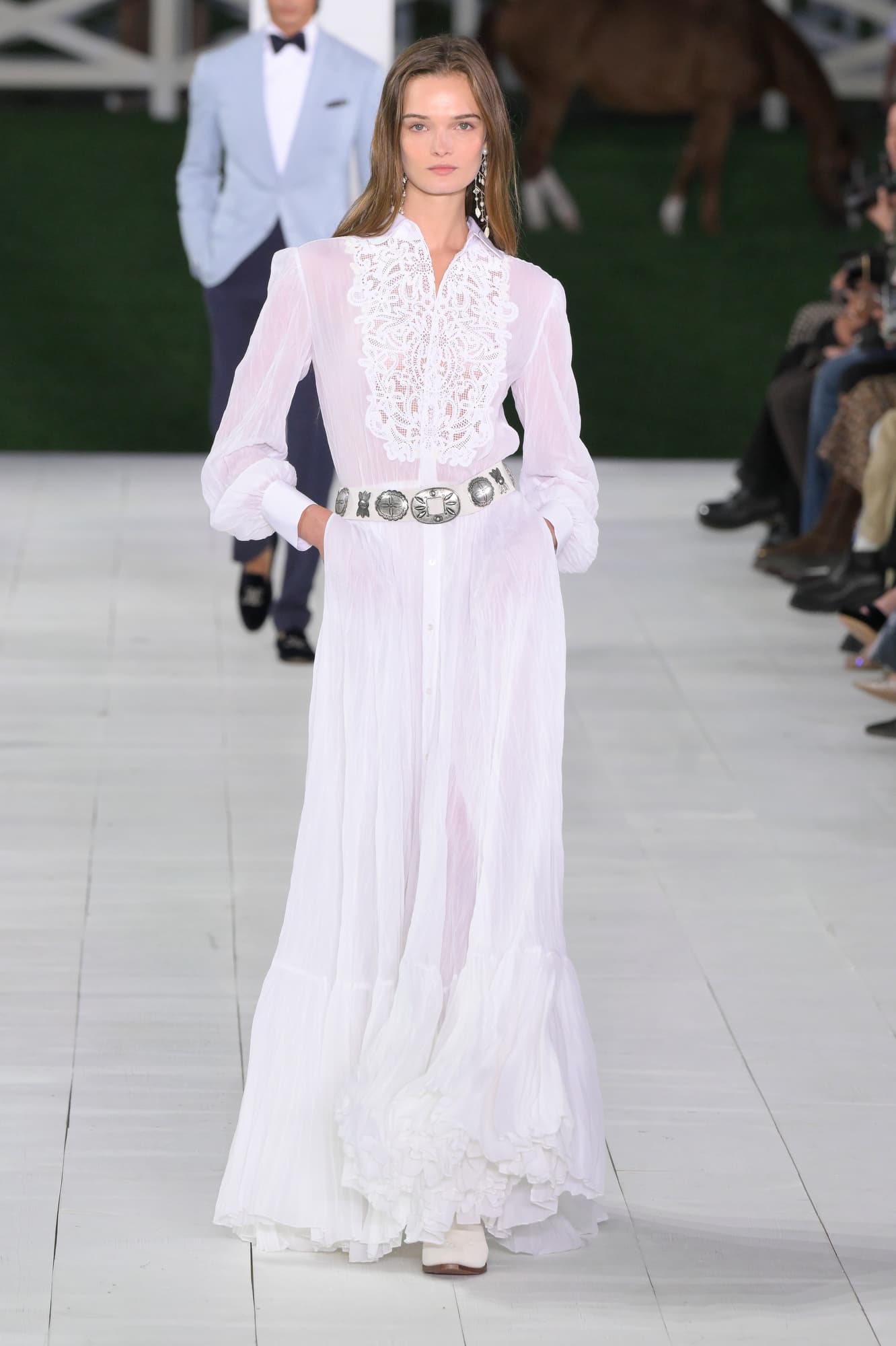
Ralph Lauren has built a house code on discipline: tailored, masculine-feminine clothes that feel polished without ever looking overworked. Ralph Lauren Catwalk turns that language into a 632-page argument, tracing more than five decades of womenswear from the Fall 1972 debut to the Fall 2025 collection and showing why the brand’s stripped-back confidence still carries cultural weight.
The archive as a fashion statement
This is not just a glossy retrospective. Published on May 7, 2026, and written by Bridget Foley, the book is the first American fashion house to join Thames & Hudson’s long-running Catwalk series, a club that has already canonized houses such as Chanel, Dior, and Prada. That matters because the series does not simply document fashion history, it helps decide which names become part of the institutional record.
The scale is part of the point. Several listings describe the volume as containing more than 1,300 original runway photographs and more than 100 collections, which gives the book the density of an archive rather than the lightness of a souvenir. In a market obsessed with the latest drop, Ralph Lauren Catwalk makes a stronger case: longevity is not a marketing slogan here, it is the product.
What the early collections established
The book’s starting point is the brand’s first full women’s collection in Fall 1972, shown in the company’s original workspace to friends, buyers, and fashion editors. That detail is crucial, because it places the women’s line inside Ralph Lauren’s larger American fantasy from the beginning, rather than treating it as an afterthought. The clothes launched with signature tailoring and a mix of menswear and outdoorsy detailing, a formula that immediately separated Lauren from the more fussy excesses of the era.
That first show also explains so much of what still reads as unmistakably Ralph Lauren now. The house did not build its identity around novelty for novelty’s sake. It built one around the tension between structure and ease, where a sharply cut jacket can sit beside a soft shirt, or a tailored silhouette can carry just enough borrowed-from-the-boys ease to feel natural rather than staged.
Why the style language keeps landing
Ralph Lauren’s runway archive says the women’s Collection first debuted in 1972 and exists to showcase artisanal craftsmanship and timeless American luxury. You can feel that in the recurring design codes that make the brand so durable: equestrian polish, neutral palettes, easy tailoring, and controlled romance. Nothing here is loud for the sake of being seen. Instead, the clothes work through proportion, finish, and restraint.
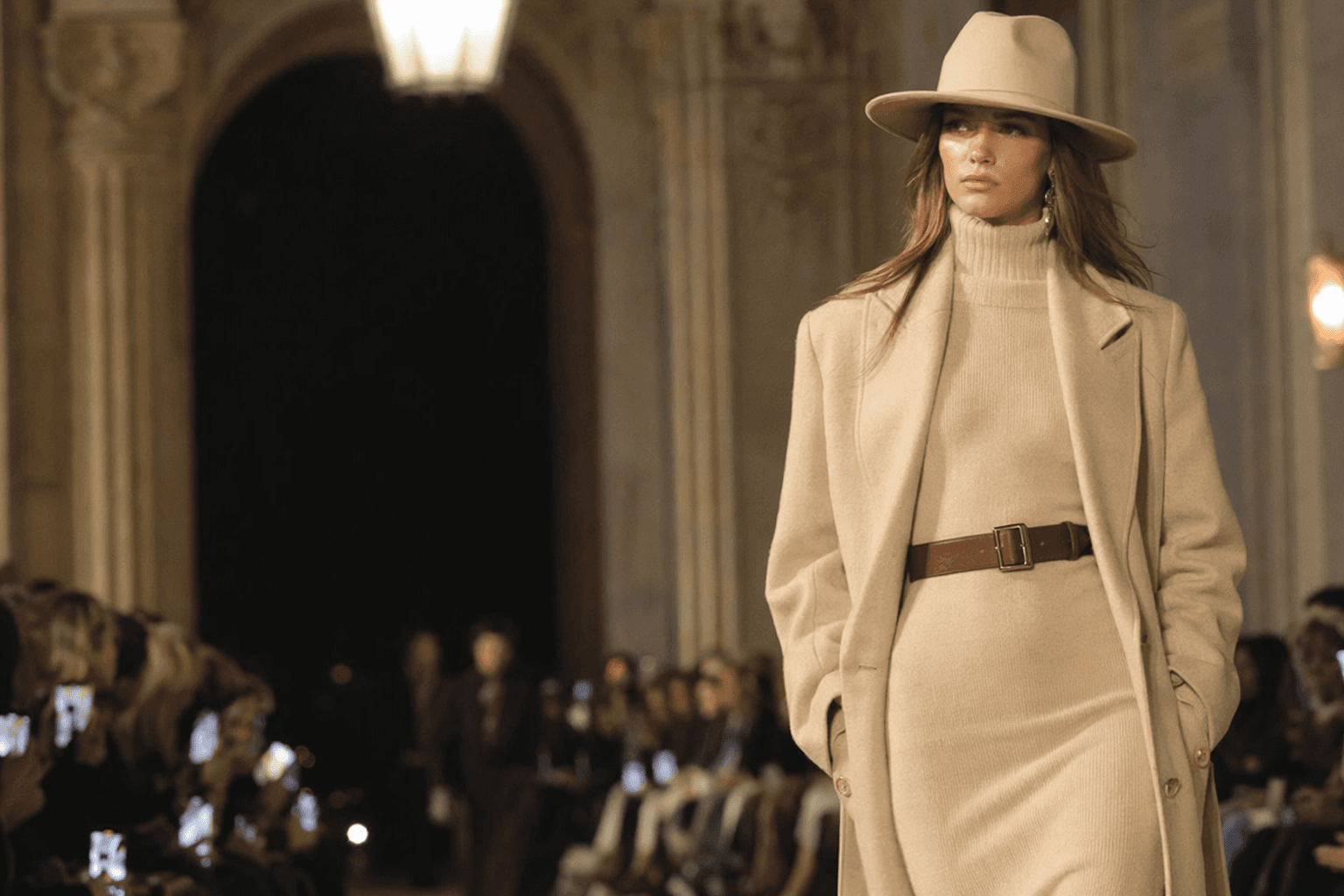
That is what gives the archive its commercial staying power. Neutral shades calm the eye and make the wardrobe feel cumulative rather than seasonal. Easy tailoring keeps the clothes readable in real life, while controlled romance, whether in a softened shoulder, a swept skirt, or a polished layered look, stops the collection from tipping into severity. The result is a wardrobe ideal that feels effortless because every inch of it has been edited.
Why this book matters beyond the coffee table
What makes Ralph Lauren Catwalk more interesting than a standard brand monograph is the way it captures a long-running American style proposition that still sells because it still feels usable. The archive does not chase trend cycles, and that refusal is part of its cultural durability. Lauren’s clothes have always suggested a life that is composed, mobile, and aspirational, but never overdesigned.
That is also why the book resonates in a broader fashion context. Chanel, Dior, and Prada have long enjoyed the kind of archival treatment that signals canon status. By entering that line-up, Ralph Lauren is being framed not just as a successful brand, but as a design language with lasting institutional value. The message is clear: American sportswear, when it is this disciplined, belongs in the same conversation as the great European houses.
The New York launch made the legacy feel current
The New York City launch pushed the book beyond nostalgia. The panel brought together Bridget Foley, Iman, Tyler Mitchell, Jalil Johnson, Erin Walsh, and moderator Samira Nasr, a cast that bridged modeling, image-making, styling, design, and editorial authority. That lineup mattered because it showed Ralph Lauren’s influence not as a frozen legacy, but as a living vocabulary still useful to fashion’s most visible voices.
Iman brings the authority of an icon who understands the power of silhouette. Tyler Mitchell represents the contemporary image culture that has reshaped how luxury is seen. Erin Walsh and Jalil Johnson reflect how styling and design keep translating heritage into now. With Samira Nasr guiding the conversation, the event made a simple point feel sophisticated: heritage only survives when it can still be worn, styled, and recognized in the present tense.
Ralph Lauren Catwalk ultimately reads like a rebuttal to the idea that fashion has to grow louder to stay relevant. The book shows that a consistent code, handled with precision, can still feel fresh across 100-plus collections and more than 1,300 runway images. In the end, the archive confirms what the best Ralph Lauren clothes have always suggested: restraint is not the absence of style, it is the reason it lasts.
This article was produced by Prism’s automated news system from verified source data, official records, and press releases, then run through automated quality and moderation checks before publishing. The system is built and supervised by the people who set the standards it runs under. Read our full AI policy.
Did this article answer your question?