Rebecca Minkoff on Risk, Effortless Style, and the Lessons That Built Her Brand
Rebecca Minkoff says risk, not caution, built her brand — a philosophy now stitched into her effortless new QVC spring collection.
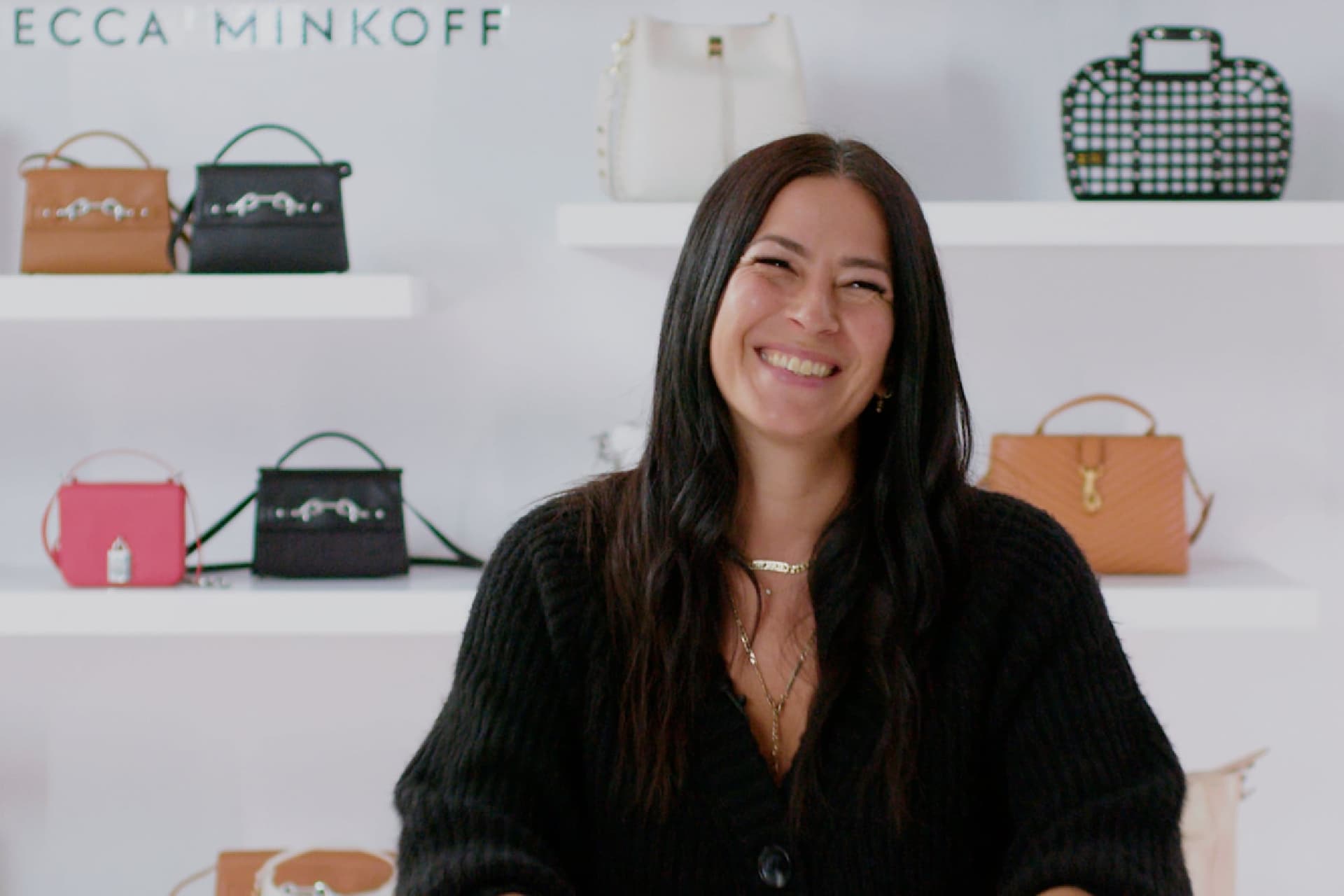
Rebecca Minkoff's career didn't start with a mood board or a front-row seat. It started with spin art and puffy paint sweatshirts at a flea market, sold alongside her mother, with results she described as "very humbling." That origin story, unglamorous as it is, turns out to be the whole point.
"My mom was an entrepreneur in many facets of her life," Minkoff told Good Morning America. "She was selling cast covers at flea markets, and I got so excited by the idea that you could make something and sell it." The sales weren't booming, she joked, but something else was happening: she was learning that making something and putting it out into the world was an act worth repeating, regardless of outcome. That lesson would follow her all the way to New York City, where she arrived with no industry contacts, no safety net, and the kind of conviction that either builds a brand or breaks you.
It built her.
Risk as a business strategy
The central argument of Minkoff's career, the one she returns to in interviews and in her book "Fearless," is that risk and reward are not just correlated, they're causally linked. "In building Rebecca Minkoff, we learned that the more risks we took, the more success we had," she said. "When we played it safe and did what everyone said we should do, that's when we didn't find success."
That's not a platitude. For Minkoff, it's pattern recognition drawn from decades of watching her own brand respond to boldness. Moving to New York City with no contacts was a risk. Building a label from scratch in one of the most competitive fashion markets in the world was a risk. Each time she leaned into the discomfort, she says, something broke open.
The emotional architecture behind that philosophy solidified during a moment that had nothing to do with fashion. In the middle of a celebration dinner in Paris, Minkoff received a message that the bank might foreclose on her company. Most entrepreneurs would describe that as the worst thing that could happen. Minkoff had a different reaction. She realized, sitting at that table, that even if the company collapsed, the bank couldn't take her family. She could start over. She could build something new.
"From that moment on, I felt very free in approaching risk because to me, the worst thing that could happen is losing my family; everything else is figureoutable," she said in an interview for the C-Suite to Main Street series. "That has remained a stable pillar for me to this day."
Reframing the worst-case scenario didn't eliminate fear. It just made fear smaller than the opportunity on the other side of it.
Where values become non-negotiable
Risk-taking, for Minkoff, has always had a counterweight: values alignment. Every business owner makes compromises, she acknowledges, but there are decisions that aren't up for negotiation when a path clashes with your identity.
Her example is specific and telling. When a major retailer wanted to print "nerd alert" on a laptop case from her line, she pushed back. The phrase carried the wrong message, full stop. No deal was worth attaching language to her brand that contradicted what she stood for. That kind of decision, small on the surface, is actually the architecture of a brand's long-term integrity.
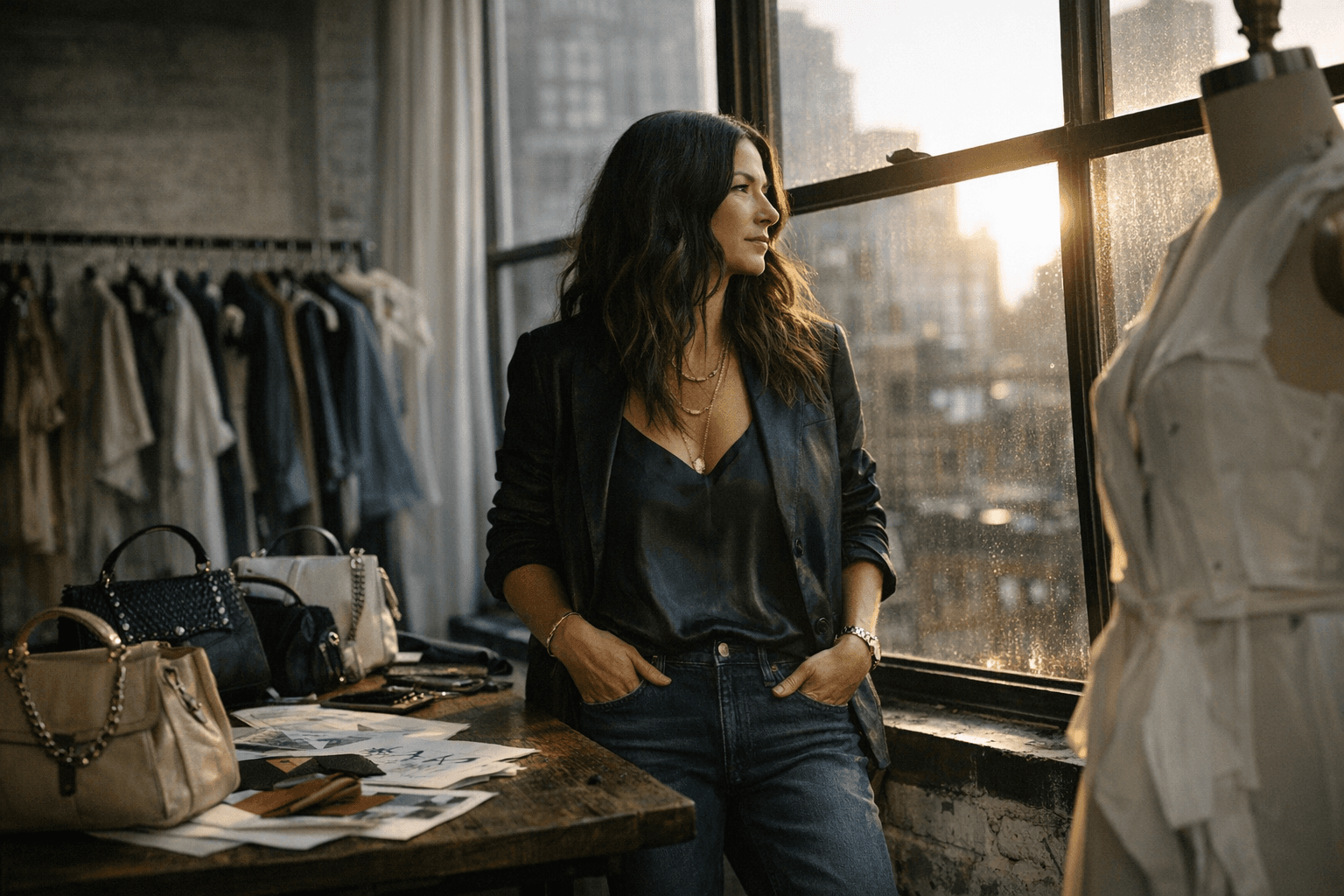
As co-founder of the Female Founder Collective and author of "Fearless," Minkoff has built her public platform around exactly this kind of clarity: knowing the difference between a compromise that costs you nothing essential and one that costs you everything that matters.
The QVC collection and the effortless dressing shift
Most recently, Minkoff designed an exclusive spring collection with QVC, a collaboration she describes as another leap into new territory. The collection is built around what she sees as one of the most significant shifts in fashion right now: effortless dressing. Not casual, not thrown-together, but polished in a way that doesn't announce its own effort.
"You want the woman to shine," she said, explaining the design goal. The clothes should not compete with the person wearing them. They should amplify her without demanding that she spend hours constructing a look before she leaves the house.
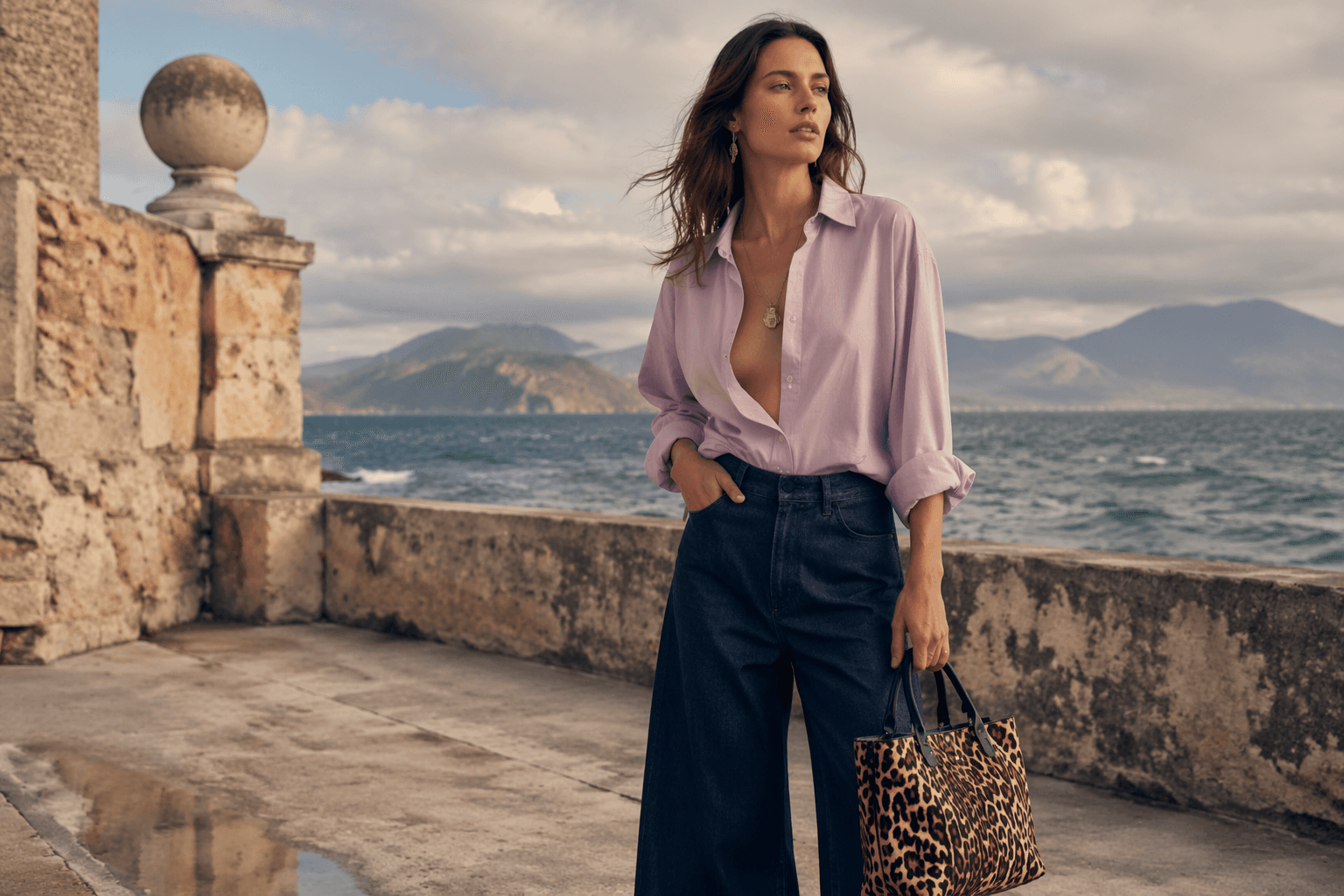
That sounds like a mood, but Minkoff translates it into specific construction choices. The collection features dropped shoulders, which ease the silhouette and remove the stiffness that makes a garment feel like armor rather than clothing. There are slight flares in the denim, a subtle nod to a longer, more relaxed leg line that flatters without trying to make a statement. And then there's the delicate stud detailing, the kind of thing you notice on second glance, the quiet punctuation of an outfit that reads as intentional rather than accidental.
"They're small things that aren't always obvious, but they make the outfit feel stylish without looking like you tried too hard," Minkoff said.
That last phrase is the whole brief in ten words. The goal of effortless style is not actually effortlessness; it's the concealment of effort. The dropped shoulder doesn't just happen. The slight flare is a considered cut. The stud is placed, not scattered. The craft is in making none of that visible.
Personal expression over trend cycles
Minkoff's broader view of where fashion is heading right now reinforces what the collection is doing. She believes modern fashion is less about rigid trends and more about personal expression. That's a shift that's been building for several seasons, but it's becoming the dominant logic: the question is no longer "what is everyone wearing?" but "what does wearing this say about who I am?"
For a designer who built a brand on the idea that risk reveals more about you than safety ever could, this cultural moment feels like a natural landing point. The woman who sold puffy paint sweatshirts at a flea market, who moved to New York City knowing no one, who sat at a Paris dinner table with a foreclosure notice on her phone and chose to keep going, understands instinctively that the most compelling thing a piece of clothing can do is get out of the way and let the person wearing it be seen.
That's the real through-line of the QVC collection, and of the brand behind it: not a trend, not a season, but a consistent conviction that the best design serves the woman, not the other way around.
This article was produced by Prism’s automated news system from verified source data, official records, and press releases, then run through automated quality and moderation checks before publishing. The system is built and supervised by the people who set the standards it runs under. Read our full AI policy.
Did this article answer your question?