Robb Report's Spring 2026 Style Issue Champions Effortless Luxury Dressing
Robb Report's Spring 2026 issue reframes vintage craftsmanship as the new luxury benchmark, while salmon, blush, and Himalayan salt pink swept Brunello Cucinelli, Zegna, Dior, and Louis Vuitton.
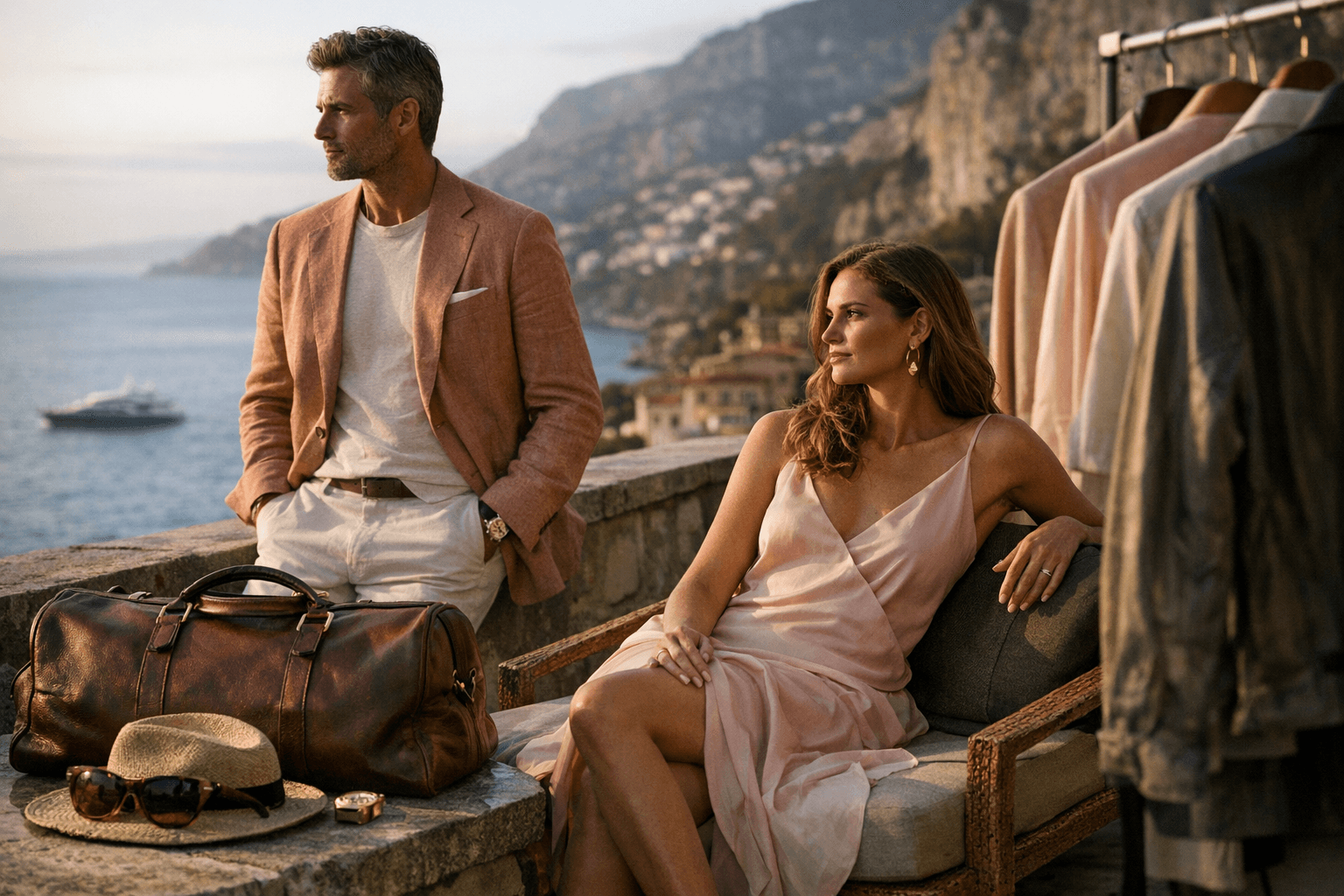
Vintage clothing was once, as Robb Report's Editor's Letter for the Spring 2026 issue puts it, "a fringe pursuit, tucked away at the edges of fashion. It belonged to those willing to hunt for it — the young, the broke, the counter-cultural, the deeply fluent." That framing lands differently now. The issue's editorial thesis is that older garments, valued first for irony and later for construction, have quietly become the clearest illustration of what luxury actually means in 2026: "care, integrity, and finish that has grown harder to find — hallmarks once taken for granted that now feel like luxury."
That argument — comfort-forward, simplified silhouettes, the whole "quiet luxury" framework — shapes the issue's reporting across both fashion and interiors. The connective tissue between the two is explicit: the same eye that recognizes a well-made vintage coat recognizes a well-preserved room.
Which brings the issue's inaugural Grand Tour directly into the conversation. Deputy editor Paige Reddinger visited Jenna Grosfeld of Jenna Blake jewelry at her Tudor Revival in Bel Air, a 1940 estate with a storied Hollywood pedigree. The house is lovingly restored and retains its original character and structure, layered with what the letter describes as Grosfeld's "discerning eye for color, pattern, and history." The interior details are specific and lived-in: antique ceramics line the tables, early 20th-century furniture bears the marks of everyday use, and the wallpaper is hand-embroidered, and occasionally at risk. Nothing, the letter notes, is off-limits. The result is "a jewel-box home that feels at once preserved, personal, and deeply lived-in."
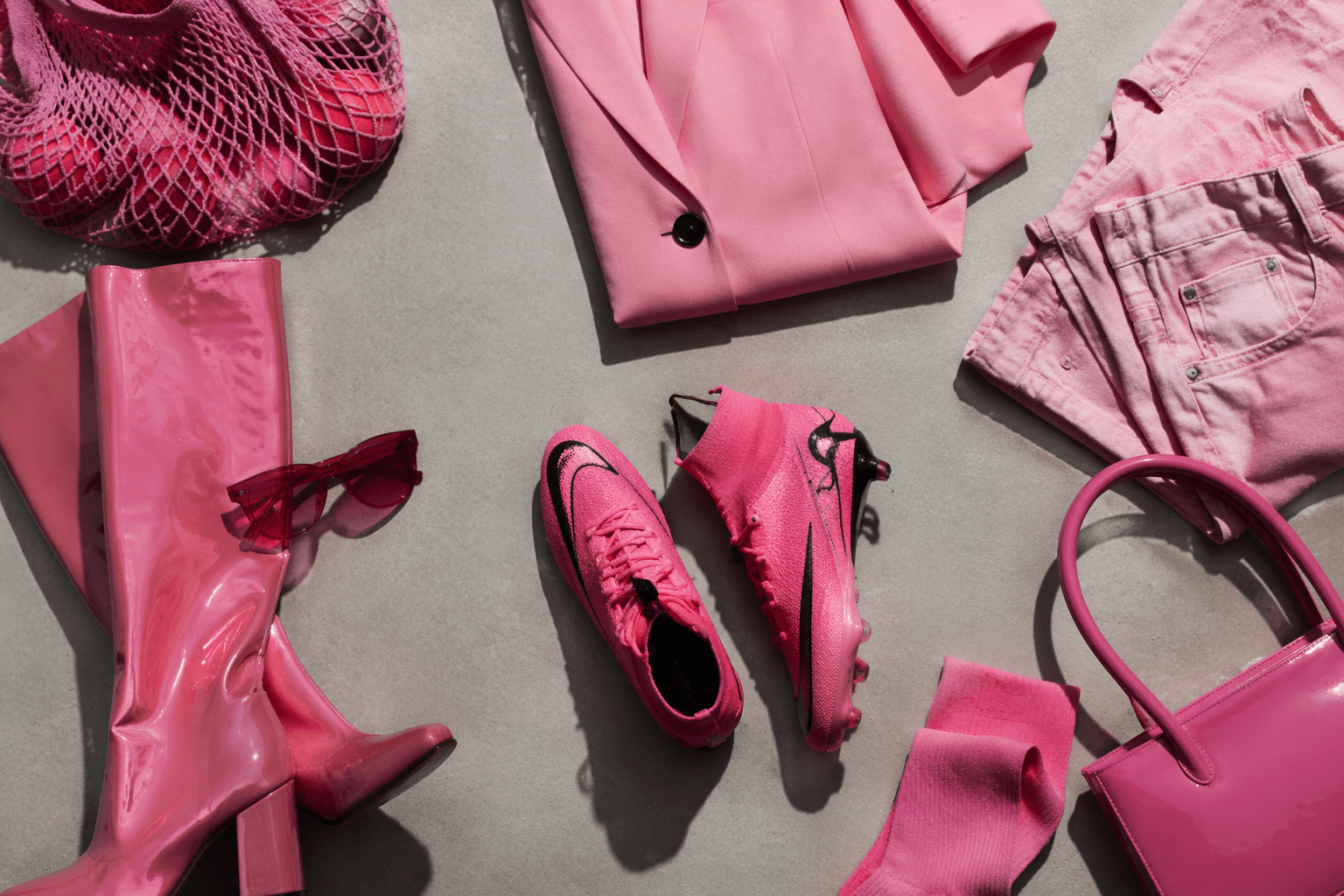
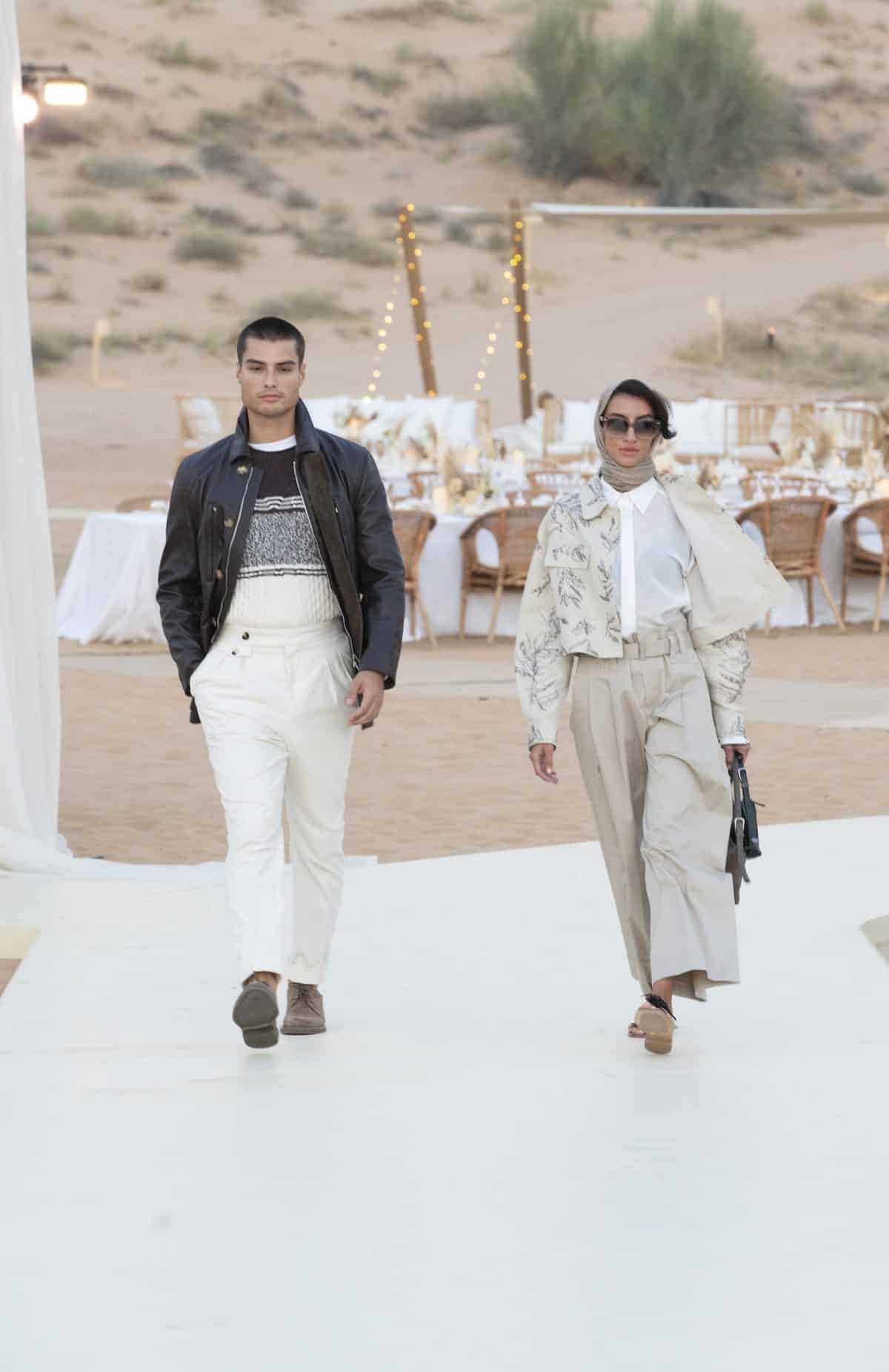
The fashion reportage inside the issue pushes the same sensibility into color. Writer Adam Mansuroglu's "Powerful in Pink" tracks how the hue slipped back into the menswear conversation, worn, as Mansuroglu frames it, "subtly and without fuss." The shades in question — salmon, blush, Himalayan salt — appeared across the spring runways at Brunello Cucinelli, Zegna, Dior, and Louis Vuitton, applied not to statement or novelty pieces but to staples: tailoring, knits, outerwear. Mansuroglu grounds the return in history, noting that pink's presence in menswear runs deeper than most recall, tied to power and status as much as personal expression. The men wearing it on these runways weren't making a declaration; they were comfortable enough to let the color do its work without commentary.
Taken together, the issue builds a coherent case: that the most sophisticated dressing right now looks unhurried, is built on craft, and carries its references lightly.
This article was produced by Prism’s automated news system from verified source data, official records, and press releases, then run through automated quality and moderation checks before publishing. The system is built and supervised by the people who set the standards it runs under. Read our full AI policy.
Did this article answer your question?