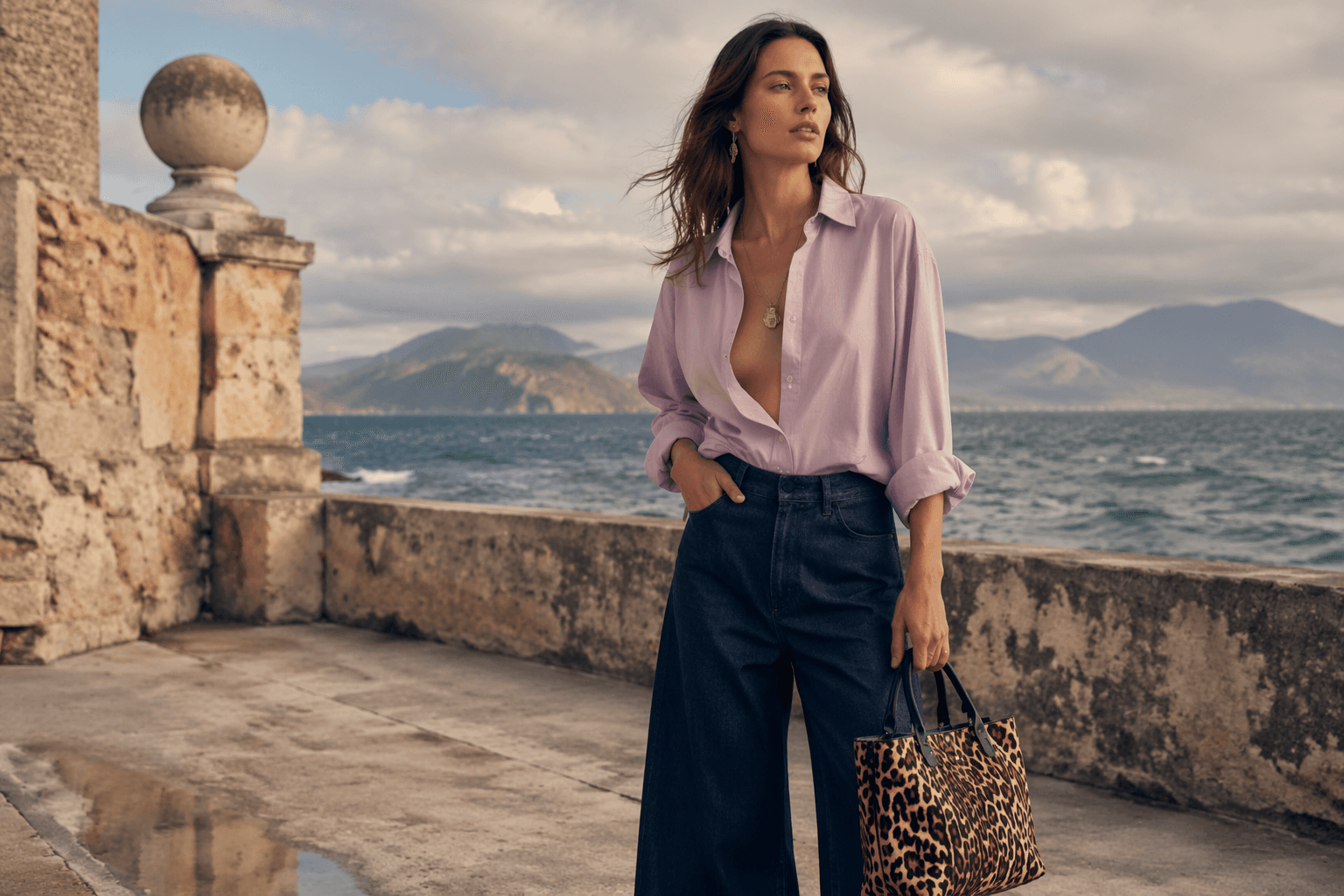
Rowie’s Byron Bay staples make coastal style feel effortless
Rowie turns Byron Bay ease into a polished wardrobe business, using natural fibres, small runs and trans-seasonal staples to stand apart from basic-minimalism.

The appeal is not beachwear, it is polish
Rowie sells a very specific version of Australian ease: clothes that look relaxed, but still feel considered enough to wear beyond the coast. Founded by Rowie Moore in Byron Bay and first sold through market stores as early as 2003, the label has grown from handmade beginnings into a women-led business built on small runs, natural fibres and minimal design. That combination gives it the quiet-luxury-adjacent finish so many brands chase, but with a local origin story that still feels central to the pitch.
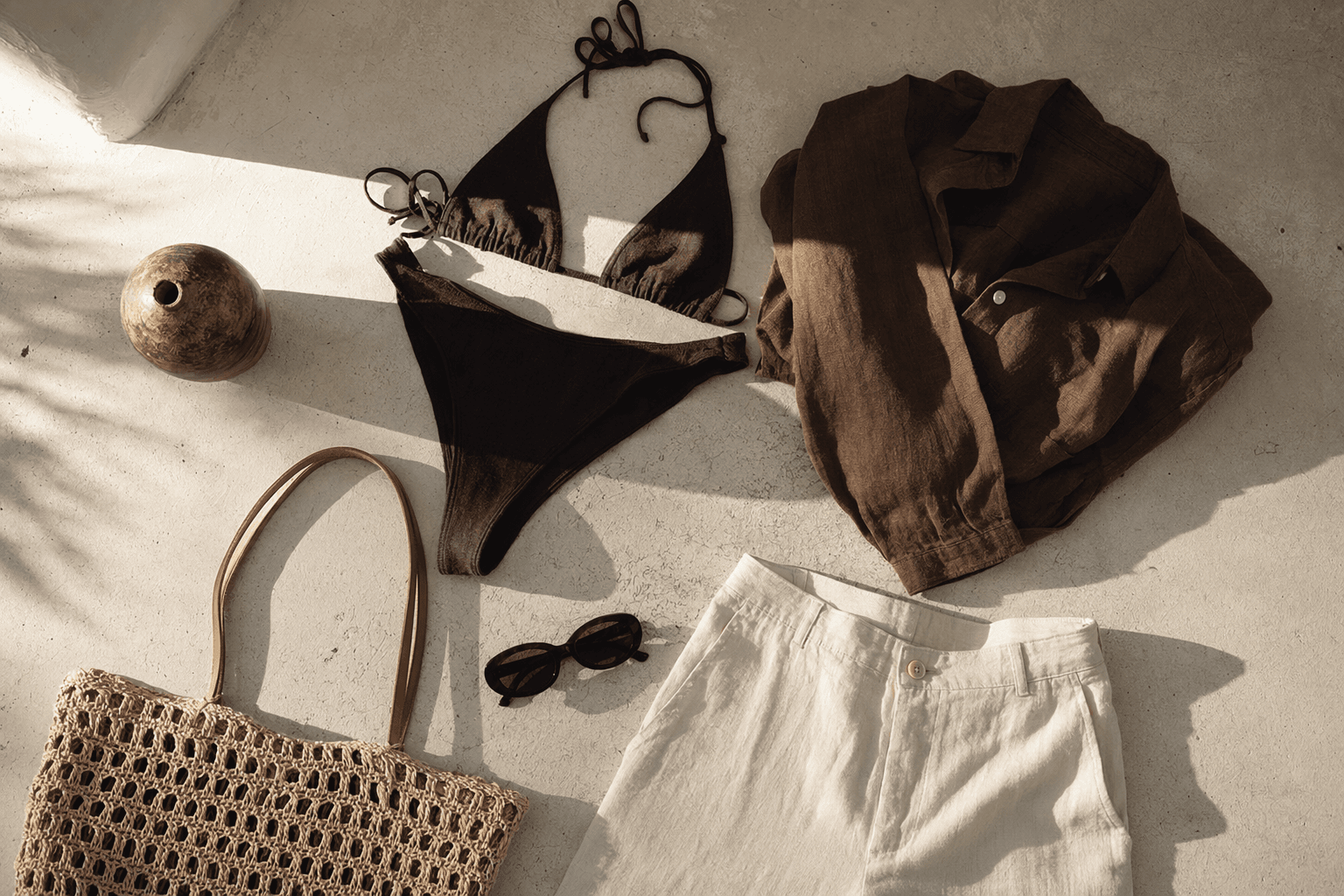
What makes the brand interesting is not simply that it is minimal. The crowded basics market is full of neutral palettes and pared-back cuts, but Rowie leans harder on provenance, fabrication and continuity: clothes designed to move from season to season, made in limited quantities, and anchored in a Byron Bay point of view. In other words, it is selling a wardrobe habit, not a fashion moment.
A founder story that still does the heavy lifting
Rowie Moore’s backstory remains one of the brand’s sharpest assets. Fashion Journal reported in 2019 that she had been designing since she was 14, and a 2022 profile described her as self-taught, with the label growing from local market stalls into an internationally recognized business. That kind of origin story matters because it gives Rowie an authenticity that cannot be manufactured in a seasonal campaign.
The label has kept that narrative intact even as it has matured. ROWIE The Label says it was founded in Byron Bay, where Moore first sold handmade pieces at market stores as early as 2003, and that history still reads through the brand’s tone: unfussy, independent and shaped by place. The result is a business that feels rooted in craft, even as it has expanded far beyond the market-stall stage.
What Rowie is really selling
At the heart of the brand is a simple proposition: wardrobe staples that feel effortless across seasons. ROWIE describes its womenswear as crafted with natural fibres, timeless and minimal designs, and trans-seasonal classics meant to remain wardrobe favorites for years. That language is doing a lot of work, because it signals durability without shouting practicality.
This is where Rowie distinguishes itself from the average minimalist label. The clothes are meant to feel easy, but not anonymous; polished, but not stiff. The appeal lies in a silhouette language that prioritizes clean lines, fluid wearability and low-key refinement, which is exactly why the brand fits readers looking for staples that can move from warm weather into cooler months without a wardrobe overhaul.
- Natural fibres give the clothes a more tactile, breathable finish.
- Trans-seasonal styling keeps the pieces in rotation beyond one weather window.
- Minimal design sharpens the look, so the clothes read as polished rather than basic.
That mix is more commercially smart than it first appears. In a market saturated with stripped-back essentials, the brands that endure are the ones that offer a clear point of view, and Rowie’s point of view is coastal, restrained and deliberately wearable.
Why the Byron Bay connection still matters
Byron Bay is not just a romantic detail in Rowie’s story; it is part of the brand architecture. The label says its collections are designed in-house at its Byron Bay head office, and that geography helps frame the clothes as part of a broader Australian lifestyle aesthetic, one that values sunlight, movement and understated ease. In brand terms, Byron Bay functions as shorthand for natural materials, local authenticity and a slightly looser idea of luxury.
That said, the stronger argument is not just place, but how place is translated into product. Rowie’s appeal is not that it is coastal in a literal sense, but that it takes coastal looseness and edits it into a year-round wardrobe formula. The brand turns the mood of Byron Bay into something more durable: staples that can stay in the closet long after the holiday feeling has faded.
The making process supports the premium feel
Part of Rowie’s positioning comes from how it says the clothes are made. The brand says it works with family-owned factories and makers in Indonesia and China, while keeping design in-house in Byron Bay. That structure matters because it reinforces the sense that the label is not just selling a look, but a controlled, considered product story.
The materials and manufacturing narrative also help justify the premium tone. Small runs and natural fibres are not unusual in contemporary fashion, but when they are paired with a coherent aesthetic and a founder-led origin story, they become part of the value proposition. Rowie’s strength is that it makes those ingredients feel consistent rather than trendy, which is what gives the brand its polished, quietly elevated edge.
Sustainability is presented as a process, not a slogan
ROWIE frames its sustainability messaging as an ongoing ethical journey, saying it is exploring new fabrics, packaging materials and other sustainable practices. That is a more measured posture than the louder claims many labels make, and it fits the brand’s overall tone: thoughtful, restrained and incremental rather than performative. It also suggests a company that understands how closely modern consumers read the space between image and practice.
For a brand built on natural fibres and artisanal production, the sustainability conversation is not an optional extra. It is part of the same premium language, because shoppers drawn to this kind of label usually want the clothes to feel as responsible as they do refined. Rowie’s advantage is that its messaging sounds aligned with its product story, even when the language stays deliberately cautious.
The retail footprint keeps the story grounded
The brand’s physical presence reinforces that sense of place. ROWIE lists a Byron Bay flagship boutique at Shop 1, 1 Marvell Street, Byron Bay, and brand coverage also notes a Bangalow store among its locations. That matters because it shows the label is not relying only on digital branding to sell the fantasy of Australian ease; it has a real-world footprint in the region that shaped it.
That retail expansion also marks the shift from handmade market pieces to a broader business with an international customer base. The move from local stalls to brick-and-mortar stores and wider recognition is exactly what gives Rowie its commercial intrigue: it has managed to scale without abandoning the market-born, founder-led identity that made it compelling in the first place.
Rowie’s strongest selling point is that it knows what it is and does not try to be more. In a crowded minimalist-basics market, that confidence is the real luxury: coastal style with enough discipline to feel current, and enough continuity to stay in the wardrobe.
This article was produced by Prism’s automated news system from verified source data, official records, and press releases, then run through automated quality and moderation checks before publishing. The system is built and supervised by the people who set the standards it runs under. Read our full AI policy.
Did this article answer your question?