Scandinavian Minimalism: Build an Effortless Capsule Wardrobe With Tonal Layers
Master Scandi by building a small wardrobe of quality anchors, then layer tonal textures, wool, silk, denim, for an effortless, functional look that actually feels curated.
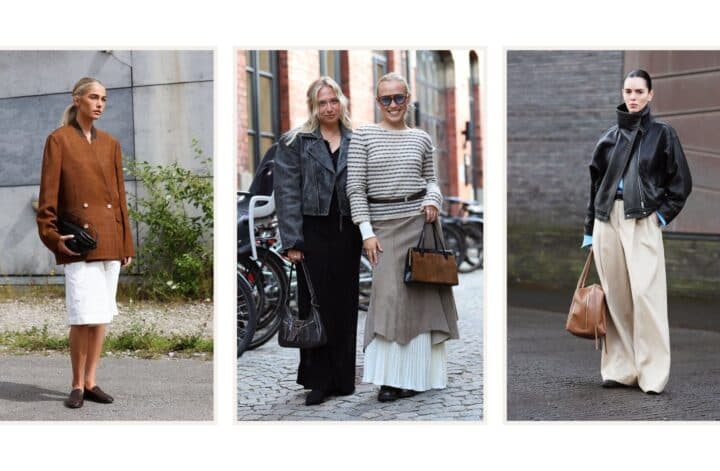
Start with the rule that Scandinavian minimalism isn’t lazy; it’s disciplined. As one source puts it, “This guide explains why Scandinavian (Scandi) aesthetic continues to be associated with effortless dressing, focusing on simplicity, function-forward pieces, tonal layering, and a subdued color palette.” Treat each piece as an anchor: proportion, fabric and repeatability matter more than trends.
1. Coat: the outerwear anchor
A Scandi capsule needs a coat that “holds its line.” Make it a long black wool coat in a classic cut for polished days, and keep an overcoat in nylon on standby for unpredictable weather. The wardrobe advice explicitly names those two options, wool for shape and polish, nylon for practicality, so you can rotate by commute and temperature without breaking the aesthetic. Oversized blazers double as outerwear when you want the minimal look with a sharper silhouette.
2. Knitwear: weight, texture, and tonal depth
Knitwear is non-negotiable: think chunky knits in muted colors and soft cashmere in black for refined layering. Sources call out “knitwear with weight,” which means heavy gauge or dense cashmere that drapes and creates depth when layered. A chunky knit over a silk slip or dress transforms a feminine piece into a Scandi staple while keeping the palette restrained and the texture interesting.
3. Shirts: crisp, slightly oversized, essential
Your shirt game lives between crisp and relaxed, “shirts that look crisp without being fussy” and “slightly oversized pattern” silhouettes are both part of the playbook. An oversized blue shirt paired with a nude maxi skirt is literally the textbook Scandi move used by Mathilde Goehler in the examples provided. Keep collars minimal and seams neat; the attention to tailor-made seams and fabric choice is what makes simple shirts feel expensive.
4. Trousers and denim: clean lines or relaxed baggy shapes
Trousers should “sit cleanly and do not fight the body.” That means mid-weight wool trousers with a clean fall or structured straight jeans that preserve proportion. Baggy jeans are also in the Scandi lexicon, Mathilde Goehler pairs baggy jeans with Adidas Samba sneakers and an oversized jacket to calibrate casual with polish. The goal: silhouettes that read effortless but intentional.
5. Dresses and skirts: movement with structure
Choose dresses that “move with you and still keep their shape.” Silk and silk-satin slips are perfect layering pieces, while wool maxi skirts bring structure and seasonality, Anouk Yve’s outfit pairs a wool maxi skirt with a safari-style linen shirt for that exact balance. Use these pieces as canvases: they’re comfortable, camera-friendly, and built to last beyond a season.
6. Footwear: comfort that reads chic
Copenhagen’s cycling culture informs footwear choices, “comfy shoes that still look chic are essential.” That translates to clean leather sneakers (Adidas Samba gets name-checked), classic ballet flats (Chanel ballet flats are cited as a comeback), and sturdy boots for cold weather. Prioritize leather, good sole construction, and simple silhouettes so your shoes support both style and mobility.
7. Accessories and jewellery: quiet focal points
Accessories are subtle and deliberate: “delicate gold jewelry, sleek leather bags, and classic timepieces” are the finishing notes. Lenacohen even specifies minimalist fine jewellery, solid gold rings, natural diamond minimalist rings, and everyday ring stacks, to keep the look calm yet meaningful. Designer bags (a taupe Hermes Birkin appears in an example) are used sparingly as statements rather than loud logos.

- Try pairing a chunky knit sweater over a silk dress.
- Layer a long-sleeved top under a slip dress.
- Put a bomber jacket under a trench coat.
- Layer a long coat over a crew neck tee and jeans.
8. Tonal layering and texture mixing: the heart of Scandi depth
Tonal layering is how a neutral wardrobe reads dynamic, mix knit, silk, wool, denim, leather, linen, and nylon to create depth without color chaos. Try these proven recipes pulled from the sources:
Each combo serves both weather and aesthetics: textures give contrast while the tonal palette keeps it cohesive.
9. Colour palette: a tight range with controlled accents
Keep color tight, black, white, cream, grey, soft brown, and muted navy are the Scandi staples. Occasional controlled accents are allowed; Lenacohen warns the accent “never takes over the outfit.” Stockholm tends to skew neutral and polished, while Copenhagen permits pops, Larissa Gardner describes the Copenhagen look as pairing “timeless, well-cut pieces with bold colours, playful prints and standout accessories” for a more individual spin.
10. High-low mixing: make it personal
Copenhagen’s signature is the “high-low” approach, pair designer pieces with high‑street buys or charity-shop finds to keep looks surprising. Sageandclare’s Tip 4 frames it plainly: “pairing designer pieces with high street buys or charity shop finds, or mixing traditionally formal pieces with casual items” keeps outfits modern and lived-in. Think a silk slip dress with a denim jacket, or a cosy cardigan accessorised with a designer bag, the contrast reads intentional, not cluttered.
11. Street-style lessons: Stockholm vs Copenhagen
“Stockholm Street Style is quintessentially Scandi”, it’s minimal, practical and polished; Copenhagen is more playful with prints and colors. You’ll see branded nods, Acne Studios and the observed “Gani um Acne Studios” line from street footage, or even a Zara bag on a passerby, alongside higher-end references. The point: both cities share quality materials and neat silhouettes, but regional temperaments allow for different doses of personality.
12. Capsule mindset and shopping strategy
Scandi minimalism is “a discipline” built on fewer, better things that “hold their place over time.” Treat the closet like a toolkit: anchor coat, knit, crisp shirt, trouser, dress, shoes, and a restrained accessory set. Mix high and low, favor natural fibers, and buy pieces that coordinate, this is why so many Scandi wardrobes look like effortless uniforms and function for “a normal Tuesday and still feel right a year later.”
Conclusion Scandinavian minimalism isn’t about erasing personality, it’s about curating it through material, proportion and tonal restraint. Follow the anchors, layer textures with intention, and let a single controlled accent do the talking; the result is effortless dressing that’s practical, refined and, importantly, wearable every single day.
Know something we missed? Have a correction or additional information?
Submit a Tip