Shanghai Buyers Embrace Relaxed Tailoring and Everyday Style for Fall 2026
Shanghai buyers are backing softer tailoring and stronger accessories for fall 2026, a clear sign that everyday polish is beating rigid, feed-friendly dressing.
The new softness buyers are backing
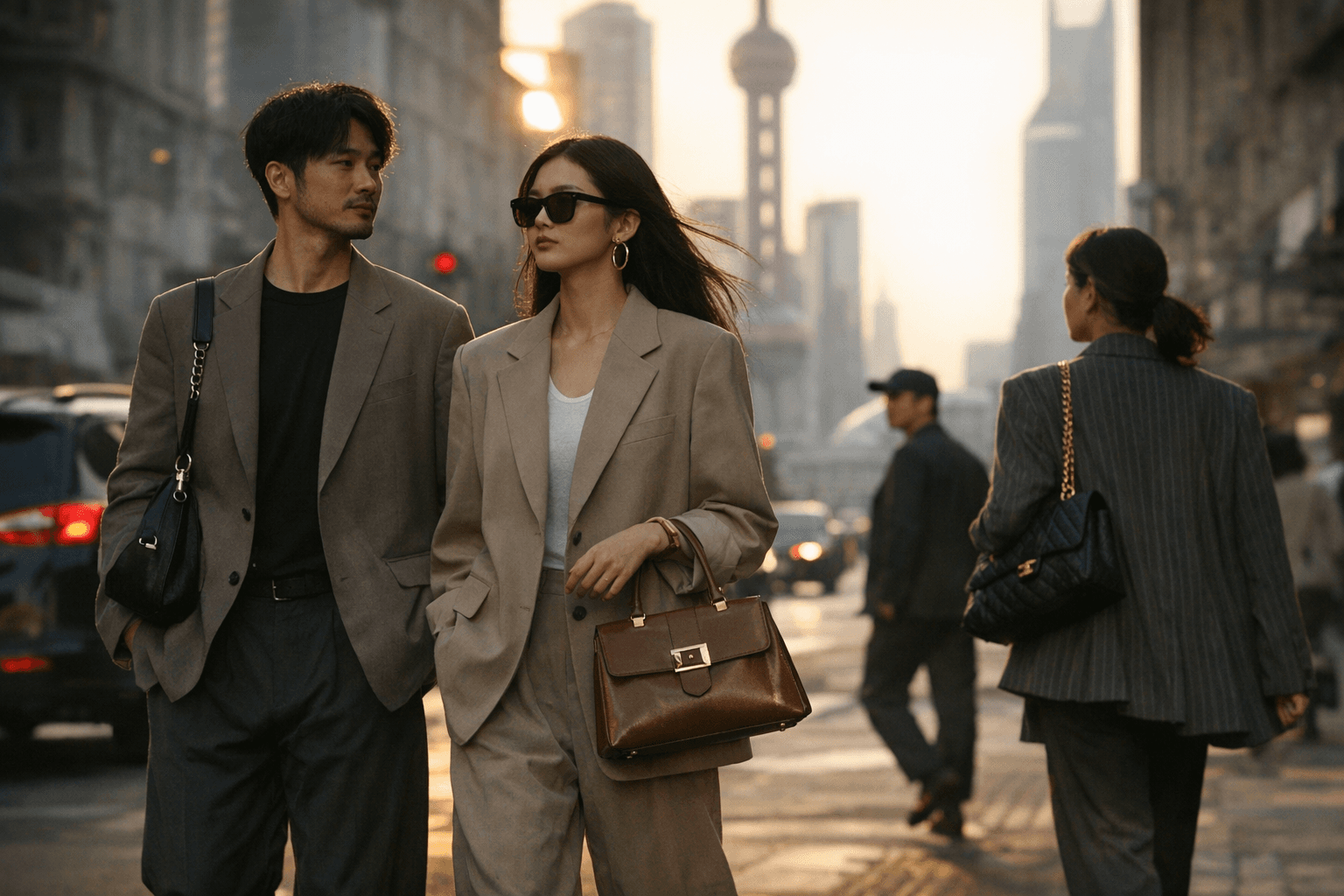
Shanghai buyers are leaning into a cleaner, easier idea of polish: relaxed tailoring, fluid silhouettes and statement accessories that work in real life, not just on a screen. The sharp, overbuilt look that once read as fashion-forward now feels tired beside clothes with movement, ease and a little attitude. That shift matters because it is not just aesthetic; it is a buying signal, and those are the moves that usually tell you where style is going next.
Eric Young of Le Monde De SHC read the season as a loose blend of “Phoebe Philo’s sculptural shoulders, Saint Laurent’s color sensibility, and Vuitton’s sense of theatrical, almost carnivalesque imagination.” That mix says a lot about the current mood in Shanghai: structure is still welcome, but only if it feels human, wearable and a touch sensual. Labelhood buying manager Ding Ni made the point even more directly, saying “structural tailoring that exists only on social media and [is] unable to translate into everyday wear is out.”
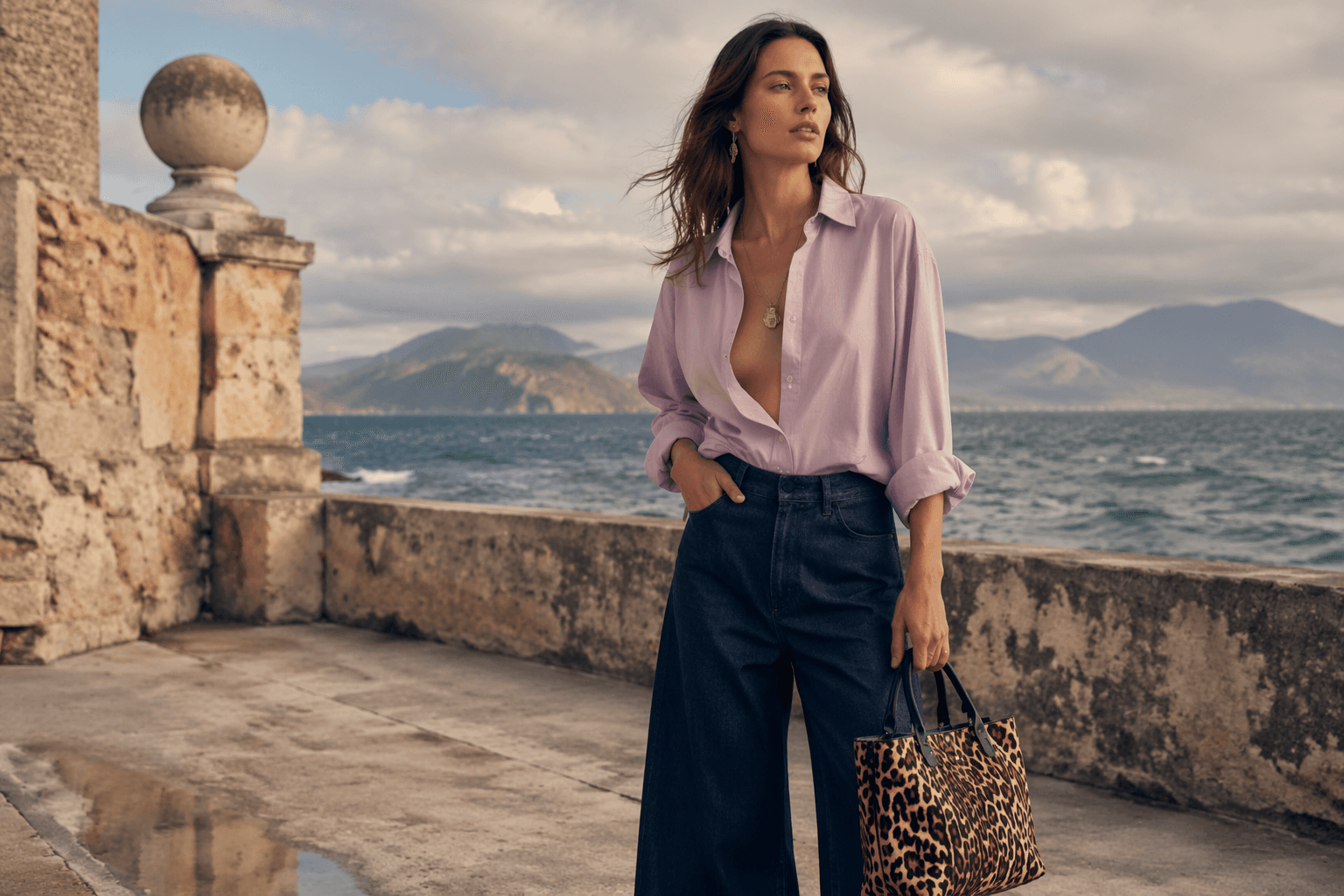
What replaces it is a broader, less rigid femininity. Will Zhang, founder of SND, described that emerging view as a balance of “strength, softness, and restraint,” which is exactly why the clothes making sense now are the ones that skim rather than armor the body. Think jackets with a sculpted shoulder but a softer line through the waist, trousers with room and swing, and accessories that do the heavy lifting instead of logos.
Why Shanghai is the market to watch
Shanghai Fashion Week’s Autumn/Winter 2026 season opened on March 25 and ran citywide through April 12, with the trade calendar spanning 66 brands across venues including Xintiandi, Yongyuan Road and Yandang Road. The citywide spread matters because it gives you a broad read on what buyers are actually selecting, not just what a runway wants to sell. This is where the industry tests appetite, and this season the appetite was clearly for clothes that feel grounded in daily life.
The weather and the economy are both nudging that shift. Buyers are still navigating an uncertain outlook, and fickle conditions are pushing shoes and bags closer to the center of ordering decisions. That makes sense: accessories are easier to wear across changing temperatures, easier to merchandise, and easier to buy into when full looks start to feel like too much commitment.
The other undercurrent is a quiet rejection of loudness. Local designers, buyers said, need to move away from streetwear and noisy logos if they want to stand apart. At the same time, sportswear remains visible, but in a more localized, commercially savvy form, with Nike’s Air Max corner shop and Adidas sneaker launches appearing on Anfu and Changle roads. The message is not that sneakers are fading. It is that they now have to sit inside a more considered, less generic style language.
Phoebe Philo is the clearest shorthand
If you want the easiest reference point for this Shanghai mood, it is Phoebe Philo. WWD reported in July 2025 that she signed five Chinese retail partners for a wholesale push: B1ock in Hangzhou, Dover Street Market in Beijing, Lane Crawford in Shanghai, SND in Chengdu and Shanghai, and Dongliang in Beijing, Shanghai, Aranya and Shenzhen. That rollout began with Collection C, which leaned into easy shapes, oversize proportions and accessories. In other words, the pieces buyers are now circling are already embedded in the market.
Her March 2026 Collection E sharpened the picture further. WWD described it as “E for Effortless,” highlighting soft shearlings and cool leathers, along with drawstring pants, bathrobe-like coats and a deliberately offhand, slouchy quality. That matters because it gives the Shanghai buyer instinct a real commercial language: elegance that does not overwork itself. It is less about preciousness and more about clothes that look considered the moment you put them on.
That is also why the Philo reference keeps surfacing in conversations around Shanghai. Her clothes are edited, tactile and relaxed without drifting into laziness. The shoulders have shape, the fabrics have substance, and the accessories do the styling without shouting. For a market leaning away from rigid, internet-optimized dressing, that balance feels right.
What to buy now, and what to leave behind
The most useful wardrobe move this season is to buy for movement and clarity. A blazer should still define the shoulder, but it should not lock the body in place. A trouser should fall cleanly and move easily. A coat should have presence, but not so much structure that it becomes costume.
What to buy
- Softly tailored jackets with sculpted but not severe shoulders
- Fluid trousers, especially drawstring styles and wider cuts that still read polished
- Shearling and cool leather pieces with a relaxed hand, not a glossy finish
- One strong accessory, preferably a bag or shoe with enough shape to anchor the outfit
- Pieces with a little asymmetry, drape or looseness, so they feel lived-in rather than staged
What to skip
- Overly rigid tailoring that only photographs well
- Loud logo dressing that leans on instant recognition instead of construction
- Heavy winter pieces if they depend on a long sell-through window
- Looks that feel designed for distribution first and wearability second
That last point is especially important in a market where Irene Yu, the general merchandise manager at Joyce Hong Kong, said it is important to increase one-of-a-kind pieces and reduce wide distribution. Scarcity is not just a luxury tactic here; it is a response to a shopper who wants something specific, not something already overexposed. Laura Darmon, buyer and business development at ENG in Shanghai, added another practical note, saying heavier pieces are being approached more cautiously because the winter sell-through window is shrinking.
You can see that thinking reflected in the local names buyers kept favoring too: Oude Waag, Shushu/Tong, Samuel Gui Yang, Garçon by Garçon and Yayi all sit closer to a sharper, more considered point of view than generic streetwear. Add in the growing interest in menswear influence and craftsmanship, and the outline becomes even clearer. Shanghai is not chasing novelty for its own sake. It is rewarding clothes with texture, shape and use value.
The strongest takeaway from Shanghai is simple: modern dressing is becoming less about looking edited and more about looking exacting in everyday life. The market is backing softness with structure, accessories with purpose and clothes that hold up after the showroom lights fade.
This article was produced by Prism’s automated news system from verified source data, official records, and press releases, then run through automated quality and moderation checks before publishing. The system is built and supervised by the people who set the standards it runs under. Read our full AI policy.
Did this article answer your question?