Shanghai Fashion Week Signals Renewed Energy, Polished Wearable Dressing
Shanghai’s strongest shows turned fantasy into something you can actually wear, with polished silhouettes, shoppable mix-and-match pieces, and a cooler kind of femininity.

Wearability became the point
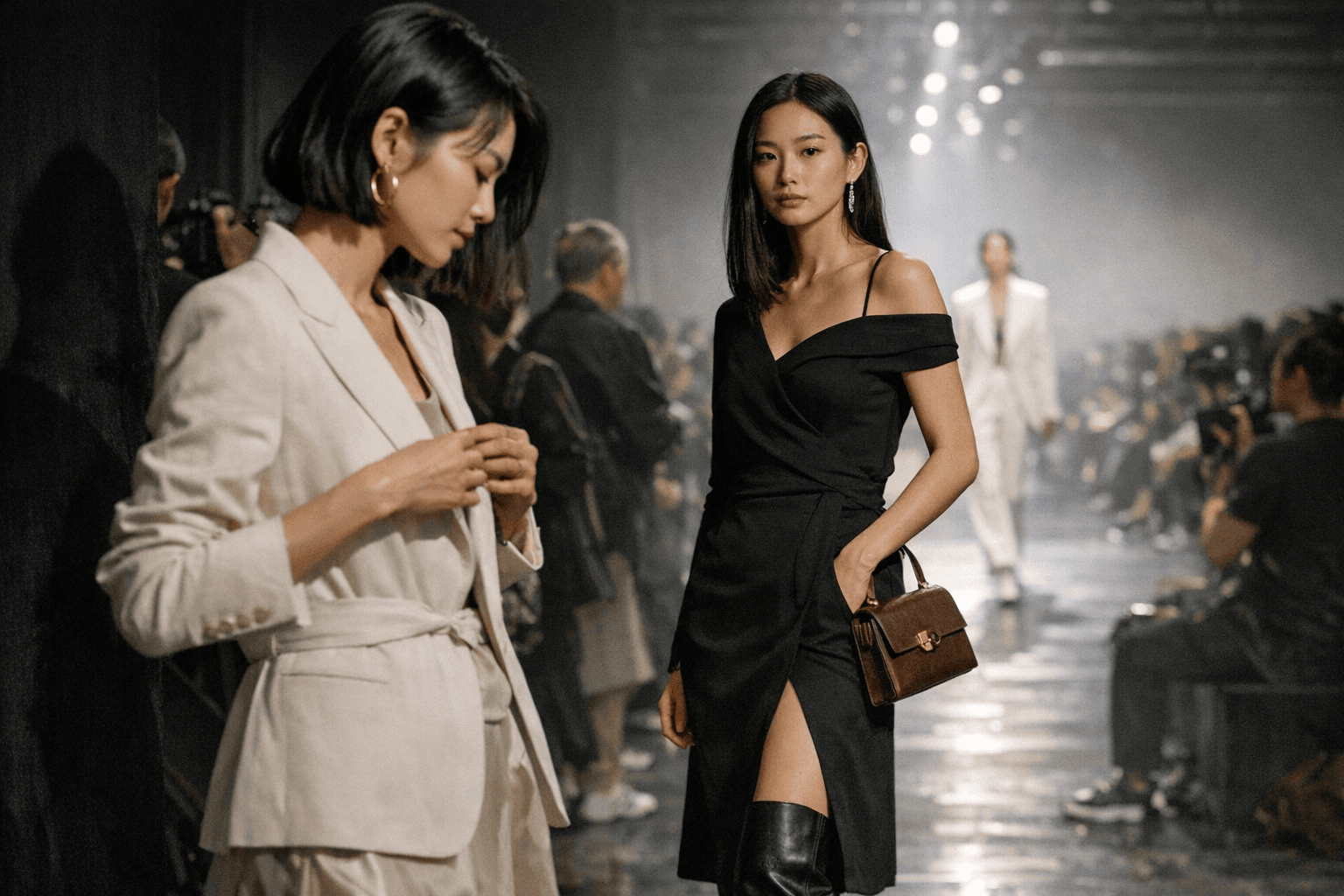
Shanghai Fashion Week’s most persuasive argument this season was not spectacle, but usefulness. Local designers leaned into storytelling and market realism at the fall 2026 edition, and that shift gave the week a different kind of charge: less costume, more confidence, with clothes that still carried an idea. Samuel Gui Yang and other local names helped push the city’s contemporary fashion scene forward as luxury sentiment in China showed early signs of recovery, and that context mattered. The collections felt built for women who want polish without rigidity, clothes that can move from runway to real life without losing the designer’s point of view.
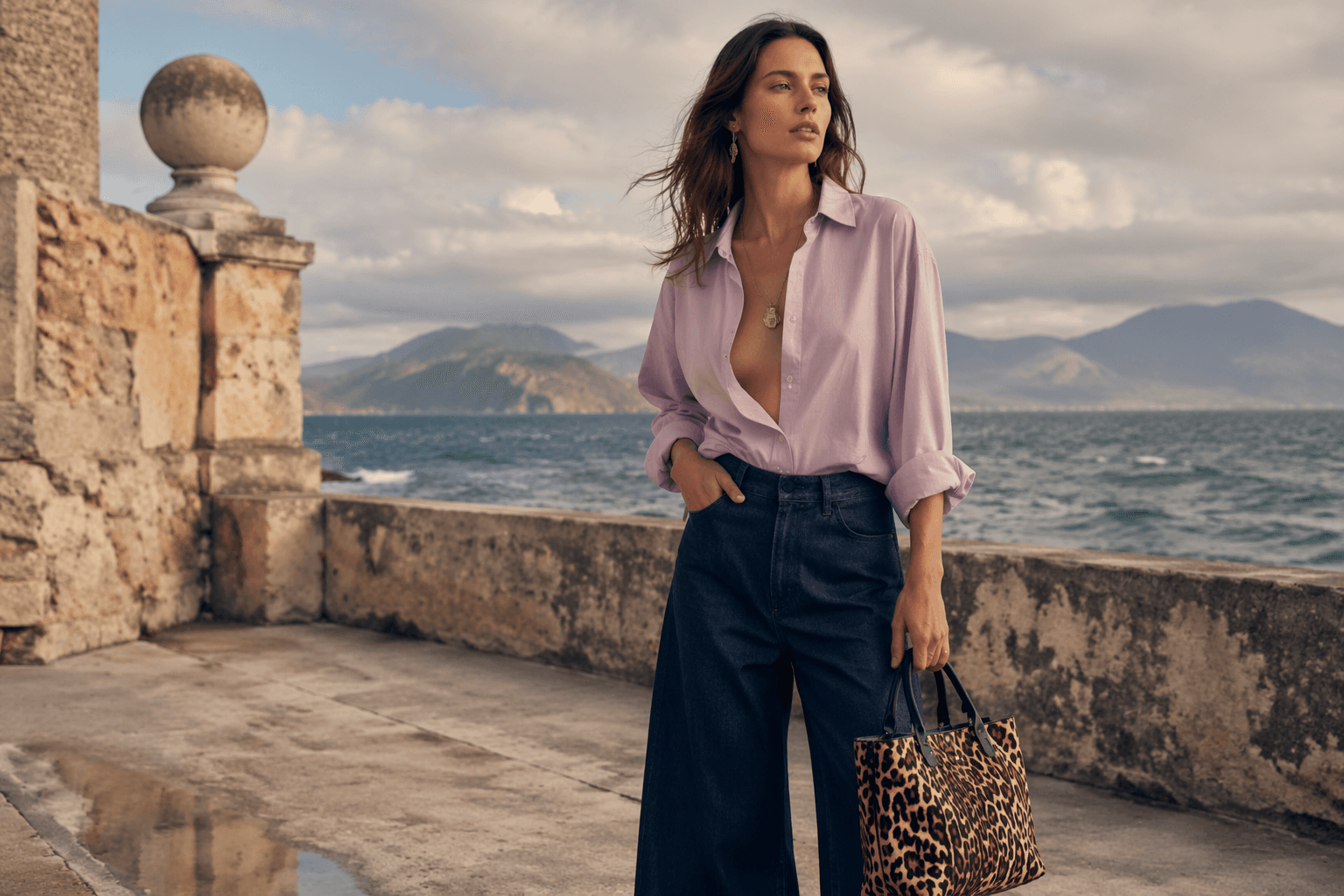
The most visible thread running through the week was a Blazy-inflected language of dressing: crisp shirts, drop-waist skirts, and transparent bags. These were not loud gimmicks, but pieces that changed the proportion of an outfit in a subtle, modern way. A sharp shirt instantly makes a skirt feel intentional; a lower waistline softens the body and lends ease; a clear bag adds a note of lightness, almost as if the look has been edited down to its essentials. That is what made the season feel commercially grounded. The clothes were designed to be styled, not simply admired.
A citywide fashion system, not just a runway calendar
Shanghai Fashion Week’s scale helped explain why this shift toward realism feels meaningful. The Autumn/Winter 2026 schedule opened on March 25, 2026, and the official lineup listed 66 brands across venues and districts that included Xintiandi, Yongyuan Road, Yandang Road, Huangpu, Jing’an, and Pudong New Area. That geography matters. The week was not contained in one neat fashion district, but spread across the city like a working network of showrooms, presentations, trade rooms, and consumer-facing moments.
The platform itself has been framed that way: as a broader fashion ecosystem that combines runway presentations, trade fairs, and fashion consumption promotion. That is the real evolution here. Shanghai is not simply staging clothes for industry insiders; it is building an environment where designers can show, sell, and connect with buyers in the same breath. The city’s spring/summer 2026 season, with more than 4,000 new clothing and accessory items, offered a useful benchmark for the scale of that ambition. This is fashion as infrastructure, and it is increasingly designed to move product as well as image.
The mood: femininity with backbone
If the clothes felt more restrained than extravagant, that restraint was part of the appeal. WWD’s buyer roundup from the season said femininity balancing strength, softness and restraint was in favor, and that reading fits the silhouettes that came through the week. The new femininity is not sugary or brittle. It has structure in the shoulder, fluidity through the skirt, and enough understatement to feel relevant beyond one season’s headlines.
That balance gives the collection mix real consumer relevance. Crisp shirting, softened waists, and semi-transparent accessories can all slot into an existing wardrobe without demanding a total overhaul. A shirt with a razor-clean collar works with tailored trousers or a long skirt. A drop-waist silhouette gives you movement without fuss. Even the transparent bag, which might have once read as novelty, now feels like a styling device, a way to lighten an outfit rather than dominate it. The best collections did not force a new wardrobe on the audience; they offered smarter ways to use the one already hanging in the closet.
Why the international angle matters now
CGTN described this season’s Shanghai Fashion Week as a bridge linking Chinese designers with international markets, and that positioning is crucial to understanding the week’s tone. The return of internationally recognized Chinese designers alongside more commercial brands suggested a maturing market, one that no longer treats creativity and commerce as opposing forces. Instead, the strongest shows seemed to understand that the route to global relevance runs through clothes people can imagine buying, wearing, and repeating.
That is where the renewed energy in Shanghai feels distinct from a simple trend cycle. The city is presenting a version of fashion that is more disciplined, more wearable, and more persuasive in store. The collections were not flattened by pragmatism, but sharpened by it. Designers still built worlds, but those worlds had entries, exits, and hangers.
What this means for silhouette and styling now
The practical takeaway from Shanghai is that the silhouette is getting cleaner, but not severe. Waistlines are dropping, shirts are crisping up, and volume is being used with a lighter hand. Fabrics and finishes are doing less shouting and more suggesting, which makes the clothes easier to style across occasions and easier to place on the floor.
- Look for pieces that create shape through proportion rather than decoration.
- Expect stronger shirting to anchor softer skirts and dresses.
- Watch for translucency and lighter accessories as a way to break up heavier tailoring.
- Read the shift toward restraint as a commercial cue, not a retreat.
Shanghai Fashion Week’s message is clear: the future mood of global fashion may be less about extremes and more about edited elegance. The designers who understand how to make a collection feel visionary and buyable at once are the ones setting the pace now, and Shanghai is making a compelling case that polish, practicality, and modern femininity can coexist without compromise.
This article was produced by Prism’s automated news system from verified source data, official records, and press releases, then run through automated quality and moderation checks before publishing. The system is built and supervised by the people who set the standards it runs under. Read our full AI policy.
Did this article answer your question?