Spring 2026 Style Guide: Breezy Dresses, Bold Accessories, and AI Shopping Tools
Breezy dresses, bold accessories, and AI shopping tools are rewriting the spring 2026 wardrobe playbook — here's exactly how to work each trend.
Spring dressing has always been about possibility: the first warm morning that makes you reach past the wool coats, the instinct to wear something that feels genuinely new. For spring-summer 2026, that instinct has a sharper edge. The season's strongest looks share a common thread, lightness with intention, and the way you shop for them is changing just as fast as the clothes themselves.
The Case for Breezy Dresses
The dress is doing the most work this season, and the best versions earn their keep through fabric and cut rather than decoration. Think fluid silhouettes in cotton voile, washed linen, and lightweight crepe that move with the body rather than against it. The shift away from structured, body-conscious shapes that dominated the past few years is decisive: volume is back, but it's considered volume, not shapeless. Midi lengths with relaxed waists, sleeveless columns with a single statement seam, wrap styles in saturated spring tones — these are the shapes earning real wardrobe mileage right now.
Color is doing the heavy lifting where embellishment once did. Soft butter yellows, warm terracottas, and a very specific shade of faded sky blue are appearing consistently across both high and contemporary price points. If you're investing in one dress this season, prioritize fabric weight and drape over print: a well-cut solid in quality linen will carry you from a Tuesday lunch to a weekend wedding with far less effort than a heavily patterned alternative.
Statement Accessories: Bold Without Overthinking It
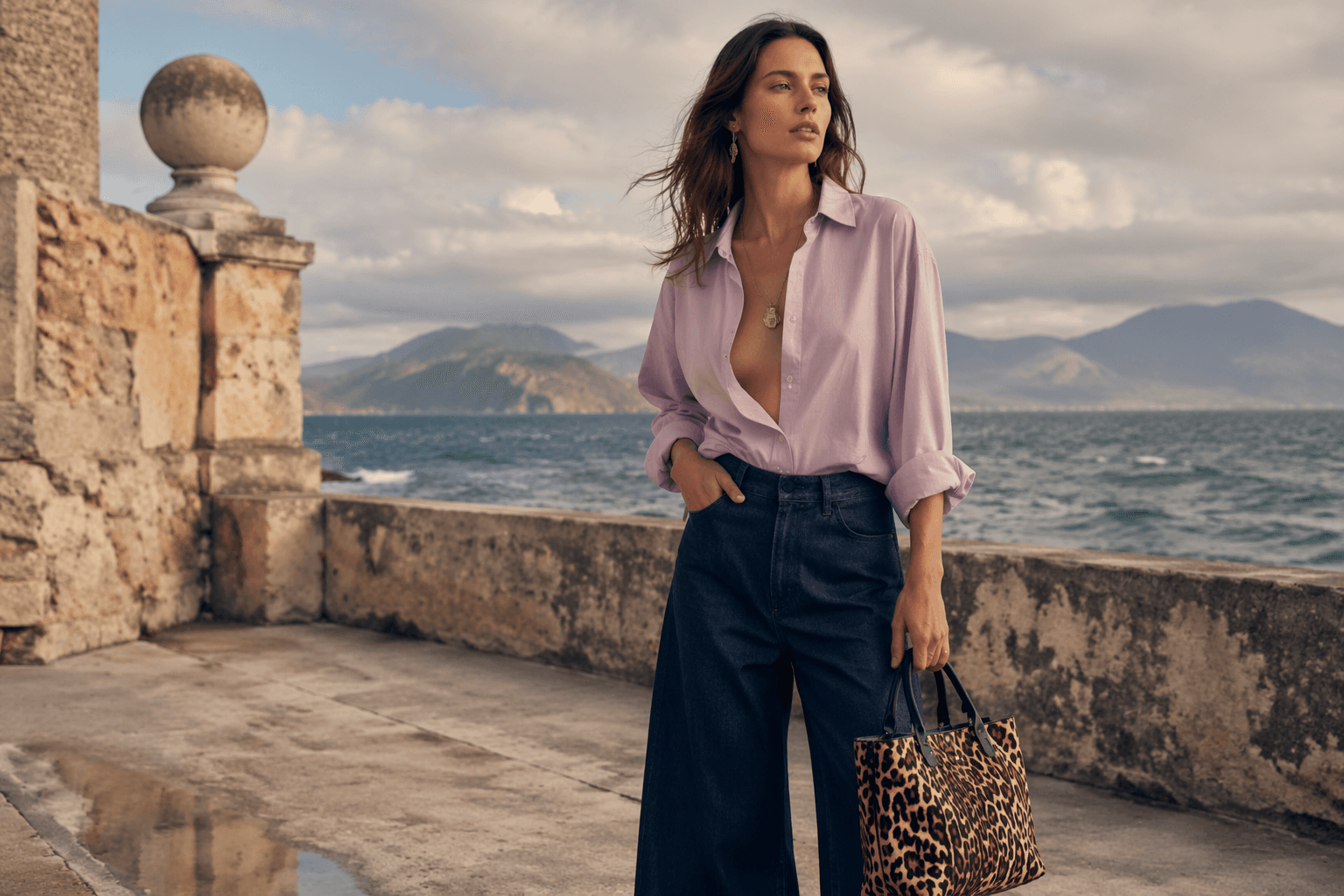
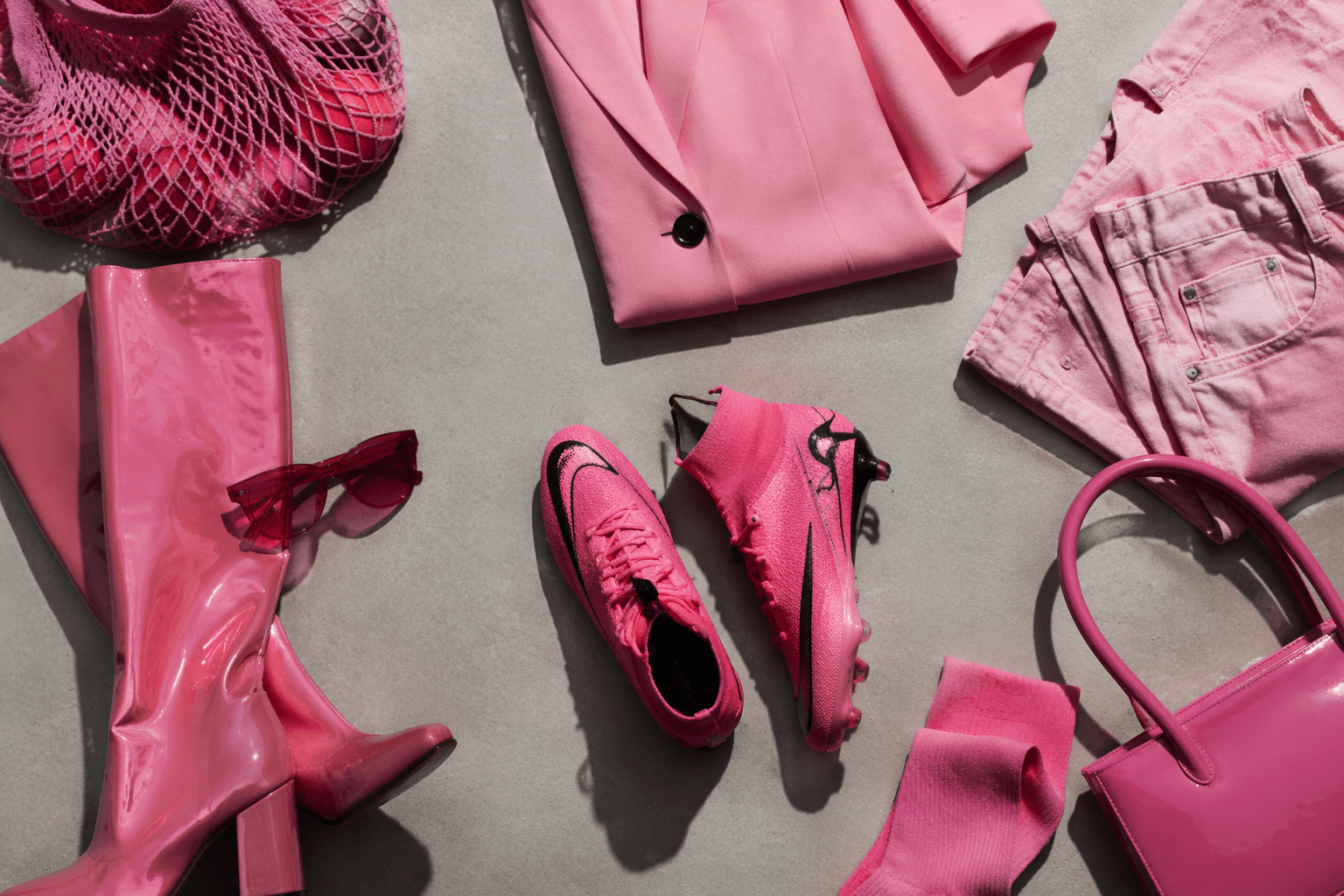
The accessories conversation for spring-summer 2026 is louder than it has been in several seasons, and that's intentional. When the clothes themselves lean relaxed and unstructured, accessories become the sharpest tool in the styling kit. Oversized earrings in architectural resin or hammered metal, woven bags with unexpected hardware, and footwear with exaggerated proportions are the specific categories gaining traction.
Bags deserve particular attention. The basket and woven silhouette that's been building for two years has arrived at full maturity: what was once a purely summer casual piece now appears in refined iterations with structured frames and polished closures that read as genuinely sophisticated. Pair one with a tailored trouser and a crisp shirt and it holds its own in professional contexts. That versatility is what separates a trend worth buying into from one that dates out after a single season.
Shoes are taking a maximalist turn in a specific, wearable way. Sculptural mules, sandals with architectural block heels, and pointed flats with bold toe hardware are the shapes to know. The common denominator is confidence in proportion: nothing timid, nothing overworked, just a clear point of view expressed in a single pair.
Building the Spring Wardrobe With Intention
Refreshing a wardrobe for a new season doesn't require a full overhaul, and the smartest approach right now is surgical. Identify two or three categories where your current wardrobe genuinely falls short, then invest specifically there rather than adding volume indiscriminately. For most wardrobes, spring-summer 2026 calls for:
- At least one fluid dress in a neutral or season-relevant color that integrates with existing pieces
- A bold accessory, specifically a bag or earring, that introduces the season's energy without requiring a full outfit rethink
- A lightweight layering piece: an unstructured linen blazer or open-weave cardigan bridges spring's unpredictable temperatures without compromising the overall aesthetic
The discipline is in the editing. Every piece added should either replace something worn out or fill a specific gap. The wardrobe that works hardest in spring is the one where everything already owned plays well with the new arrivals.
AI Shopping Tools: How They're Changing the Way You Buy
The more interesting shift this season isn't in the clothes themselves but in how people are finding and buying them. AI-powered shopping tools have moved well past novelty and into genuine utility for fashion-aware consumers who shop intentionally.
The current generation of AI shopping assistants can do several things that traditional search simply cannot. They parse your existing wardrobe (via photo upload on several platforms) and suggest specific new pieces that integrate with what you already own, rather than presenting trend-led recommendations in a vacuum. They identify fabric content and construction quality from product images with increasing accuracy. They track price history across multiple retailers and flag when a specific piece has dropped or is likely to during a sale window.
For the intentional shopper, the practical applications are significant:
- Use AI style tools to gap-analyze your wardrobe before adding anything new — the best tools will surface specific combinations you're missing rather than generic trend reports
- Leverage price-tracking features across multiple retailers before committing to full-price purchases, particularly for investment-level accessories
- Use image-search functionality to find lower-priced alternatives to hero pieces that fall outside your budget; the current tools are accurate enough to surface genuinely comparable options rather than superficial lookalikes
The caveat worth keeping in mind: AI tools are only as useful as the parameters you give them. A tool that doesn't know your lifestyle, dress code requirements, or existing wardrobe will default to broad trend recommendations that could apply to anyone. The investment of ten minutes setting up a proper profile or preference filter pays back every subsequent search.
The Bigger Picture
Spring-summer 2026 is a season that rewards deliberateness. The strongest looks aren't built on volume of pieces but on the quality of decisions: the right dress in the right fabric, one accessory that announces itself clearly, a shopping process informed by tools that actually understand your context. The technology catching up to intentional fashion consumption is, quietly, one of the more significant developments in how style actually gets practiced day to day — not just observed on a runway.
This article was produced by Prism’s automated news system from verified source data, official records, and press releases, then run through automated quality and moderation checks before publishing. The system is built and supervised by the people who set the standards it runs under. Read our full AI policy.
Did this article answer your question?