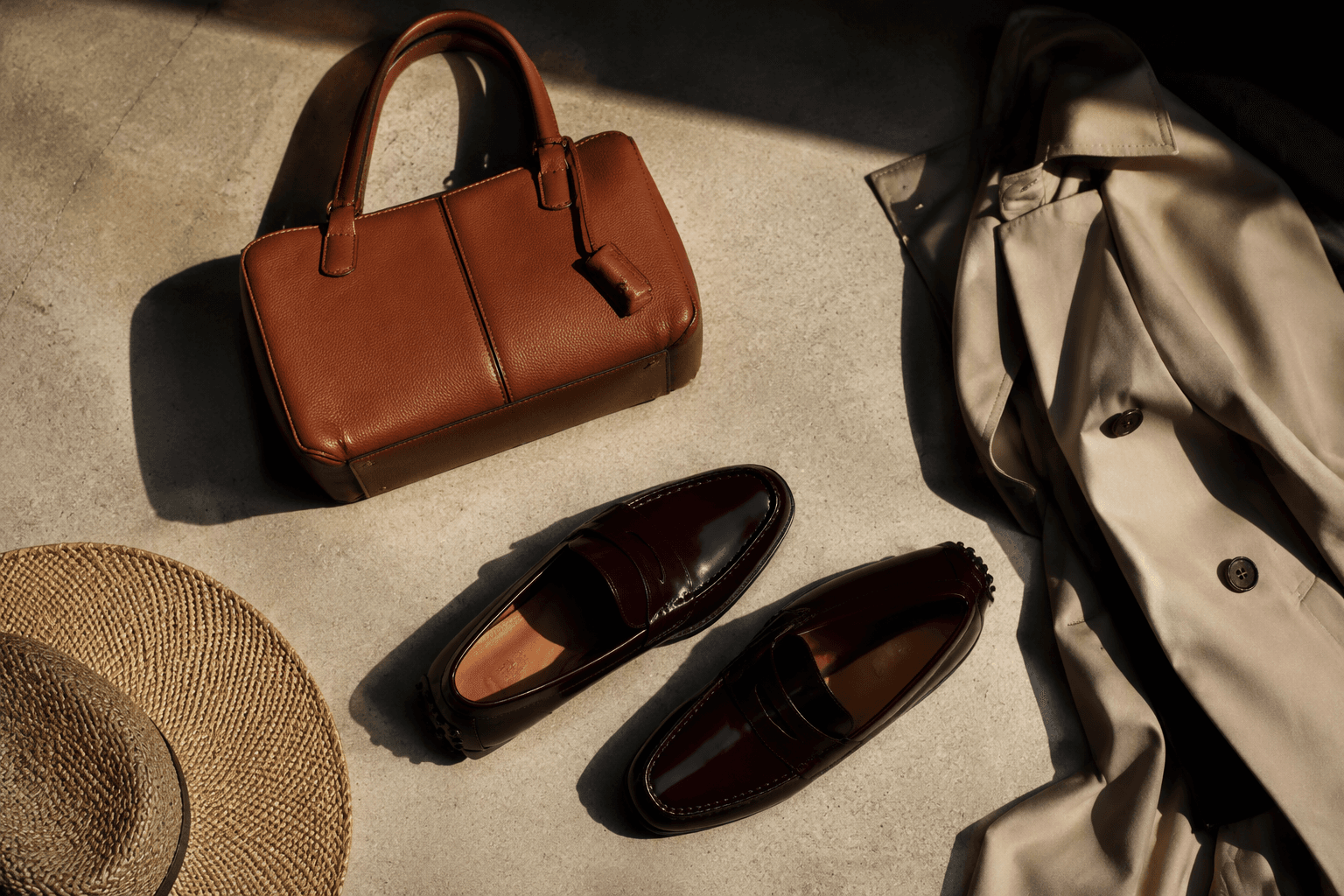
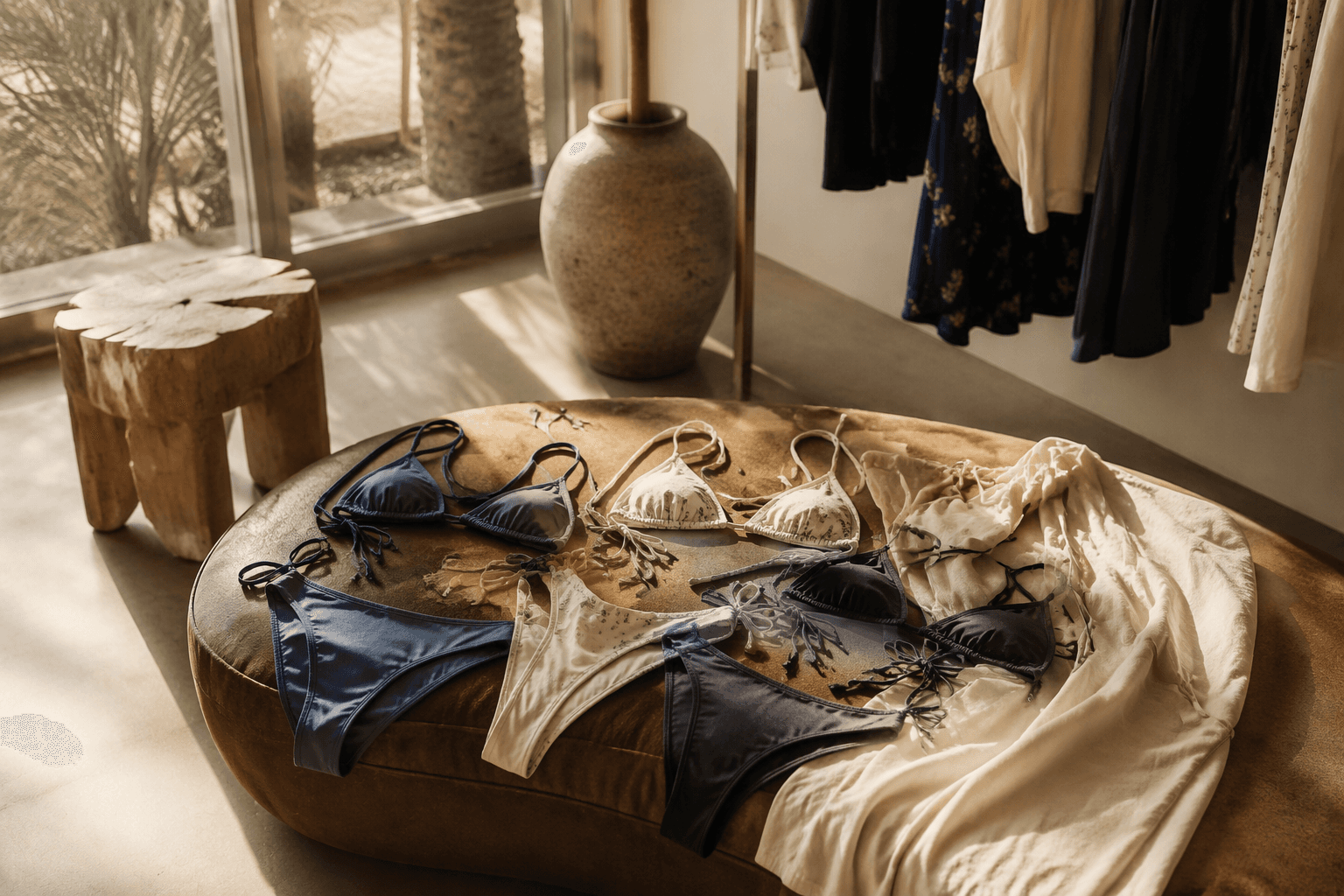
The secret to effortless style is more thought, not less
Effortless style is a construction job, not a personality trait, and Chanel, quiet luxury, and model-off-duty dressing all prove it.
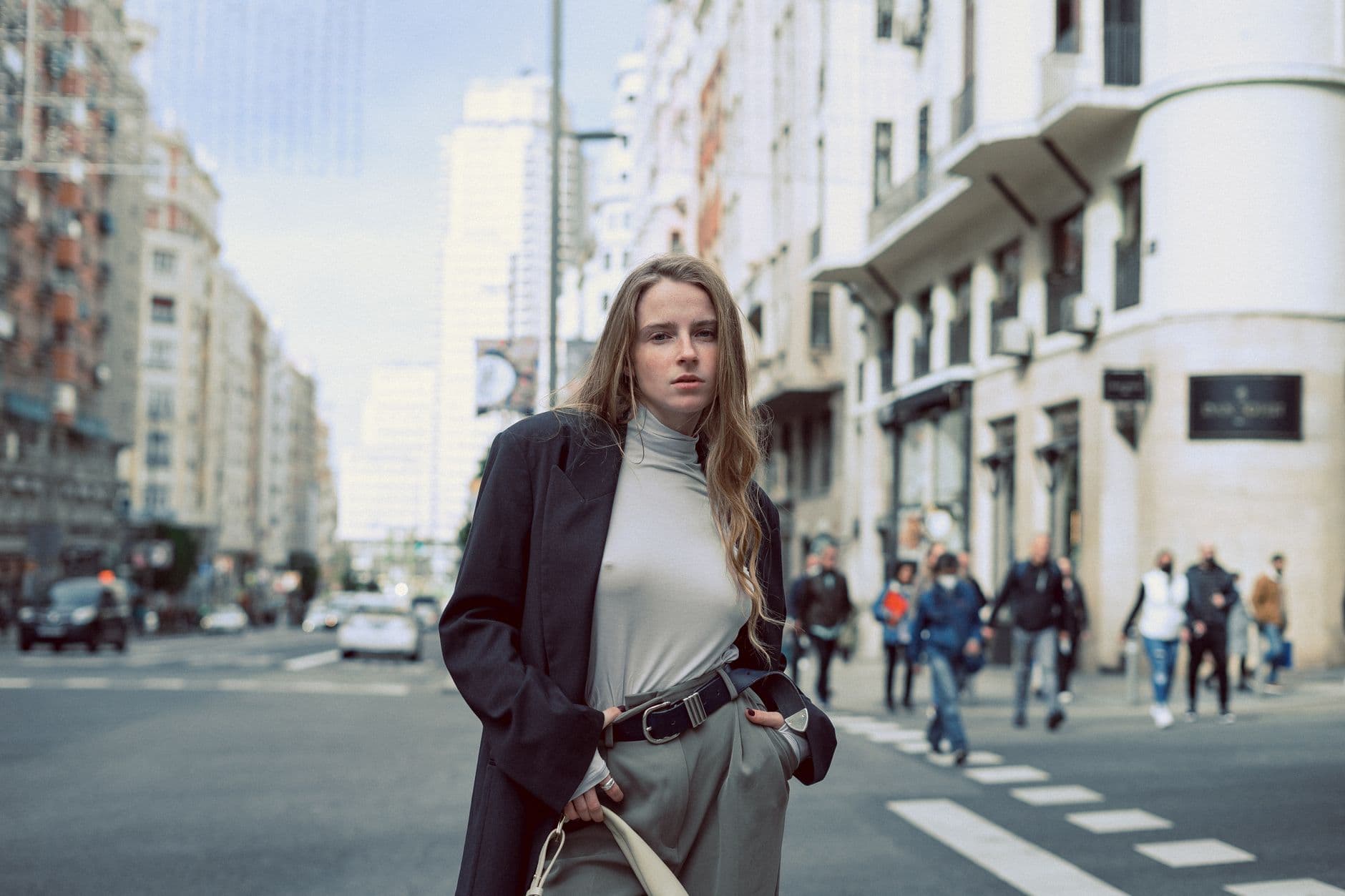
A fitting, a tailor, and a strong point of view sit behind the polished look fashion likes to call effortless. Daisy Maldonado put the point plainly: what reads as natural is usually built through editing, discipline, and taste. The clothes may look relaxed, but the system behind them is anything but.
What the myth really sells
The appeal of “effortless” is that it makes style seem innate, as if some people were simply born knowing how to stand in a room. That is useful to celebrity dressing and luxury branding alike, because it turns image-making into destiny and hides the labor that makes the image work. The actual code is visible in clean lines, restrained color stories, and proportions considered until they look almost accidental.
A white T-shirt can read expensive with the right trouser, and a simple dress feels elegant when the hemline and shoulder balance the body properly. A limited palette reads intentional when the shades speak to one another instead of competing for attention.
Chanel made simplicity fashionable
Minimalist dressing traces back to the 1920s and Coco Chanel’s introduction of the little black dress. Chanel’s own line, “Simplicity is the keynote of all true elegance,” still explains why pared-back dressing reads as chic instead of plain when the proportions are right.
The little black dress did not just become a staple because it was easy. It became a template because it condensed elegance into one clear idea: shape, fit, and restraint can carry more authority than embellishment.
Quiet luxury turned understatement into a headline
Quiet luxury first started floating around the celebrity and fashion worlds before becoming a whole visual language of understated elegance. The modern version of effortless dressing is not about disappearing. It is about looking expensive without announcing why.
A less-is-more approach only works when every choice is doing work off camera as well as on it, from the drape of the fabric to the restraint of the palette.
The wardrobe math behind looking “thrown together”
The best effortless outfits rely on a narrow set of rules that are easy to describe and difficult to execute well. A capsule wardrobe works because it reduces decision fatigue, but it only looks polished when the pieces are cut with enough care to stack cleanly together. Model-off-duty uniforms work for the same reason: they are repeatable, recognizable, and built around fit rather than novelty.
The details that separate polished from sloppy are surprisingly small:
- A white T-shirt needs weight and structure if it is going to sit cleanly with tailored trousers.
- A simple dress needs hem and shoulder proportions that flatter the body instead of fighting it.
- A limited palette reads intentional when the shades speak to one another, not when every item competes for attention.
- Tailoring is the hidden luxury, because a minor adjustment at the waist, sleeve, or hem can change the entire mood of a look.
Those are not accidental choices, and they are not cheap in time or labor. They require fittings, alterations, and a level of wardrobe maintenance that most “effortless” fantasies politely leave out.
Why the look keeps coming back
Model-off-duty style is recognizable, not mystical, and that is part of its staying power. When trend fatigue sets in, people reach for a uniform because a uniform feels calmer than a closet full of impulses. Effortless style keeps returning because it promises modernity without clutter: denim, a sharp jacket, a plain tee, a disciplined silhouette.
This article was produced by Prism’s automated news system from verified source data, official records, and press releases, then run through automated quality and moderation checks before publishing. The system is built and supervised by the people who set the standards it runs under. Read our full AI policy.
Did this article answer your question?