Theory softens men’s spring 2027 style with airy tailoring
Martin Andersson’s spring 2027 lineup swapped Theory’s sharp boardroom tailoring for tropical wool, softened shapes and NYC texture.
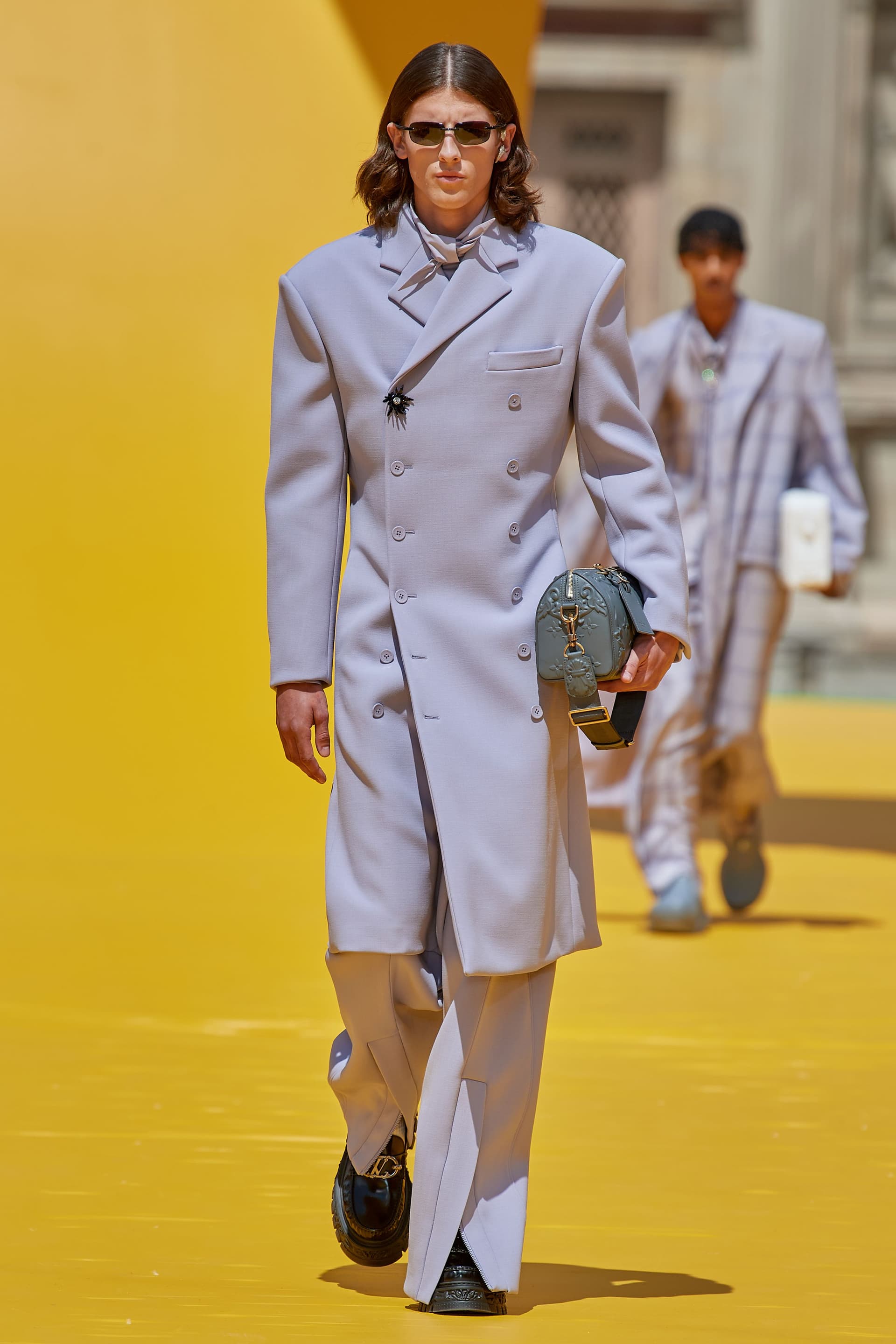
Theory’s men’s Spring 2027 collection turned the brand’s clean-lined tailoring into something looser, lighter and more summer-ready, with Martin Andersson pushing staple pieces through NYC-inspired textures, bold color and relaxed silhouettes. Shown on July 3 under Theory’s men’s creative director, the lineup felt like a recalibration of the label’s uniform rather than a wholesale reset.
The sharpest signal came in the cloth. One of the tailoring highlights used tropical wool sourced from an Italian mill that dates back to the 1600s, a detail that gave the collection a more tactile kind of luxury than a standard suiting fabric can manage. Tropical wool keeps weight down without losing structure, and here it supported the season’s softer cut: jackets and trousers that read polished, but no longer rigid.
That shift fits neatly inside Theory’s core identity. The company was founded in New York in 1997 and still frames itself around perfect fit, premium fabrics and timeless style designed for urban life. It also says it operates 440 stores worldwide, while Fast Retailing listed 423 Theory stores as of February 28, 2026, a reminder that this is no niche downtown label but a global business with a large retail footprint.
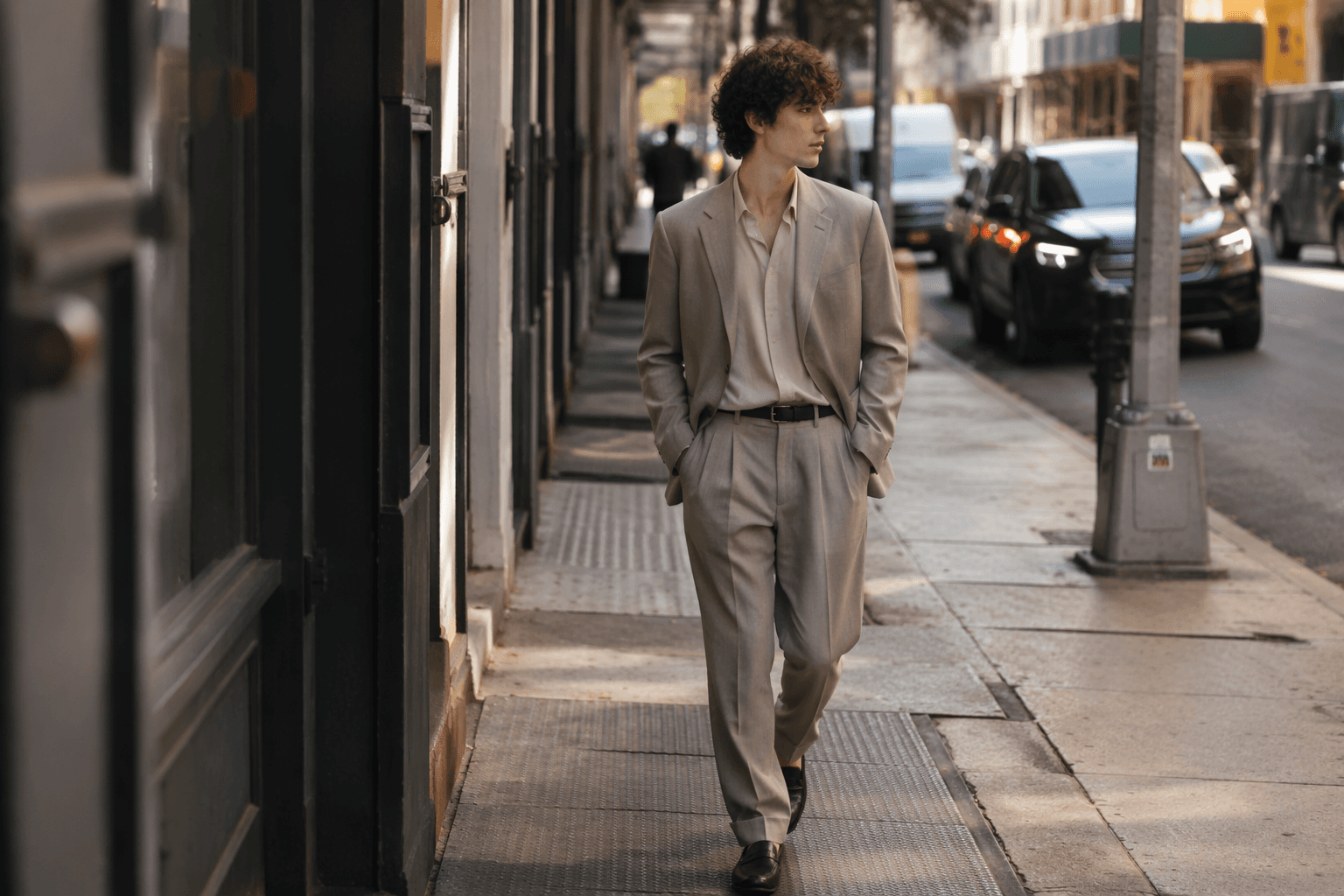
The ownership structure matters too. Fast Retailing, the Japanese group behind Uniqlo, made Theory a fully owned subsidiary in 2009 through a tender offer, and that scale sits behind the collection’s polished ease. Theory’s men’s assortment has increasingly included vacation-minded pieces such as linens, polos and relaxed shorts, and Spring 2027 extended that language into tailoring that looked engineered for heat, movement and a less formal dress code.
What made the collection distinctive was the way it kept Theory’s precision intact while giving it more air. Andersson’s versions of familiar staples did not abandon the brand’s code of urban polish; they thinned it out, added texture, and let the clothes breathe. In a market still full of overbuilt suiting, that kind of restraint can look like the freshest statement of all.
This article was produced by Prism’s automated news system from verified source data, official records, and press releases, then run through automated quality and moderation checks before publishing. The system is built and supervised by the people who set the standards it runs under. Read our full AI policy.
Did this article answer your question?