Uniqlo U Spring 2026 Delivers Genderless, Polished Basics for Easy Everyday Dressing
Uniqlo U's Spring 2026 capsule hits different: four genderless basics under $130, built around a "neo-core" philosophy that makes polished dressing genuinely low-effort.
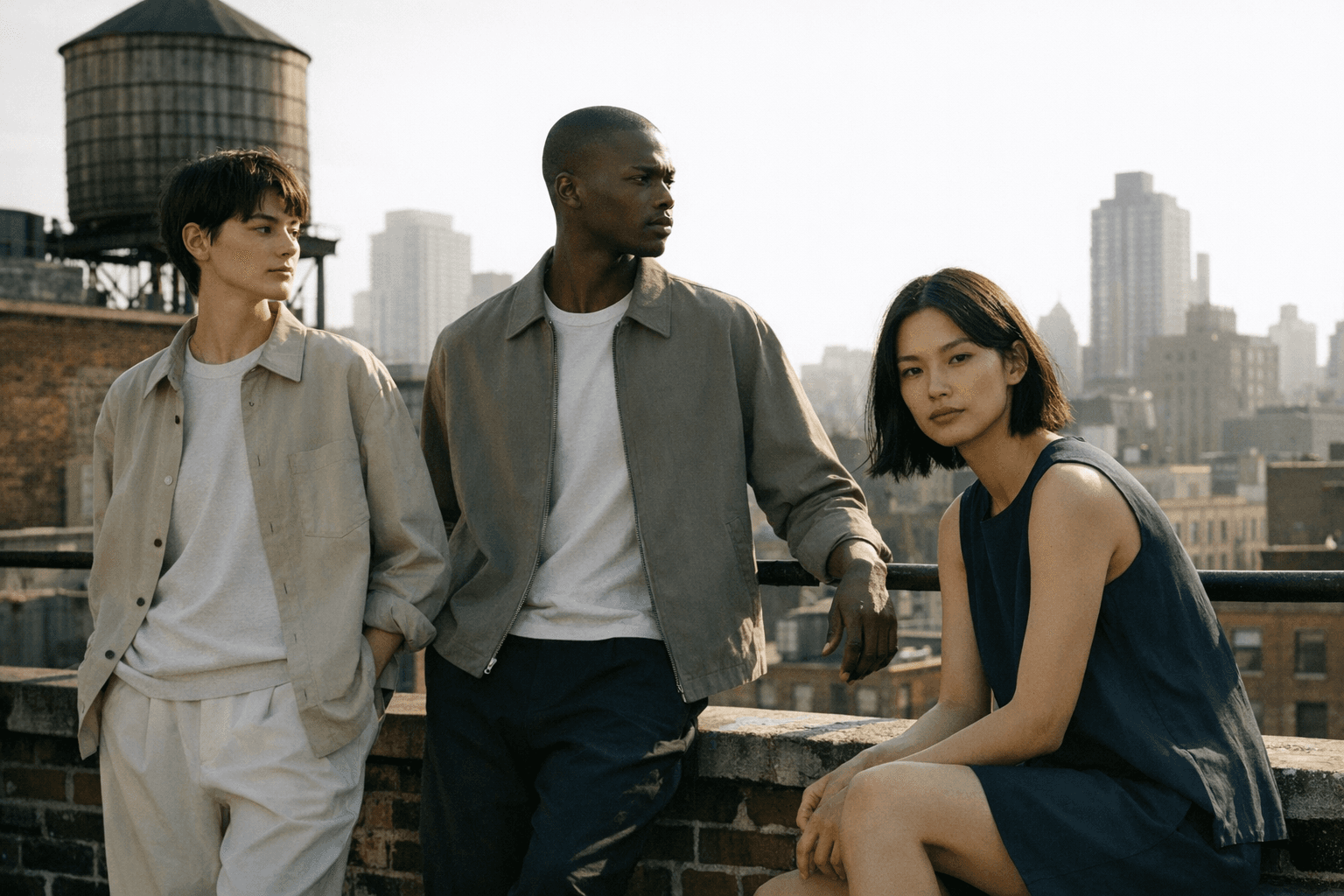
Four pieces. That's all it takes to understand what Christophe Lemaire and Sarah-Linh Tran are doing with Uniqlo U's Spring 2026 capsule. A $130 tailored jacket. A $50 pair of gathered pants. A $70 blouson. Another $50 pair of trousers. The price ceiling is modest; the thinking behind it is not.
What "Neo-Core" Actually Means
Lemaire and Tran named the SS26 collection's organizing philosophy "neo-core," and it's worth taking that seriously rather than dismissing it as marketing language. The concept frames clothing as a modular system that iterates on essentials rather than chasing seasonal novelty. Think of it as the opposite of trend-driven design: instead of introducing new silhouettes every few months, the Paris-based design team makes subtle adjustments to proportion, volume, and material so each piece feels current without abandoning what made it work in the first place. The result is a capsule that functions less like a collection and more like a wardrobe architecture, pieces that slot together, layer over each other, and adapt as your day shifts.
The Color Story
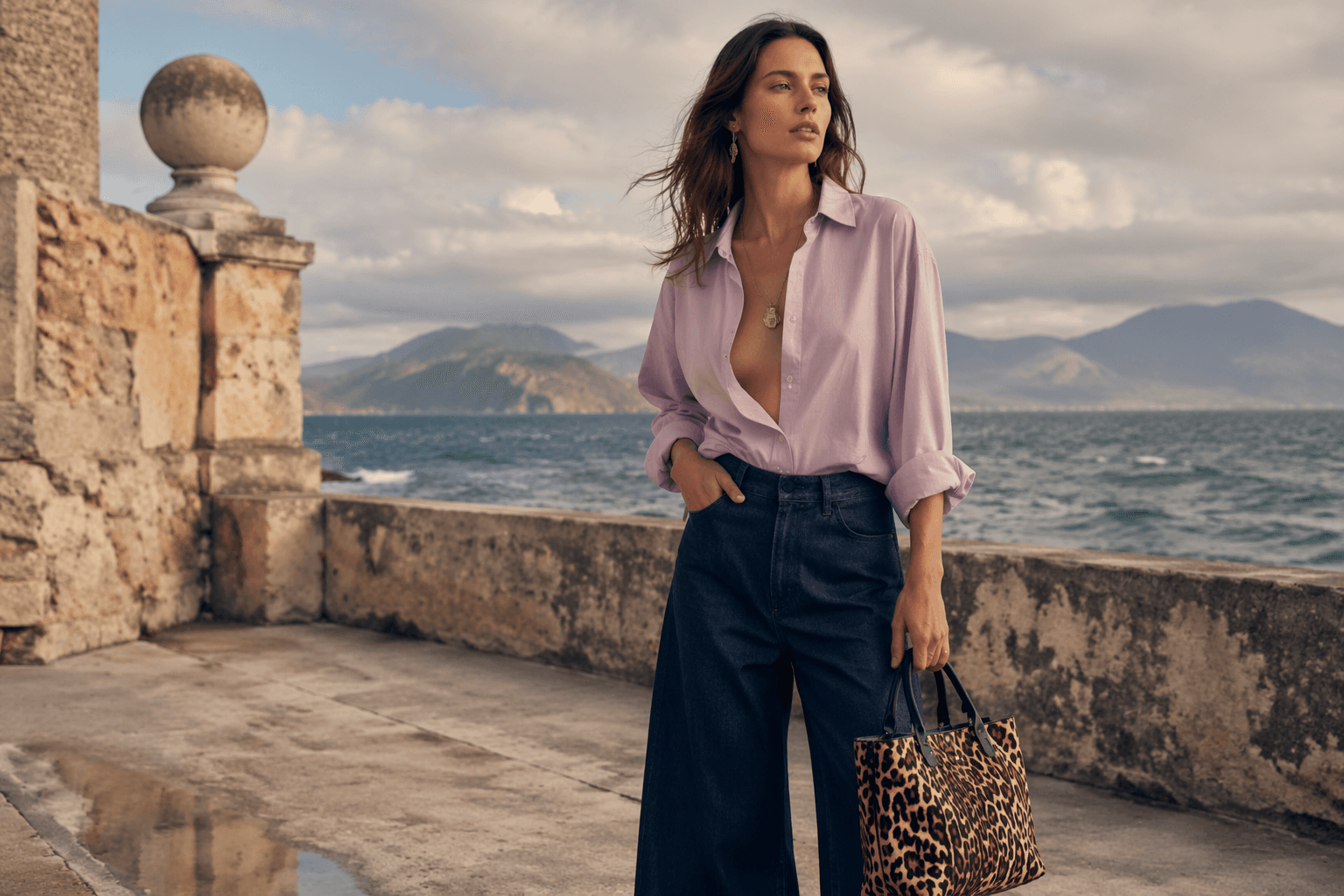
Spring 2026's palette signals a deliberate mood: washed-out purples, muted oranges, ochres, cream, and tinted whites. Lemaire and Tran describe it as "a new rhythm of color," and the phrase earns its keep. These are not the punchy brights of typical spring campaigns; they read closer to colors that have spent a season in good sunlight. The summery hues center on tinted white and washed blue for a lightweight rhythm, while the soft purples and ochres carry enough warmth to work as transitional tones through the uncertain stretch between late winter and actual spring. It's a palette that lets pieces coexist without competing, which matters when you're building an outfit from multiples of the same capsule.
The Pieces, Broken Down
The Tailored Jacket at $130 is the collection's structural anchor. Tailored but not stiff, it bridges the gap between a blazer and a lightweight layer you'd actually reach for on a Tuesday morning. At that price point, it invites comparison to the casualwear-blazer hybrids flooding the mid-market right now, but Lemaire's approach to proportion consistently feels more considered than what's sitting in most fast-fashion windows.
The Easy Gathered Pants ($50) are the pair that has editors talking. Their airy drape comes directly from fabric selection and construction: the material is cut to respond to movement, creating a fluid silhouette that doesn't fight the body. On paper, "gathered pants" can read as shapeless. In practice, the construction keeps them from collapsing into a sack; the gathering is positioned to create volume that reads intentional.
The Cotton Blend Short Blouson ($70) is probably the most style-forward item in the capsule. It combines a compact, close fit through the body with distinctly loose sleeves, a proportion combination that gives it a slightly sculptural quality at a price that makes experimentation feel low-stakes. Writers who tried it on noted it reads like a more elevated take on the Members Only silhouette, which is a useful reference point: it's recognizable enough to feel approachable but finished enough to wear over anything from a dress to straight-leg trousers.
The High Rise Straight Pants ($50) round out the bottoms offering with a cleaner, more streamlined counterpart to the Gathered Pants. High-rise positioning lengthens the leg line, and the straight cut keeps them versatile across body types. At $50, they represent the collection's strongest value argument, sitting comfortably in territory where most basics twice the price fail to deliver comparable construction.
Fit, Sizing, and Styling Notes
The Cut's shopping team went beyond a standard product rundown, putting the pieces through first-person try-ons across multiple writers. Their collective takeaway reinforces what the collection promises on paper: these are pieces that actually wear the way they look. Sizing guidance from the team points toward Uniqlo U's loose silhouettes running true to size for the intended relaxed fit, though anyone who prefers a closer line might consider sizing down on the blouson specifically. Several editors flagged tailoring as worth considering on the trousers if you're shorter; the generous inseam length is intentional for the drape effect but easy to hem without disrupting the silhouette.
The collection's strongest styling argument is its transitional function. The lightweight outerwear, specifically the blouson and the tailored jacket, works equally well as a top layer in cooler weather or a standalone piece when temperatures climb. The poly construction on the blouson includes light rain resistance and a bungee waist tie for cinching, which keeps the volume looking deliberate rather than oversized. That kind of considered functional detail is where Uniqlo U consistently earns its editorial attention: it's not just about how a piece photographs, but how it behaves when you're actually wearing it through a full day.
The Genderless Argument
Calling a collection "genderless" is easy. Building one that actually functions that way across different bodies takes more work. Lemaire and Tran's approach here leans on silhouette rather than sizing: the airy, loose cuts read differently depending on how you wear them, rather than being designed with a single proportional ideal in mind. The tailored jacket sits differently on a narrower frame than a broader one; both readings are intentional. The gathered pants create volume that isn't coded as inherently feminine or masculine. This is the practical version of genderless design, not a statement campaign, but a capsule where the pieces simply work for whoever picks them up.
Why This Collection Holds Up
Uniqlo U has been running since 2016, and the consistent critical engagement it generates, season after season, comes down to one thing: the price-to-design ratio is genuinely hard to beat at this level. A $130 Lemaire-directed tailored jacket with thoughtful proportioning sits in a market category that typically starts at three times the price. The Spring 2026 capsule doesn't reinvent what Uniqlo U does well; it refines it. That's exactly the point. The neo-core philosophy is, in practice, a promise that the work happening in that Paris studio is cumulative, each season a better version of the last rather than a departure from it. For anyone building a wardrobe around pieces that hold their shape, their relevance, and their value past the season they were purchased in, that's a more compelling offer than any trend-driven collection could make.
This article was produced by Prism’s automated news system from verified source data, official records, and press releases, then run through automated quality and moderation checks before publishing. The system is built and supervised by the people who set the standards it runs under. Read our full AI policy.
Did this article answer your question?