Vintage athleticwear gives outfits a cooler, lived-in edge
Vintage athleticwear is back because it looks worn, not worked over. A $393 billion secondhand market is turning old team gear into a fashion signal.
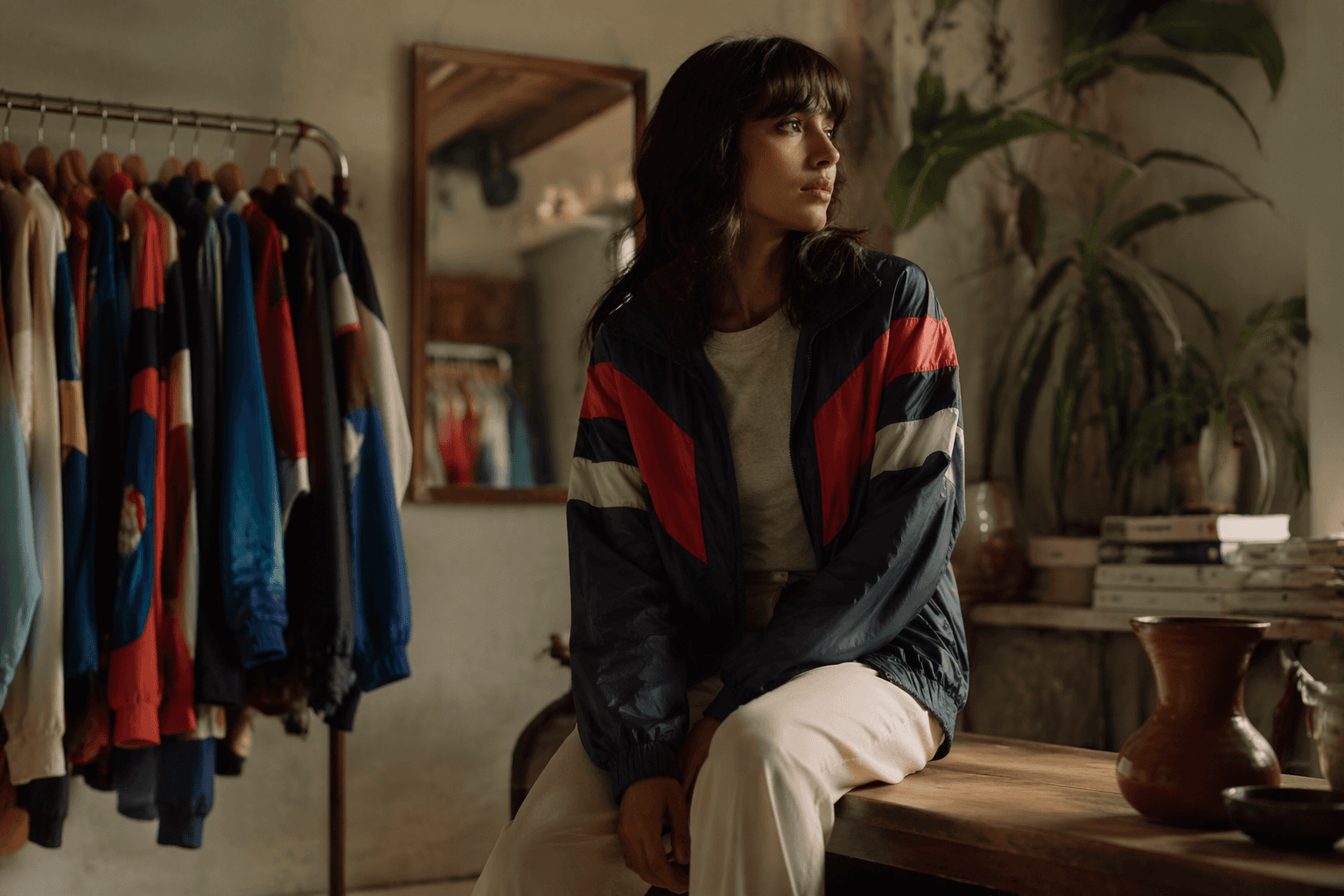
The cool move right now is not a spotless matching set. It is a faded warm-up top, a softened team tee, or a track jacket that already looks like it has lived through a few seasons and come out better for it. Vintage athleticwear gives an outfit that easy, borrowed character fashion keeps chasing, and it does it without trying too hard.
Why vintage sportswear suddenly feels right again
This trend works because it pushes against the glossy, overplanned look that has dominated activewear for years. The mood has shifted toward older team gear and archive sports pieces that feel collected, not purchased all at once, and that slightly rougher finish is exactly what makes the outfit cooler. The appeal is simple: a worn-in sweatshirt can make tailored trousers feel less precious, and a faded jersey can pull a whole look out of the sterile gym-uniform zone.
Depop called the broader move “The New Fundamentals,” and that label fits the sportswear comeback perfectly. The point is not polish for its own sake; it is adaptability, individuality, and pieces that feel believable in real life. Vintage athleticwear gives you all of that in one shot, especially when the fabric has softened, the color has dulled a little, and the print has aged just enough to look authentic.
The resale engine underneath the mood
This is not just a styling trick. It sits inside a massive secondhand market that keeps getting harder to ignore. ThredUp’s 2025 Resale Report said the U.S. secondhand apparel market grew 14% in 2024, five times faster than the broader retail clothing market, and projected that it would reach $74 billion by 2029. That is not a niche thrift story anymore. That is a full-on retail lane.
The global picture is even bigger. ThredUp’s 2026 report put the worldwide secondhand market at $393 billion, or roughly 10% of total apparel spend, and said Gen Z and Millennials will drive more than 70% of market growth through 2030. That matters because the people pushing resale forward are also the people shaping what looks current, which is why old sportswear is moving from bargain-bin find to style signal.
Affordability is still doing a lot of the work, too. BCG and Vestiaire Collective found that eight out of ten surveyed shoppers named affordability as a top reason to buy secondhand, and resale is growing three times faster than the firsthand fashion market. In other words, the same worn-in track jacket that reads as cool also reads as smart.
What people are searching for, and why it matters
The demand is showing up in search behavior, not just mood boards. Depop said searches for vintage activewear jumped 169% in October 2025, while cotton activewear searches rose 244% that year. That is a useful clue: people are not only looking for old sportswear, they are looking for softer, more tactile versions of it, the kind that feel better against skin and wear into a look instead of fighting it.
That search data lines up with the quiet revolt against the synthetic two-piece workout set that hit a wall in 2025. People started posting thrifted activewear finds on TikTok, wearing more colorful vintage styles to the gym, and treating old sportswear like everyday clothing instead of a costume for the mirror selfie. The shift is subtle but important. Vintage sportswear has moved from statement to staple.
How to wear it without making it look like a theme party
The best way to wear vintage athleticwear is to let it do one job in the outfit and stop there. If the top is faded and graphic-heavy, keep the rest cleaner. If the pants are roomy and sporty, anchor them with sharper shoes or a sleeker bag so the whole thing feels intentional, not dragged in from a storage bin.
A few easy ways to make it work:
- Pair a worn team crewneck with tailored trousers or straight-leg denim so the slouch feels deliberate.
- Let a vintage track jacket sit over simple basics, like a white tank, clean tee, or crisp button-down.
- Choose one piece with visible age, then keep the rest of the outfit quiet. Faded color and softened fabric already bring enough texture.
- Lean into cotton, terry, and old-school jersey fabric when you want the look to feel less gym-bag, more lived-in.
The best vintage athleticwear has a specific kind of imperfection. The ribbing is a little relaxed, the hem has lost its stiffness, and the graphic has just enough fade to look honest. That is what separates a real find from something that only looks vintage under bad lighting.
What to look for when shopping secondhand
Not every old sports piece earns a place in your rotation. The winners are the ones with personality and structure still intact: a neckline that holds shape, seams that have not blown out, a print that has softened instead of flaked away, and fabric that feels broken-in but not tired. The category is strongest when it reads like history, not damage.
That is why the best vintage athleticwear feels so current. It gives you the ease people want right now, the proof of life that makes an outfit look cooler, and the resale logic that keeps the whole category moving. In a market this big, the worn-in sports piece is no longer a thrift-store afterthought. It is one of the sharpest ways to make an outfit feel real.
This article was produced by Prism’s automated news system from verified source data, official records, and press releases, then run through automated quality and moderation checks before publishing. The system is built and supervised by the people who set the standards it runs under. Read our full AI policy.
Did this article answer your question?