Vintage fashion becomes the new luxury status symbol
Vintage is no longer the backup plan. With resale booming and archival pieces from Cavalli, Celine, and Gucci signaling taste, the rare find is the new flex.
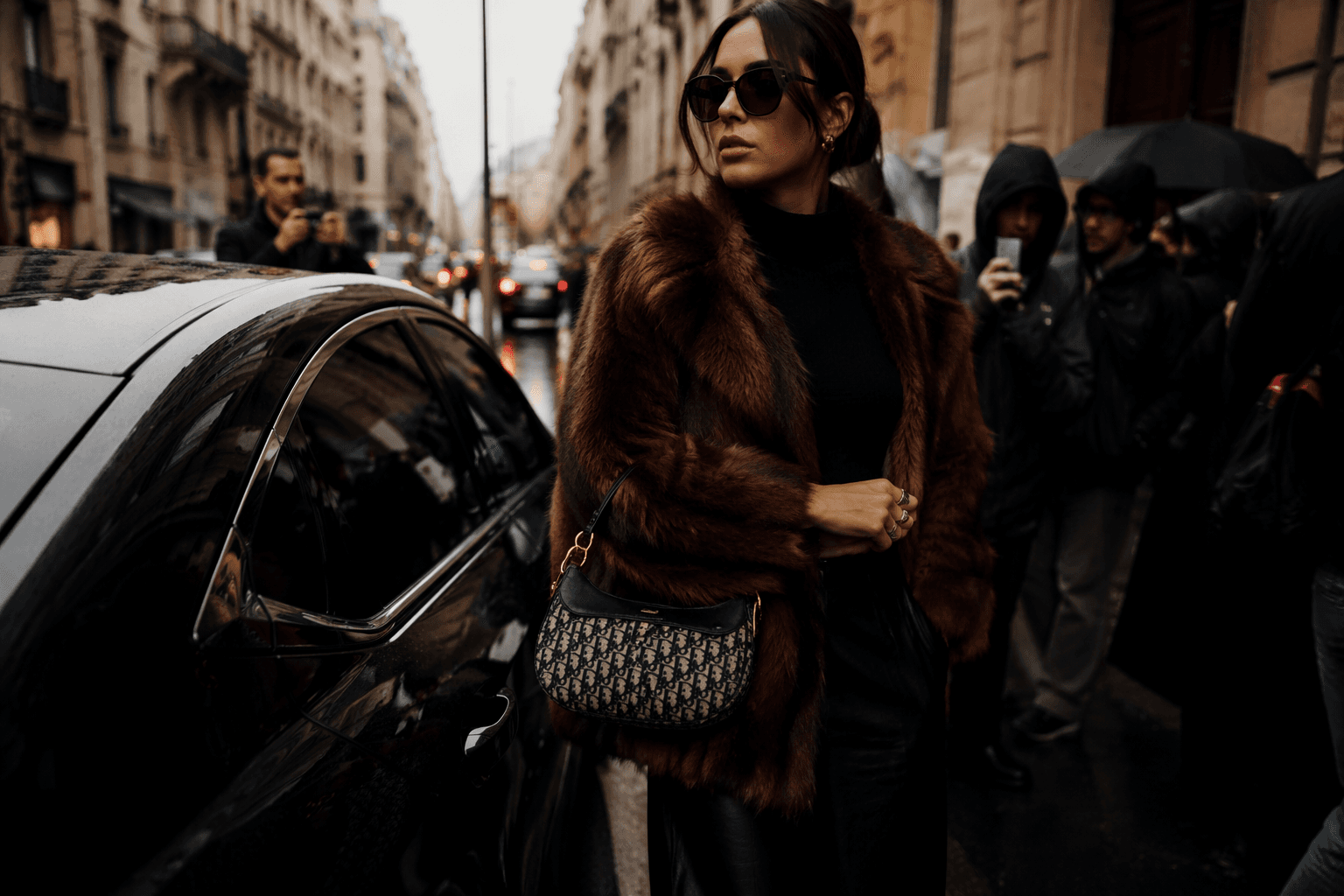
Vintage used to read as a hunt. Now it reads as a power move. The smartest closets are not chasing whatever just landed on a runway, they are chasing the piece with a past, the one with the hard-to-find cut, the cult-era logo, the kind of provenance you can clock in a second.
The new luxury code is scarcity with receipts
The shift is bigger than nostalgia. The Zoe Report frames vintage as a move from insider hobby and sustainability play to full status symbol, and the market numbers back it up: GlobalData says the global resale apparel market grew 17.6% in 2024 to $204.7 billion, while the traditional apparel market rose only 0.1%. That is not a cute side category anymore. That is a sector scaling faster than new clothes themselves.
Luxury resale platforms have built their businesses around that appetite. The RealReal says it has more than 40 million members and data from over 50 million items sold over 15 years, which is a massive machine for spotting exactly which labels, cuts, and eras people still want. Vestiaire Collective says it has 3 million items and more than 12,000 brands on the platform, and it independently authenticates items while warning that verification and quality-control checks are not error-free. The message is clear anyway: shoppers are not just buying old clothes. They are buying proof that they know what matters.
What vintage means now, and why archival matters more
The terminology is doing real work. Sotheby’s draws a line between ordinary vintage and archival fashion: anything at least 20 years old can count as vintage, but archival pieces also need significance to the brand or the industry. That distinction is exactly why a random old dress and a true collector piece do not land the same way.
Archival shopping is where fashion literacy shows up. It is the difference between saying you like vintage and knowing why a Phoebe Philo-era Céline blazer, a Tom Ford Gucci slip dress, or a Roberto Cavalli runway piece carries more heat than a generic throwback. The value is not just age. It is context, design language, and the fact that the supply is finite in a way no seasonal drop can fake.
The names that still signal to people who know
Roberto Cavalli is a perfect example of how archival status gets sharper after a designer’s death. Cavalli died on April 12, 2024, at age 83, and the brand now has an Archive Vault on its official site for women’s ready-to-wear and outlet archive items. Its Spring/Summer 2025 show in Milan included seven archival runway looks as a tribute to the founder, which turned the house’s own history into the collection’s loudest styling note.
Phoebe Philo-era Céline is another shorthand that still hits. Philo stepped down after her Fall 2018 collection, ending a 10-year run at the house, and The RealReal currently separates Phoebe Philo-era pieces and Old Céline into dedicated collectible resale categories. That kind of sorting matters because it turns a label into a timestamp. The piece is not just Céline. It is the Céline that changed how a generation dressed for work, dinner, and the camera.
Tom Ford-era Gucci has the same collector energy. Ford’s run at Gucci is generally identified as 1994 to 2004, the decade that helped turn the house into one of the defining luxury names of the 1990s. Resale listings still flag Tom Ford-era items as especially sought-after because they carry the exact kind of era recognition that makes fashion people lean in.
The museums got there first
Fashion institutions have treated clothing like cultural evidence for years, and that history now looks less academic and more predictive. The Costume Institute at the Metropolitan Museum of Art spans fashion history from the 16th century to today, and its reference library holds more than 30,000 books and periodicals plus over 1,500 designer files. FIT’s museum has a permanent collection of more than 50,000 garments and accessories dating from the 18th century to the present.
That matters because the market is finally catching up to the museum mindset. Once fashion is understood as an artifact, not just inventory, the logic changes. A jacket is not only a jacket if it marks a moment, a designer, or a silhouette that moved culture. The buyer is not only shopping. The buyer is curating.
Why this feels more current than new-season hype
The appeal of vintage now sits at the intersection of three things: access, exclusivity, and values. The access is knowing where to look and what to recognize. The exclusivity is obvious, because once a rare piece is gone, it is gone. The values piece is there too, since buying secondhand and archival extends the life of clothes instead of feeding the churn of fast fashion.
That combination is why vintage can feel more modern than whatever just arrived in stores. A new-season bag may be expensive, but a rare Cavalli dress, a precise Phoebe Philo Céline coat, or a Tom Ford Gucci top announces taste in a louder register. It says you know the silhouette, the era, the references, and the difference between trend and lineage. In a market where resale is growing faster than traditional apparel, the sharpest luxury signal is not newest. It is hardest to find.
This article was produced by Prism’s automated news system from verified source data, official records, and press releases, then run through automated quality and moderation checks before publishing. The system is built and supervised by the people who set the standards it runs under. Read our full AI policy.
Did this article answer your question?