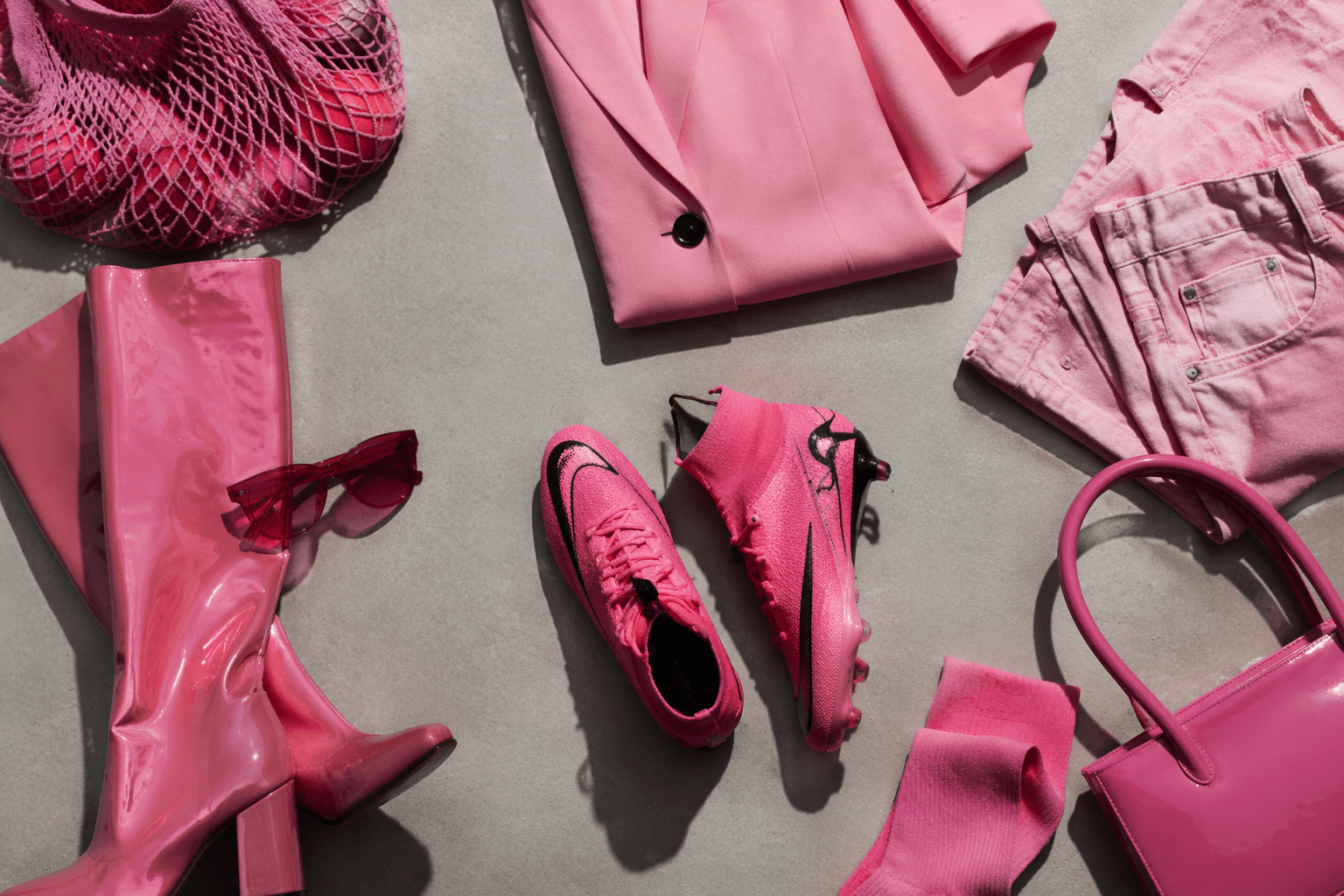
Vintage jerseys score big as World Cup fever fuels style demand
Vintage jerseys are suddenly the chicest summer souvenir, with Manchester City searches at 17,000 a week and Messi shirts up 257 percent.
Vintage jerseys have slipped from stadium souvenir to style shorthand, and the appeal is easy to read: they bring personality, nostalgia and a little wear into wardrobes built on clean lines. As World Cup fever builds, resale-minded shoppers are treating old football shirts like the most relaxed kind of flex, the piece that makes tailored trousers feel less severe and a polished outfit feel lived-in.
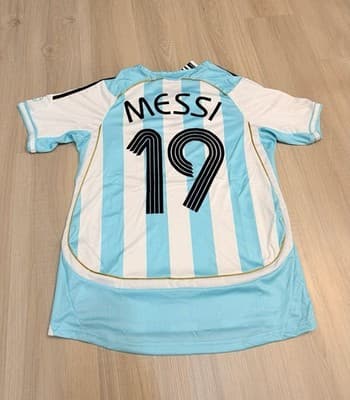
The search numbers tell the story. Manchester City jerseys are generating roughly 17,000 searches a week, while U.S., Japan and Colombia rank among the most searched FIFA team jerseys this year. Interest in Argentina Messi jerseys has surged 257 percent year over year, a sharp reminder that the pull of a great shirt is not just about allegiance, but about the graphic punch of a crest, a sponsor logo and a colorway that already looks broken in.
The World Cup calendar has only amplified that mood. FIFA says the 2026 men’s tournament began June 11 and is being staged across 16 host cities in Canada, Mexico and the United States. It is the first men’s World Cup to feature 48 teams and 104 matches, which gives the competition a longer runway and more chances for football shirts to spill from the pitch into everyday dress.
Brands are leaning into the moment with the same mix of nostalgia and commercial instinct. adidas Originals has rolled out football-culture campaigns and retro-inspired World Cup collections tied to the tournament, while Fanatics has introduced Real Vintage offerings and vintage-focused merch drops. The move makes sense: a jersey with a worn collar and softened jersey-knit has a different energy from a fresh replica, and that slightly faded look is exactly what makes it work with contemporary wardrobes.
The resale market backdrop is even bigger. ThredUp’s 2026 Resale Report projects the global secondhand market will reach $393 billion by 2030, growing twice as fast as the overall apparel market, with Gen Z and Millennials driving more than 70 percent of growth through 2030. Nearly half of shoppers now discover secondhand finds through social media, creators and influencer feeds rather than traditional search, which helps explain why a vintage jersey can look less like memorabilia and more like the most effortless top in the room.

The best way to wear one is with contrast. Half-tuck a faded shirt into tailored wool trousers and let the looseness do the work. Throw it over a bikini with flat sandals for a beach-to-city shift, or pair it with a satin skirt and a neat heel so the sportiness reads intentional, not themed. That balance of polish and nostalgia is why vintage jerseys feel so current right now: they make an outfit look less assembled and more personal.
This article was produced by Prism’s automated news system from verified source data, official records, and press releases, then run through automated quality and moderation checks before publishing. The system is built and supervised by the people who set the standards it runs under. Read our full AI policy.
Did this article answer your question?