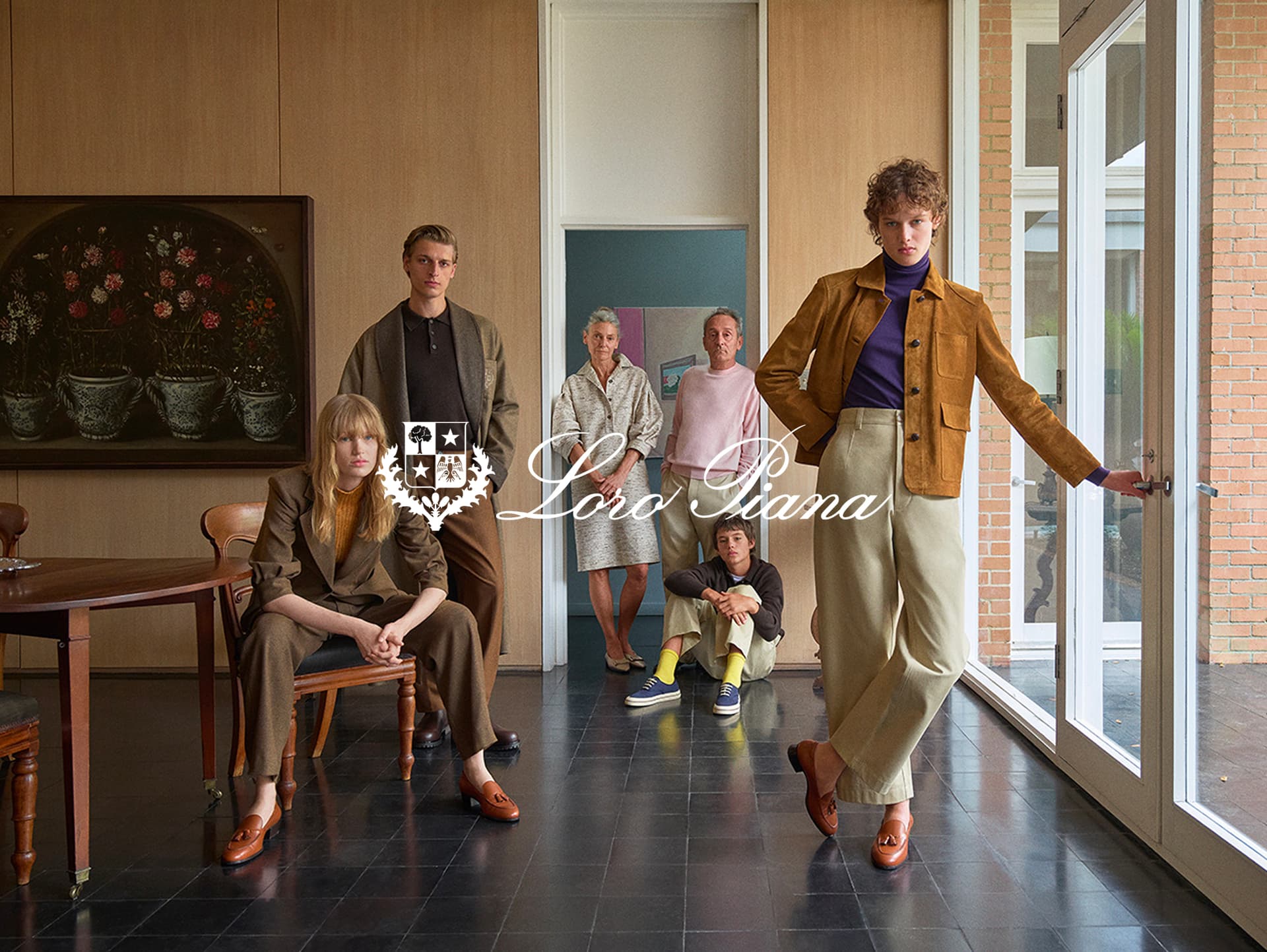
Why the midi dress is summer's effortless style sweet spot
The midi dress is winning because it does three jobs at once: it looks polished, travels well and earns repeat wear beyond the event. Breathable fabrics and simple lines are the reason it keeps coming back.

Even when temperatures climb to 34C, the smartest summer dresses are long, loose and cut in cotton or viscose. The midi dress sits between too casual and too precious: polished without tipping into formality, easy to wear without looking underdone. It moves easily across the parts of summer that usually demand different outfits, then returns next year without needing a new styling rulebook.
Why the midi keeps winning
The appeal is not mystery, it is utility. A good midi gives you coverage, movement and enough structure to feel intentional, which is why it keeps showing up as the middle-ground dress people reach for when a mini feels too bare and a full-length gown feels like too much. ELLE UK's wedding-guest edit: "Forget the one-wear purchase, this season's most stylish wedding guests are choosing dresses that they'll turn to time and time again." A dress that can move from ceremony to commute has a longer life in the wardrobe, and that is exactly what shoppers are looking for.
The strongest versions are simple rather than decorated into submission. Loose linen and cotton midis carry the shape without stiffness, and the best of them rely on a clean line, an easy sleeve or a soft waist rather than ruffles, sparkle or a lot of hard tailoring.
Fabric does the heavy lifting
If the midi is the shape, the fabric is the argument. Harper’s Bazaar UK’s Paris lesson is simple: cotton or viscose, cut to skim rather than cling. That is what makes a longer hemline feel breathable instead of oppressive.
Linen and cotton are the obvious summer choices because they read light and feel cool, but viscose has a place too when the goal is drape. In the midi length, fabric changes everything. A stiff cloth can make the silhouette feel boxy; a softer weave lets it move and keeps the look relaxed enough for daytime without collapsing into loungewear. The best pieces have that slight airiness that makes them just as convincing with sandals at lunch as they are at a summer event.
The French reference point, without the costume
French style still sits at the center of this story, but the useful version is practical, not mythologized. French-girl dressing translates elegance into something repeatable: a dress you can wear often, not a look built for a single photograph. Vogue France still treats French women’s style as a reference point for elegance and fashion inspiration, and the midi is one of the few dresses that can carry that image without feeling like a costume.
The appeal is not in pretending to be Parisian. It is in borrowing the useful parts of the idea: less fuss, more wear, and a silhouette that feels composed from morning to evening. That is why a midi in cotton or linen can read more expensive than something louder.
A dress with fashion history behind it
The midi also benefits from a history that gives it real depth. Britannica traces dramatic changes in the silhouette through the early 20th century and the 1970s, the period that still shapes how mid-length dressing is understood now. The Metropolitan Museum of Art’s Costume Institute collection holds more than 33,000 objects spanning seven centuries.
The 1970s are especially important here. The Met identifies Halston evening dresses from that decade as part of the era’s fashion history, and Diane von Furstenberg’s wrap dress became a sensation in the same period.
Why retailers keep circling back
There is a blunt commercial reason the midi keeps getting renewed across price points. Women’s apparel is the highest-revenue apparel segment in the UK market in Statista’s forecast, and its dresses-and-skirts forecast covers the whole women’s category rather than a niche corner of it. That means the midi sits inside a large, active buying market where brands need clothes that can justify repeat purchase, not just one-time attention.
That is why the category keeps being reworked by high street labels and more premium names alike. The midi offers clear value at every tier: it can be affordable enough to feel spontaneous, or refined enough to feel like a considered buy.
What to wear, what to skip
The easiest midi to wear now follows a simple formula:
- Choose linen, cotton or viscose so the dress moves with heat instead of fighting it.
- Keep the silhouette clean. A simple shape will outlast a trend-heavy version.
- Look for a dress that can handle weddings, holidays and office days without a change of personality.
- Favor a piece you will return to, not a one-off outfit that only makes sense with a single event.
What to skip is equally clear: overworked detailing, heavy fabrics and anything that needs a special occasion to make sense.
This article was produced by Prism’s automated news system from verified source data, official records, and press releases, then run through automated quality and moderation checks before publishing. The system is built and supervised by the people who set the standards it runs under. Read our full AI policy.
Did this article answer your question?