Why the trench coat defines effortless style
The trench coat works because it does the styling for you, with sharp structure, weatherproof ease, and enough cultural weight to make the simplest outfit look deliberate.

A trench coat’s belt, epaulettes, storm flap, and long, body-skimming cut make it fashion’s cleanest shortcut. It covers, sharpens, and never looks overthought, so even a T-shirt and jeans read as intentional. That is why it keeps moving so easily between rainwear, runway, and screen.
What gives the trench its authority
The trench coat was designed to solve a problem before it ever became a style signifier. Thomas Burberry opened his first shop in Basingstoke, Hampshire, in 1856, invented gabardine in 1879, and built the trench around a fabric meant to protect against all weather conditions. The coat’s polish is engineered: gabardine, a structured collar, the belt, the storm flap, and shoulder epaulettes all contribute to a clean line that holds its shape.
The trench’s military evolution took shape in the World War I era, and its first starring role was on the battlefields of World War I, where it kitted out soldiers. The coat is also dated to 1914 and tied directly to British army officers.
Why it reads as effortless instead of fussy
A trench coat makes clothing look finished because it adds structure without adding bulk. The belt creates a waist even over loose layers, while the longer hem protects the body and gives movement to the whole look. That combination of utility and control lets the rest of the outfit stay simple.

The trench is synonymous with elegance and sophistication, and the cultural references explain why. Humphrey Bogart in *Casablanca* gave the coat cinematic gravity. Audrey Hepburn in *Breakfast at Tiffany’s* made it feel poised and urban. Even Winston Churchill belongs in the trench’s visual memory, from wartime practicality to public life to film stills that still shape how people dress.
How to wear it without overthinking it
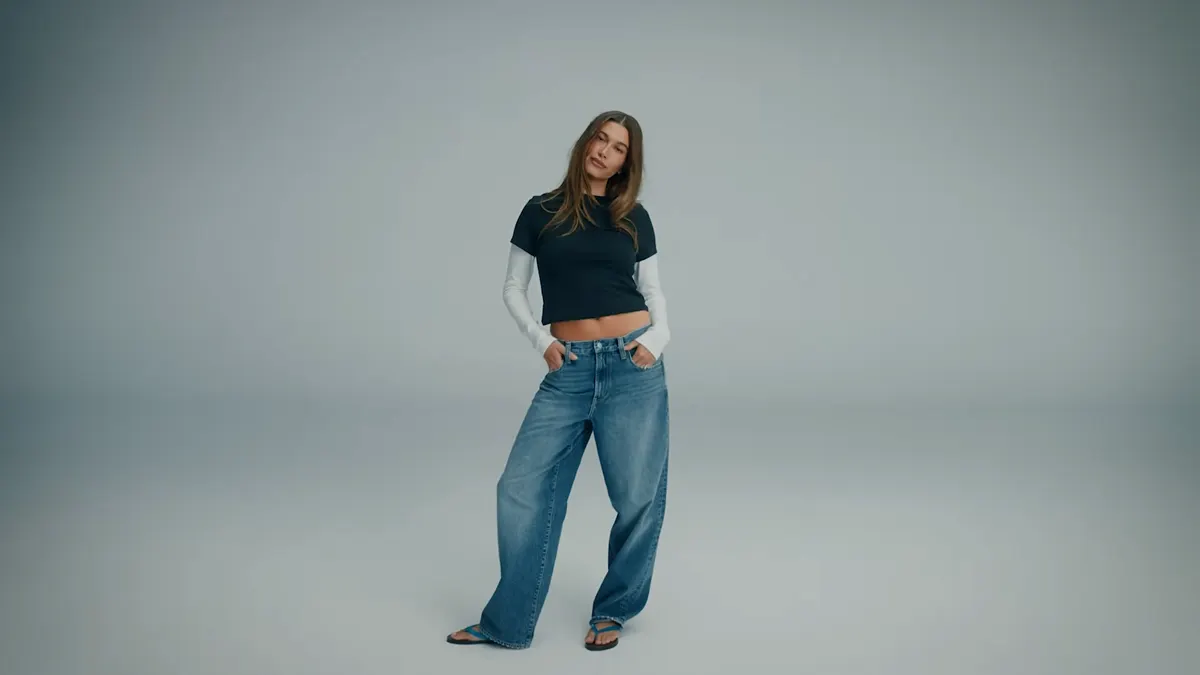
The trench is at its best when it acts as an outfit multiplier. Over jeans and a white T-shirt, it adds enough structure to make the outfit feel considered. Over tailoring, it relaxes the formality and keeps suiting from feeling too severe. Over a slip dress or a column knit, it creates contrast, pairing fluid fabric with a sharper outer shell.
A few formulas never fail:
- Straight-leg jeans, white tee, trench, and clean sneakers for the easiest version of polished casual
- Tailored trousers, a fine-gauge knit, and a trench for a sharper weekday layer
- A slip dress or slim knit dress under a trench for that useful contrast of softness and structure
- Wide-leg trousers and a belted trench to keep volume intentional instead of overwhelming
Neutral shades do a lot of the heavy lifting here. Beige, stone, khaki, and navy layer cleanly through the year and do not compete with what is underneath. That is why the trench sits so comfortably in capsule-wardrobe thinking: it is an ageless fashion staple, and neutrals such as beige, black, white, gray, and navy maximize outfit combinations while reducing decision fatigue.
Why this one coat lasts while others fade
The trench survives trend cycles because it is useful in more than one kind of weather and more than one kind of life. It works in rain, wind, commute weather, and those in-between weeks when a heavy coat feels too much but a blazer is not enough. That range gives it a rare place in the closet: it can be worn like outerwear, but it behaves like a styling device.
The trench has been central to Burberry’s brand story since its inception, and trench coats have been manufactured in Castleford, Yorkshire, for over 50 years.
This article was produced by Prism’s automated news system from verified source data, official records, and press releases, then run through automated quality and moderation checks before publishing. The system is built and supervised by the people who set the standards it runs under. Read our full AI policy.
Did this article answer your question?