2026 Fashion Supply Chains Tighten Costs, Embrace AI, Nearshoring, Traceability
Brands are cutting costs and reshuffling production as tariffs bite, while AI, nearshoring, and traceability become essential tools to protect margins.
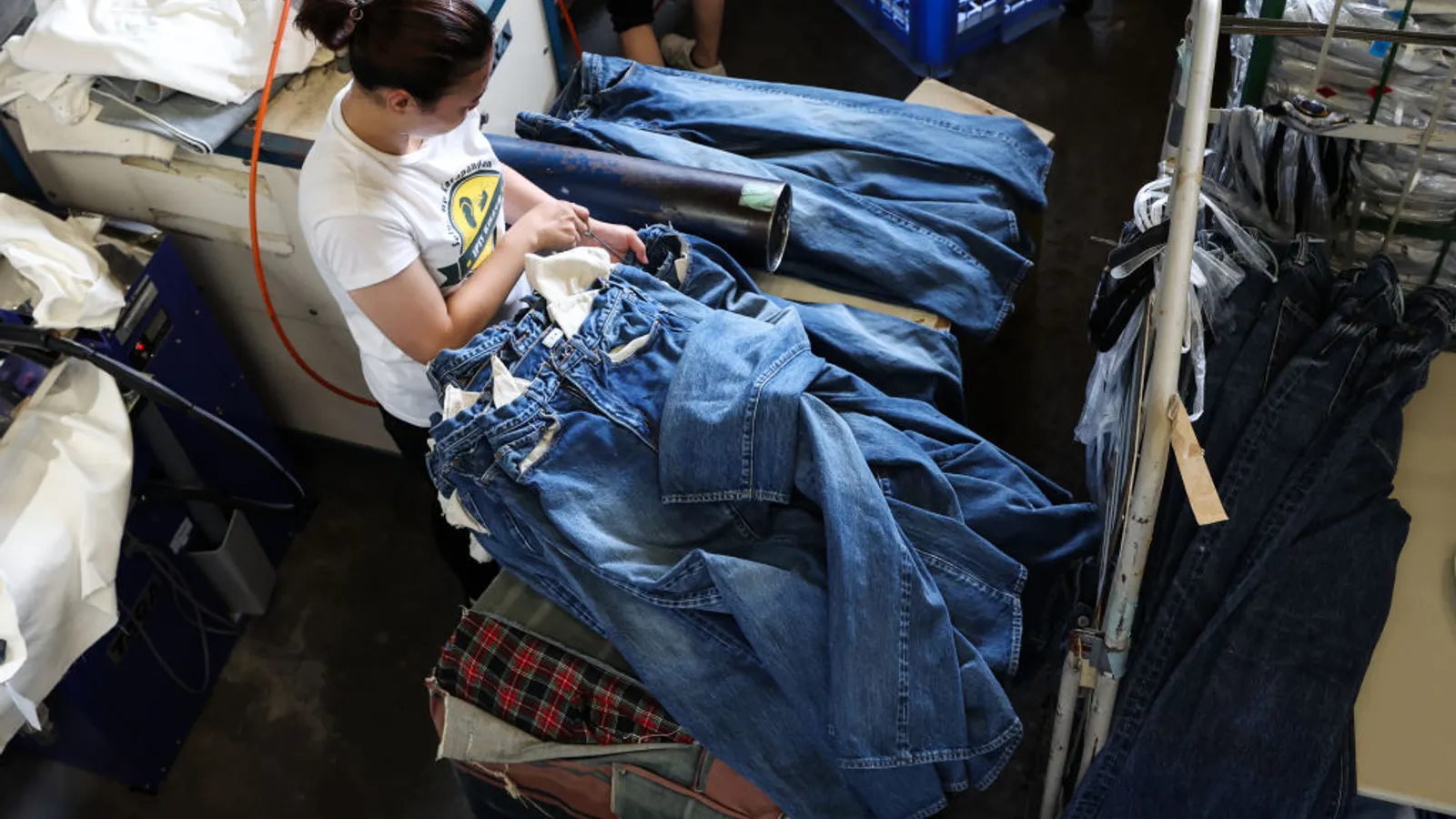
Imagine a showroom where Zegna’s AI-powered clienteling suggests a made-to-order blazer while a back-office system reroutes the fabric order to Ethiopia, and the CFO breathes easier. That practical choreography, cost control at the cutting table, supplier shifts across continents, and AI stitching visibility into every shipment, is what will define fashion’s supply chains this year. I expect some will call it necessary pragmatism; others will call it painful pragmatism. Either way, the consequence is clear: the brands that move fastest on costs, partners, and machine intelligence will be the ones you still see on store racks.
1. Heightened cost-management pressures and tariff/trade risk
More executives are bracing for harder conditions: BoF‑McKinsey’s State of Fashion 2026 survey finds "46% expect conditions to worsen in 2026," and the industry is projected for only low single-digit growth as US tariffs top the list of risks. That tariff turbulence is no abstraction, supply managers are facing unpredictable duties and stricter enforcement that can turn a profitable season into a loss. McKinsey’s blunt appraisal captures the mood: "Consequently, 2026 is likely to be a time of reckoning for many brands." Practically, that means aggressive cost-control measures, renegotiating supplier terms, cutting SKUs, and leaning on predictive mapping to avoid customs penalties, and a renewed focus on margin-first assortment planning as consumers stay value-conscious and trade down.
2. Nearshoring and supplier diversification reshape sourcing geographies
The response to tariffs and rising costs is geographic: brands are diversifying away from legacy hubs while China still represents a meaningful share of imports, OTEXA data shows China accounts for roughly 20% of U.S. apparel import share, but momentum is shifting. Lectra flags Vietnam and Bangladesh as emerging strategic hubs, notes Cambodia and Indonesia are growing orders but lack capacity, and highlights that Indian exports are feeling strain under high U.S. tariffs. Concrete business moves back this up: McKinsey reports Gokaldas Exports, a major India-based manufacturer and supplier to Gap and J.C. Penney, is expanding production capacity into Kenya and Ethiopia to combat tariff exposure. That geographic shuffle creates winners and losers: brands that secure reliable, upgraded suppliers (and help finance those upgrades) will lock in lead times and quality; those that don’t will face capacity gaps and weaker relationships when demand rebounds.
3. AI-enabled efficiencies shift from pilots to business necessity
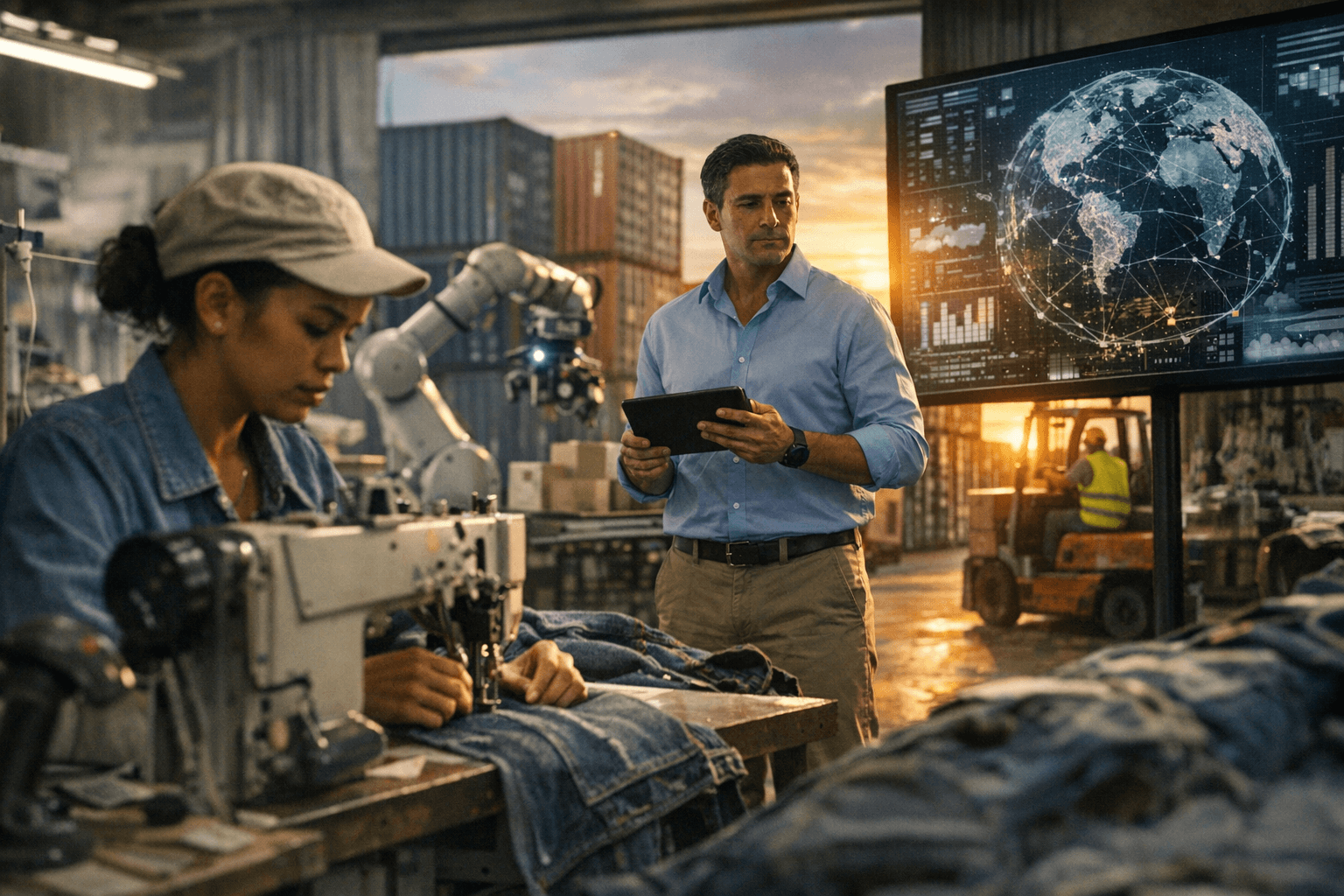
AI has moved from experiment to operational weaponry, BoF‑McKinsey singles out AI as "the #1 opportunity" for 2026, and brands are already applying it across the value chain. Nike uses generative AI for image generation, design and personalization; Pandora relies on AI-driven platforms for real-time demand and assortment planning; and Zegna built an AI-powered clienteling app with Microsoft to consolidate customer data and deliver tailored outreach without replacing human sales interactions. On the technology front, Gartner’s strategic trends spotlight Multiagent Systems that let forecasting, production and logistics agents collaborate, and Domain-Specific Language Models trained on fashion data that outperform generic LLMs for forecasting and inventory optimization. Physical AI, robots, drones and smart devices, promises to accelerate logistics adoption, with Gartner predicting 80% of warehouses will adopt automation by 2028. Vendors selling pattern intelligence estimate rapid payback: Fashioninsta AI reports most brands see positive ROI within 3–6 months and cites $80,000–$200,000+ annual savings for mid-sized operations from reduced labor, faster cycles and fewer physical samples. The implication is simple: invest in DSLMs, agentic systems and physical automation now or risk being outpaced on speed, cost and assortment agility.
4. Traceability, predictive mapping and supplier investment become competitive advantages
Traceability is no longer a brand badge, it’s a commercial defense. AI-driven mapping not only supports sustainability reporting but also "can streamline the customs process by making shipments more easily traceable to avoid fraud, especially as tariff enforcement increases," Santos observed. Brands are pairing those tools with hands-on supplier partnerships: higher costs are prompting companies to help vendors "update facilities and processes to help combat volatility," a move McKinsey says is essential because suppliers often can’t finance upgrades alone. Practical metrics now matter: Fashioninsta AI urges brands to "track pattern creation time, approval cycles, manufacturing delays, and quality metrics" to quantify improvements. The upshot is binary, retailers that pair predictive mapping and traceability with supplier investment will cut duty surprises, shorten lead times and defend margins; those that treat traceability as mere PR will pay higher hidden costs in compliance, delays and lost inventory.
Final note This is not a soft pivot; it’s a strategic reset. Between the 46% of execs expecting worse conditions, the shifting import footprints, Gartner’s warehouse automation horizon, and the real-world brand deployments from Nike to Zegna, the industry is consolidating around a new operating model: tighter cost discipline, geographically diversified sourcing, AI as infrastructure, and traceability as insurance. Expect the next season’s best sellers to come not from the loudest marketing, but from the teams that solved supply-chain friction first, and built the tech and partnerships to keep those garments on time and in margin.
This article was produced by Prism’s automated news system from verified source data, official records, and press releases, then run through automated quality and moderation checks before publishing. The system is built and supervised by the people who set the standards it runs under. Read our full AI policy.
Did this article answer your question?


