Add Color to Your Wardrobe With Steps Editors Actually Use
Most color-shy wardrobes aren't a shopping problem — they're a strategy problem. Five steps, ordered by commitment level, will fix that.
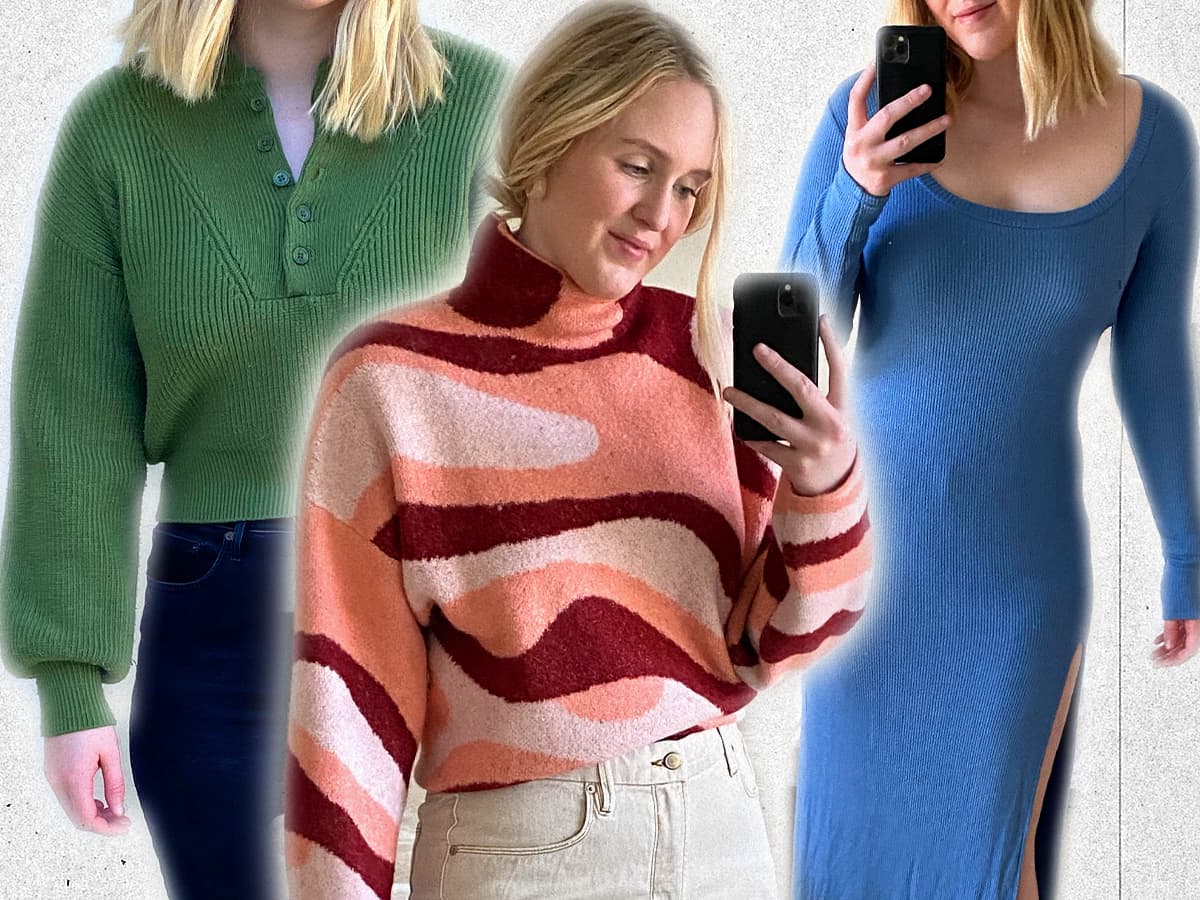
The goal, as OpenWardrobe puts it, is not "more stuff." It's more options from what you already have. That single reframe changes everything about how to approach color. Instead of building a new wardrobe from scratch, the task becomes introducing one hue at a time, starting with the smallest possible risk and expanding only when confidence follows. The steps below move in that exact order: from least commitment to biggest impact.
Start with accessories
Accessories are the perfect training wheels. They're low-risk and instantly make neutral outfits feel intentional. A silk scarf in burnt amber, a structured bag in cobalt, a pair of shoes in forest green — any one of these drops color into a look without altering a single piece of clothing. Accessories provide low-commitment opportunities to experiment with color theory principles and incorporate trending hues into your wardrobe. The math here is simple: Neutral base + one colorful accessory = "put together" with almost no effort.
Before spending anything, do a closet check first. Pull everything out and look for what you already own. Start with one colored accessory (scarf, bag, shoes), then try a colored top with black bottoms. Black is a great base; color looks intentional against it. Choose a muted or deeper version of the color (think forest instead of neon green, wine instead of red).
Try color in a top
Once you've worn the accessory a few times, move the color upward. If you want a noticeable glow-up, put color where it matters most: near your face. This is where the shift becomes visible in photographs, in a meeting, in a mirror. Color near the neckline and jawline affects how your skin reads: it can warm a complexion, brighten eyes, or add contrast where a neutral would flatten. When you have colors in your wardrobe that flatter your skin, hair and eye colors, you'll find that they mix and match nicely because they work with your natural coloring.
The practical constraint: a colorful top only works if you'll actually wear it. The fix is equally practical. Choose a shade that pairs with your most-worn bottoms — jeans, trousers, skirts. That's how it actually gets worn. Most wardrobes revolve around black, navy, gray, cream, camel, and denim. With black: emerald, cobalt, burgundy, crisp pastels. With navy: rust, mustard, blush, forest green, cream. Pick a shade that bridges your existing base and you won't need to rebuild anything around it.
Test a hue through makeup or nails
If committing to clothing feels like too large a leap, there's a smarter shortcut: test the color on your face first. Want to experiment with color without committing to clothing? Try it through makeup or nail polish. If you consistently prefer gold jewelry, start warmer — olive, rust, coral. If you prefer silver, start cooler — lavender, cool blue, icy pink. A swipe of berry lip or a set of deep emerald nails tells you exactly how a color reads against your actual skin tone before you've purchased a single garment. It's a quick "test drive" that helps you learn what undertones flatter you most. For jewelry, start with your best metal, gold or silver, then spread into your palette colors. Clean out your makeup drawer and make sure your options are in alignment with your palette.
Small beauty updates also serve as the lowest-cost version of trend participation. As one stylist puts it, just tweaking the color of a top you're wearing can change the way you look and feel — and that logic applies to a lipstick just as well as a blouse.
Layer color in
The fourth step — and the one most editors quietly rely on — is adding color through layers. Think of color as an accent, not a full outfit overhaul. A caramel-colored cashmere cardigan over a white tee, a cobalt blazer over a grey rollneck, a terracotta overshirt tied at the waist above black trousers: none of these require a new outfit, just a new outer piece. The formula holds: Neutral base + one colorful accessory = "put together" with almost no effort. Scale that up to a layer and you get a parallel truth: Neutral base + colored layer + neutral shoes = polished, repeatable.
Layering is also where capsule-wardrobe thinking pays off. Start small with colorful accessories or layering pieces like cardigans or scarves, and use the color wheel to find complementary colors that pair well with your existing wardrobe. Incorporate one new hue each season to build confidence with color.
Experiment with prints
If solid color still feels too bold, prints are the bridge. A plaid that includes one warm tone alongside its neutral ground. A floral where the background is ivory and the blooms are a deep dusty rose. A stripe where navy and cream carry a thin line of rust. Incorporating patterns into your wardrobe can significantly enhance your look by adding visual interest and depth to your ensembles. Patterns such as florals, stripes, polka dots, or geometrics can break up solid blocks of color, making an outfit more dynamic and lively.
The key is letting the print do the mixing for you. Pull out what you already own before shopping. You might be surprised at what's already there — a great pair of leopard print pants, a plaid scarf that pairs perfectly with a simple black dress. Start styling those pieces to see what works, and you'll quickly identify any real gaps versus impulse wants. If you have a capsule wardrobe, consider building out a complementary colorway or adding a print that works with the key pieces you already own. Classic styles in neutral colors form the foundation; prints and color are how you develop something that feels distinctly yours.
Two outfit formulas worth repeating
OpenWardrobe recommends picking one formula and repeating it for a week. That's how color becomes easy. Two formulas that work consistently:
- Neutral base + one colorful accessory: The lowest-effort entry point. White shirt, grey trousers, burgundy loafers. Done.
- Neutral base + colored layer + neutral shoes: A step up in visibility without sacrificing versatility. Cream trousers, white tee, deep green blazer, tan mules.
Both can rotate through your existing wardrobe without requiring new purchases. The point isn't novelty. It's repetition until the formula becomes instinct.
Do a closet audit before you shop
The most common mistake in adding color is treating it as a shopping project when it's actually an editing project. Go through your wardrobe and pull similar colors and pieces you already own. See how far you can go creating trend-inspired outfits without purchasing anything. Then, figure out the gaps and focus on finding only those exact pieces.
A useful filter: eliminate anything you can't style in at least two distinct ways with your existing wardrobe, or anything you can't picture wearing for the next several seasons. The average consumer only wears about 20% of their wardrobe regularly, and the primary reason for items bought but never worn is a color mismatch. The solution isn't more color — it's better-chosen color that integrates with what's already there.
Know when to opt out
Not every season's palette deserves a place in your rotation. You don't have to overhaul your entire wardrobe every season to feel fresh and stylish. Small updates go a long way. If a trending color does nothing for your complexion or clashes with the pieces you reach for most, the right move is to skip it. A scarf or handbag in a fall shade like burgundy or deep green can satisfy the urge to engage with a seasonal palette without locking you into anything permanent. Even switching to a richer lipstick or nail polish color can give you the feeling of being on-trend without the cost or commitment of new clothes.
You don't have to have a million colors in your wardrobe. In fact, you don't want that at all. Too many colors will feel overwhelming and confusing. Instead, choose colors strategically — ones that make you happy to wear them and that mix and match well with your natural coloring.
The editors who wear color best aren't the ones who buy the most of it. They're the ones who know which single hue does the most work — and they wear it until wearing it feels like nothing at all.
This article was produced by Prism’s automated news system from verified source data, official records, and press releases, then run through automated quality and moderation checks before publishing. The system is built and supervised by the people who set the standards it runs under. Read our full AI policy.
Did this article answer your question?


