Build a Capsule Wardrobe Step by Step, From Audit to Final Outfit
Twelve items, 72 outfits: the math behind a capsule wardrobe is deceptively simple, but the real work starts with a brutal closet audit.
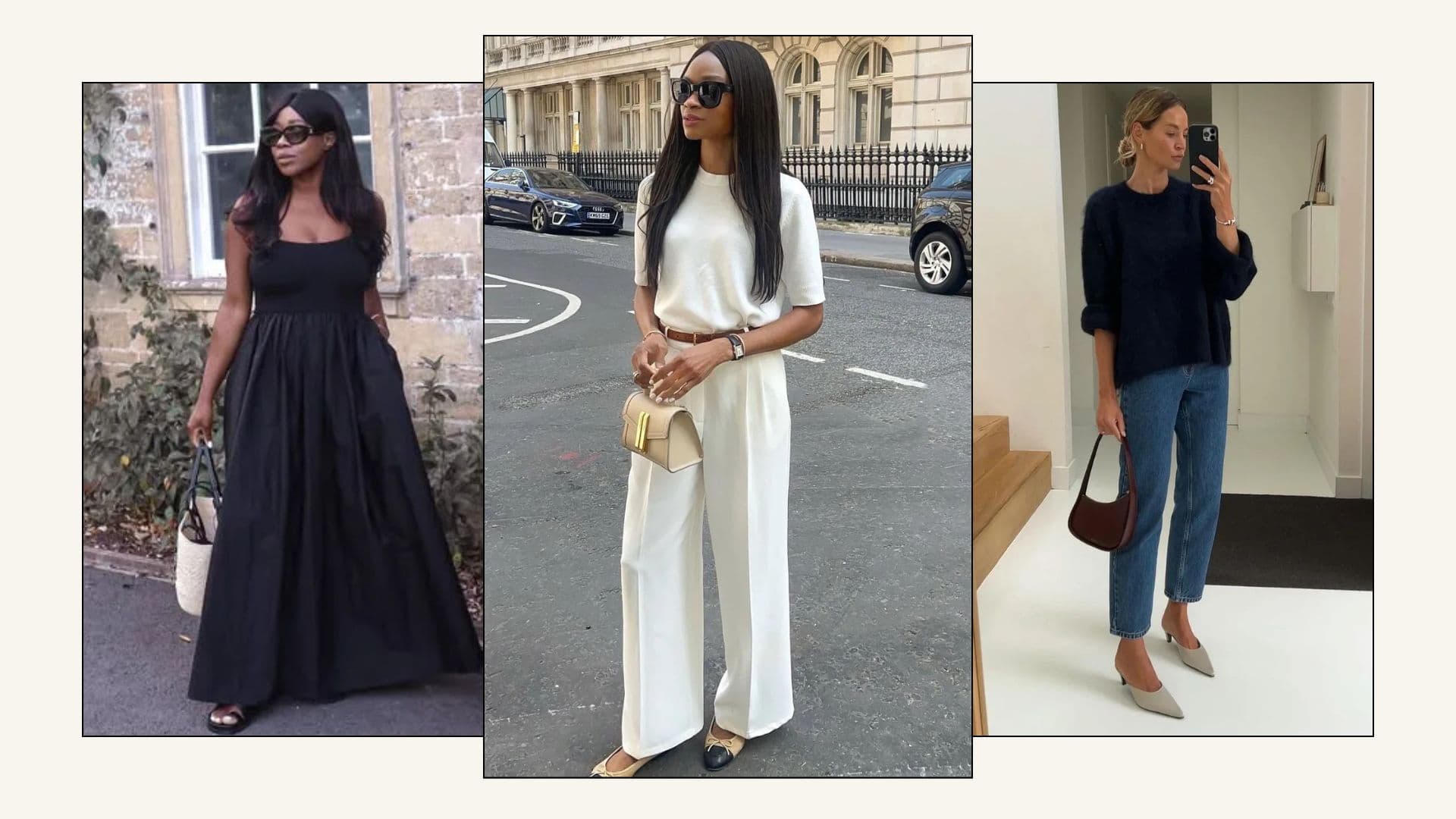
Most wardrobes don't fail for lack of clothes. They fail for lack of intention. A capsule wardrobe fixes that by doing something radical: it asks you to stop accumulating and start curating. As Freetobreathefashion puts it, "a capsule wardrobe is a curated collection of essential, interchangeable clothing items that can be worn together to create a variety of outfits. The goal is to maximize your options with a minimal number of pieces." The process is surprisingly disciplined, and it begins long before you buy a single thing.
Start with the audit
Pull everything out. Every item on the rail, every forgotten piece at the back of a drawer. The first move in building a capsule wardrobe is the one most people skip: a genuine audit and declutter. Go through your existing clothes and pull out items you love and wear regularly. Donate or sell anything that doesn't fit your new vision. This is not a vague tidying exercise. It is an act of editorial judgment. What you keep should earn its place by virtue of fit, frequency of wear, and the feeling it gives you when you put it on.
Define the purpose before you define the pieces
Before you think about specific garments, think about what you need your wardrobe to do. A capsule built for a remote-working creative life looks nothing like one built around a client-facing corporate schedule, and neither resembles a travel capsule designed to live in a carry-on for two weeks. Defining the purpose of your capsule, whether that's work, travel, weekend, or some layered combination of all three, is what separates a thoughtful wardrobe from a random collection of nice things.
This step also requires honesty about how you actually live. Theevergreenwardrobe's approach is usefully concrete here: "estimate the percentage of time you spend on work, exercise, rest, errands, creative projects, and other activities in a typical month. Your wardrobe should serve your real rhythm." If you spend sixty percent of your time in relaxed, home-based work and forty percent running errands and seeing friends, a wardrobe weighted toward formal separates will never feel right, no matter how beautiful the individual pieces are.
Build your personal color foundation
Color is where capsule building gets genuinely personal, and where the most systematic thinkers get the most mileage. The Theevergreenwardrobe method begins with what it calls determining your general coloring: "Start with your overall color direction. Look at your natural features in daylight and note whether you lean warm or cool, light or dark, and soft or bright. This gives you a starting point before refining your palette."
From there, the approach moves toward something more specific: finding your ten signature tones based on your natural coloring. The logic is precise. "Each color connects to a feature on your face or body, like the tones in your skin, lips, eyes, or hair. Together they form your personal palette and create harmony in everything you wear." Once those ten tones are identified, you use them to define a core color palette that guides your entire wardrobe: "Pull together the shades you wear best all year. Use your ten personal colors to guide neutrals, accents, and contrast. This palette becomes the root system of every capsule you build."
For beginners, a simpler version of this question still applies: what colors do you actually reach for? What flatters you in natural light? The answer to those questions should govern your shopping list far more than whatever neutral is trending this season.
Know your body and your silhouettes
Understanding your body shape informs which silhouettes to prioritize, but the more actionable question is about pattern recognition in your own getting-dressed habits. The Theevergreenwardrobe framework puts it this way: "Identify outfit shapes that feel like you. Look for patterns in what you reach for and what you repeat. These become your go-to outfit formulas, the shortcut to feeling put together." If you always reach for a relaxed trouser over a fitted skirt, that's data. If you never actually wear the structured blazer you keep buying because it photographs well, that's data too. Your outfit formulas are already inside your existing wardrobe; the audit will surface them.
Articulate your style in words
One of the more underrated steps in building a wardrobe that actually holds together is naming what you want it to feel like. Theevergreenwardrobe calls these your Evergreen Style Words: "Choose words that describe how you want to feel in your clothes. These are your Evergreen Style Words, your constants across every capsule. They come from your personality, energy, and values, not from trends." Three to five words, chosen honestly, become a filter for every purchase decision. A blazer that doesn't fit at least two of your style words probably shouldn't make the cut, regardless of how good the sale price is.
Beyond those constants, there's also room for what Theevergreenwardrobe calls the Sunlight layer: "Collect the visuals that inspire you, such as specific aesthetics, eras, or moods. This is your Sunlight layer, the expressive side of your style that brings your wardrobe to life." Think of it as the personality that sits on top of your foundation, the moodboard that stops your capsule from feeling like a uniform.
Factor in fabric and care
This step is small but decisive. "Notice your comfort and care habits. What fabrics feel best on your skin? How much laundry effort do you enjoy? These small preferences make the difference between clothes you love and clothes you avoid." A dry-clean-only coat that sits unworn because you never get around to dropping it off is not a capsule piece, whatever its quality credentials. A wardrobe built around fabrics you actually want to wear and can realistically maintain is worth far more than one built around aspiration.
The capsule math that makes it work
Here is where the logic becomes genuinely convincing. Consider a starter capsule of just 12 pieces: 4 tops, 3 bottoms, 2 layering pieces (blazers or cardigans), and 3 pairs of shoes. Multiply those categories together: 4 x 3 x 2 x 3 = 72. That is 72 distinct outfit combinations from a dozen items, assuming the pieces are chosen to be fully interchangeable. You can mix and match tops with bottoms, add a layering piece, and change your shoes to completely transform the look. The number is not a trick; it is the payoff for choosing everything intentionally.
The core basics that anchor most starter capsules include a white tee, tailored trousers, a blazer, a versatile skirt, and a neutral coat, though any capsule built around your specific color palette, lifestyle, and silhouette preferences will refine that list considerably.
Identify gaps, then shop with discipline
Once you have completed the audit, clarified your purpose, palette, and silhouettes, and done the capsule math, the gap between what you own and what you need becomes visible and specific. Create a list of high-quality items you need to complete your capsule. Then, when you do buy, focus on quality, versatility, and fit. Look for neutral colors and classic cuts that will work well with everything else you own. This is not a prescription for beige minimalism; it is a prescription for coherence. Every new purchase should have at least three existing partners in your wardrobe already.
Build modularly so the wardrobe grows without crowding
The most sophisticated version of the capsule wardrobe is not a single fixed set of pieces but a modular system that expands deliberately over time. "Each capsule builds on the last, creating one wardrobe that feels complete without ever feeling crowded." A work capsule and a weekend capsule share key neutrals and layering pieces; a travel capsule draws from both. The vocabulary stays consistent, even as the expressions of it shift between contexts.
That coherence, built from a shared color root system, a consistent set of style words, and pieces chosen for their ability to work across multiple outfits and occasions, is what makes a capsule wardrobe feel effortless rather than restrictive. The constraint is the point. Fewer decisions, better outcomes, and a closet that finally reflects who you actually are rather than who you thought you might become when you bought that thing three years ago.
This article was produced by Prism’s automated news system from verified source data, official records, and press releases, then run through automated quality and moderation checks before publishing. The system is built and supervised by the people who set the standards it runs under. Read our full AI policy.
Did this article answer your question?


