Caraluna’s Sardinia store drives destination-led fashion partnerships
Caraluna is turning a Sardinian resort shop into a mood board for summer escape dressing. The collabs skew artisanal, sun-faded, and made to feel like souvenirs you actually keep.
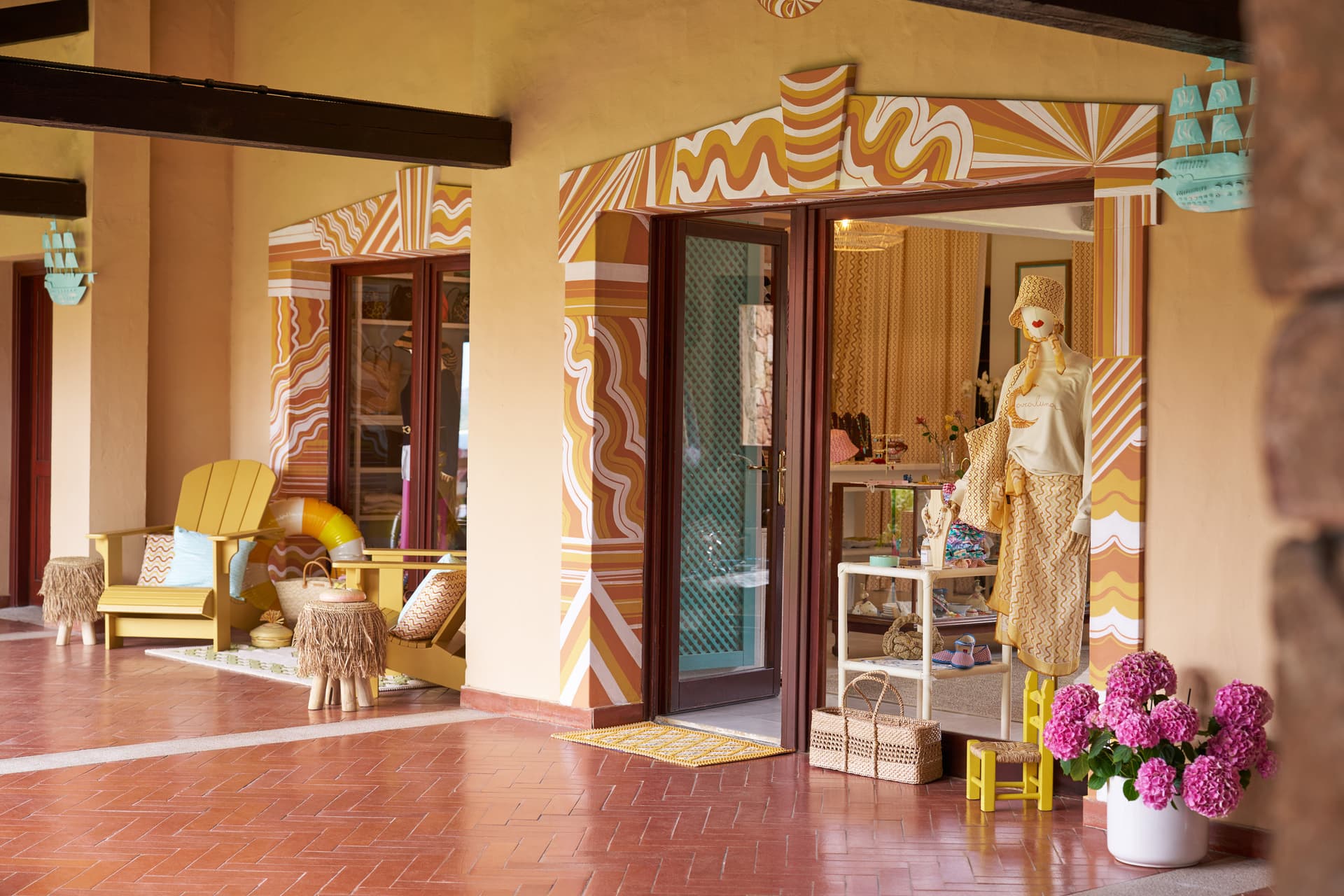
Caraluna turns the resort store into the main event
Caraluna is not treating Sardinia like a backdrop. It is making the island the point, and that is exactly why the store’s collaboration-heavy season feels sharper than the usual resort-retail fluff. Set inside Due Lune Puntaldia Resort & Golf in Puntaldia, near San Teodoro, the concept store launched by Carolina Fumagalli is built around a simple but potent idea: destination dressing should feel tied to a place, not just worn in one.
That is the shift worth watching. Instead of chasing broad seasonal trend language, Caraluna leans into a more specific summer fantasy, one rooted in myrtle, ceramics, salt water, and the kind of sun-bleached luxury that looks effortless only because every piece has been considered. The store describes itself as a lifestyle and travel concept store inspired by Due Lune, and that framing matters because it turns shopping into part of the trip itself.
A store that sells a place, not just product
Fumagalli says Caraluna was born from an aesthetic vision cultivated between Milan, Sardinia, and the world, and that lineage shows in the mix. This is not a generic beach boutique loaded with obvious straw bags and logo tees. It is a curated world built around craftsmanship, sustainability, and unique pieces that become memories, which is a far more seductive promise than simple seasonal novelty.
The store’s own language is telling. Caraluna calls itself a love letter to the moon, while also describing the first store in Puntaldia as living among myrtle scents, ceramics, and salt water. That is a clear signal to shoppers: the mood is not polished city luxury, but a softer, more tactile kind of elegance, where the best pieces feel collected rather than merchandised.
Why the collaborations work right now
This summer, Caraluna is collaborating with Luisa Beccaria, Cabana, and Ilio Smeraldo, and each name adds a different texture to the store’s vocabulary. Luisa Beccaria brings the kind of romantic, floaty femininity that fits naturally into a Mediterranean setting, while Cabana adds a more editorial, design-forward layer. Ilio Smeraldo pushes the story toward craftsmanship and local sourcing, which keeps the whole thing from slipping into decorative tourism.
That trio is smart because it maps onto what shoppers are actually gravitating toward in vacation fashion now: pieces that feel artisanal, place-specific, and easy to style without looking effortful. The appeal is not just “what can I wear on holiday?” It is “what can I buy that still makes sense when I am back home and the trip is over?”
Cabana brings the collectible home vibe
Cabana is a biannual interiors and decorative arts magazine, and it also runs Casa Cabana, its in-house homewares line. That makes it a particularly interesting partner for Caraluna, because it pulls the store beyond fashion and into the wider world of tabletop objects, decorative accents, and collectible design. In a summer retail mix, that translates to the kind of pieces people buy because they want their apartment, terrace, or hotel room to feel like the trip lasted longer.
Caraluna’s shop currently listing Cabana Magazine n25 is a small detail with a big message. It says the store is thinking like a cultural curator, not just a retailer, and that the “vacation” customer wants reading material, objects, and wardrobe pieces that all belong to the same aesthetic universe. That is the new luxury shorthand: less status flex, more atmosphere.
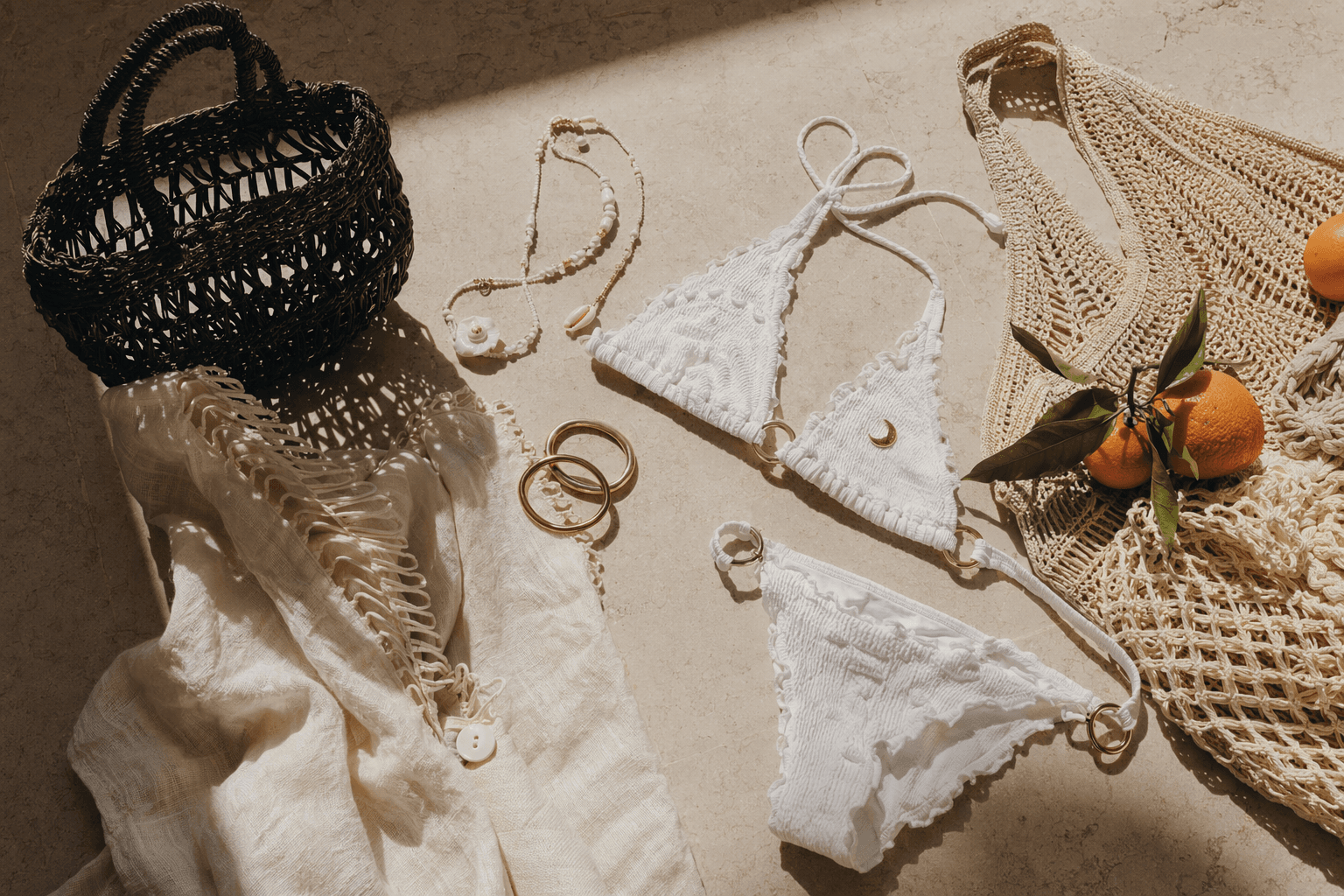
Ilio Smeraldo keeps it artisanal and local
Ilio Smeraldo says it is presenting its second collection and works with a network of creators, fashion insiders, and influencers. That combination sounds very now, but the important part is the brand’s emphasis on Italian artisanship and locally sourced materials. In a market full of polished resort branding, that kind of material honesty is what gives the product actual gravity.
This is where the Caraluna model gets interesting for fashion watchers. The store is not just importing a mood into Sardinia; it is helping define a wardrobe built from the island’s own visual logic. Expect more emphasis on pieces that feel handmade, rooted in place, and slightly rare, the kind of item that reads as a souvenir only if your idea of a souvenir has gotten much better.
What the shopper is really being sold
The clearest clue to Caraluna’s direction is on its own product pages, where it lists ongoing tie-ins like Cabana Magazine n25 and a Marina Rinaldi by Teresa Maccapani item. That mix of publishing, fashion, and design says a lot about where luxury retail is heading: less rigid category lines, more curated cultural mix. You do not just buy a garment; you buy into a whole travel-state aesthetic.
- airy, romantic silhouettes that move easily from beach dinner to town
- artisanal textures that feel handmade, not machine-perfect
- object-like accessories and home pieces that double as mementos
- a softer palette shaped by sun, stone, salt, and sea rather than hard-bright trend colors
For readers tracking what this means on the floor, expect more of the following:
The important thing is that none of this feels like trend forecasting for trend’s sake. Caraluna is showing how destination retail can become a style engine when it is built around a specific place and a clear point of view.
The bigger fashion signal
Caraluna’s Sardinia store points to a broader reset in luxury shopping: the strongest collaborations are no longer just about logos or reach, but about atmosphere. The brands that matter here are the ones that can make a customer feel like they are stepping into a world, not a checkout line.
That is why this season’s Caraluna partnerships land so well. They are not just collaborations; they are coordinates for a summer wardrobe that wants to feel collected on the road, polished without stiffness, and tied to a place enough that you remember it every time you wear the piece again.
This article was produced by Prism’s automated news system from verified source data, official records, and press releases, then run through automated quality and moderation checks before publishing. The system is built and supervised by the people who set the standards it runs under. Read our full AI policy.
Did this article answer your question?


