Central Saint Martins graduates spotlight color, protest and craft
Central Saint Martins’ latest graduates turned Peckham Levels into a forecast for next season, where protest, memory and craft felt sharper than trend-chasing.
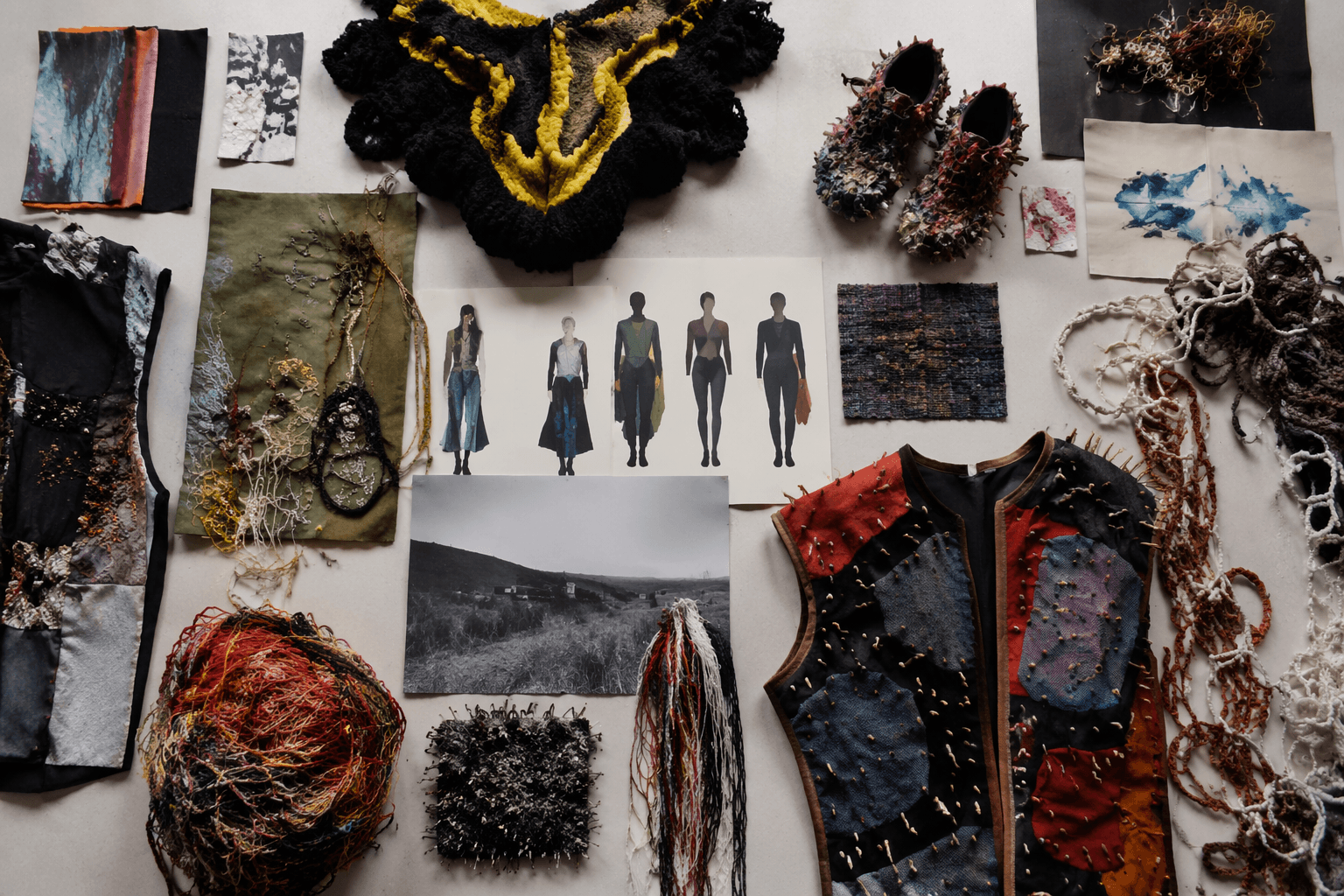
Central Saint Martins turned Peckham Levels into a forecast board for where fashion is headed next, and the readout was unmistakable: color, protest and craft are back at the center. At the June 5 BA Fashion show, 40 final-year students each sent out six looks, about 240 in all, in collections shaped by science fiction, 19th-century ribbon samples, technology and memory.
A new room for a familiar rite
The 2026 BA show was the first to leave Granary Square in 15 years, taking over Peckham Levels, the former 1980s multi-storey car park in South London. The move did more than change the backdrop. It gave the work a little grit, a little more electricity, and a sense that the next generation was not being framed inside a polished campus box but set loose in a living part of the city.
Guests voted for their favorite collections, too, with no celebrity judges in sight, which made the room feel less like a spectacle of approval and more like a real test of what landed. The show also welcomed a larger audience than usual, a reminder that Central Saint Martins is never just staging a student presentation. It is staging the moment before a wider fashion conversation begins.
Color, pattern and protest
What stood out across the class was not any single silhouette, but the way visual language doubled as argument. WWD’s curation of six designers to watch caught that shift well: this year’s class tapped into community, and the strongest work leaned into color, pattern and protest without turning any of those things into costume.
These were clothes with point of view, whether they translated family memory, city life or political upheaval into texture, surface and cut. The recurring signals were clear enough to read as an industry mood. Craft mattered, but so did noise. Pattern was not merely decorative, and silhouette was not simply flattering. Each became a way to hold a story in place.
Polina Kadilnikova’s Casualties
Polina Kadilnikova, a BA Fashion Design: Womenswear graduate born in Kharkiv and raised in Kyiv, won the L’Oréal Professionnel Young Talent Award for Casualties. The collection is rooted in the present tense of the Russo-Ukrainian war, using imagery from occupied territories to think through loss, nostalgia and identity.
That emotional register gave the work its force. This was not protest as slogan, but protest as intimate witness, with clothing carrying the weight of displacement and the stubbornness of selfhood. In a season full of conceptual flourishes, Kadilnikova’s work cut through because it treated fashion as a record of lived fracture.
Cameron Bisseck and Arora Nielson, city identities in motion
First runner-up Cameron Bisseck turned to Ridley Road market and built new visions of Black femininity, womanhood and culture from that crowded, changing landscape. The work felt rooted in street life without becoming documentary, using the market as a social engine rather than a backdrop. It had the energy of clothes made for being seen, but also for being claimed.
Second runner-up Arora Nielson brought knitwear to the same level of cultural reading, drawing on growing up in North London and the city’s “melting pot” to make a case for knit as identity, not just comfort. Together, the two collections suggested that one of the season’s strongest ideas is community as design language: lived-in, layered, and deeply specific.
Menswear turns memory into material
WWD’s menswear eye was equally attentive to emotional specificity. Yuki Naka anchored his work in family letters and his grandfather’s yellow sweater, then pushed those memories into the physical world through soapy loofahs and soap-like forms that made recollection feel oddly touchable. The result was tender but not nostalgic, as if memory had been handled, shaped and washed into something new.
Finlay Maguire, meanwhile, explored English taste through tailoring, print and the domestic craft objects found in his grandfather’s house, giving his work a quietly subversive polish. Harvey Bigg and Shane Elias rounded out a cohort that proved menswear here is less about one neat thesis than about many ways of handling heritage, humor and surface. Matteo Dunkley also emerged as a name to watch, with a knitwear direction that shifted late in the process, a reminder that at Central Saint Martins the sharpest ideas often arrive through correction rather than certainty.
Why Central Saint Martins still matters
This is why the BA show keeps its status as fashion’s early-warning system. The school says its graduates have gone on to shape fashion at the highest level, with John Galliano, Daniel Lee, Stella McCartney, Tolu Coker and Grace Wales Bonner all part of the lineage that makes the room feel historically charged before the first look even hits the floor. That is the real context for the collection of sixes, the 40 students, the 240 looks and the audience voting with its own instincts.
The undergraduate presentation also sits within University of the Arts London’s broader 2026 graduate season, and the MA Fashion show earlier in the year at 180 Strand, presented as part of the official London Fashion Week schedule, underlined how tightly the school is woven into the industry calendar. What this year’s collections forecast is not a single fad but a mood: a return to tactility, to pattern with purpose, to silhouettes that carry memory instead of erasing it. In a fashion climate shaped by AI, impostors and uncertainty, Central Saint Martins answered with garments that felt handmade, specific and alive, which is exactly why the wider industry will be watching closely.
This article was produced by Prism’s automated news system from verified source data, official records, and press releases, then run through automated quality and moderation checks before publishing. The system is built and supervised by the people who set the standards it runs under. Read our full AI policy.
Know something we missed? Have a correction or additional information?
Submit a Tip