Chanel attracts first-time shoppers as Blazy revives demand, revenue rises 2%
A slouchy $8,500 flapbag and mint-green pumps helped Chanel pull in first-time buyers, a rare bright spot as luxury cooled and demand outran supply.
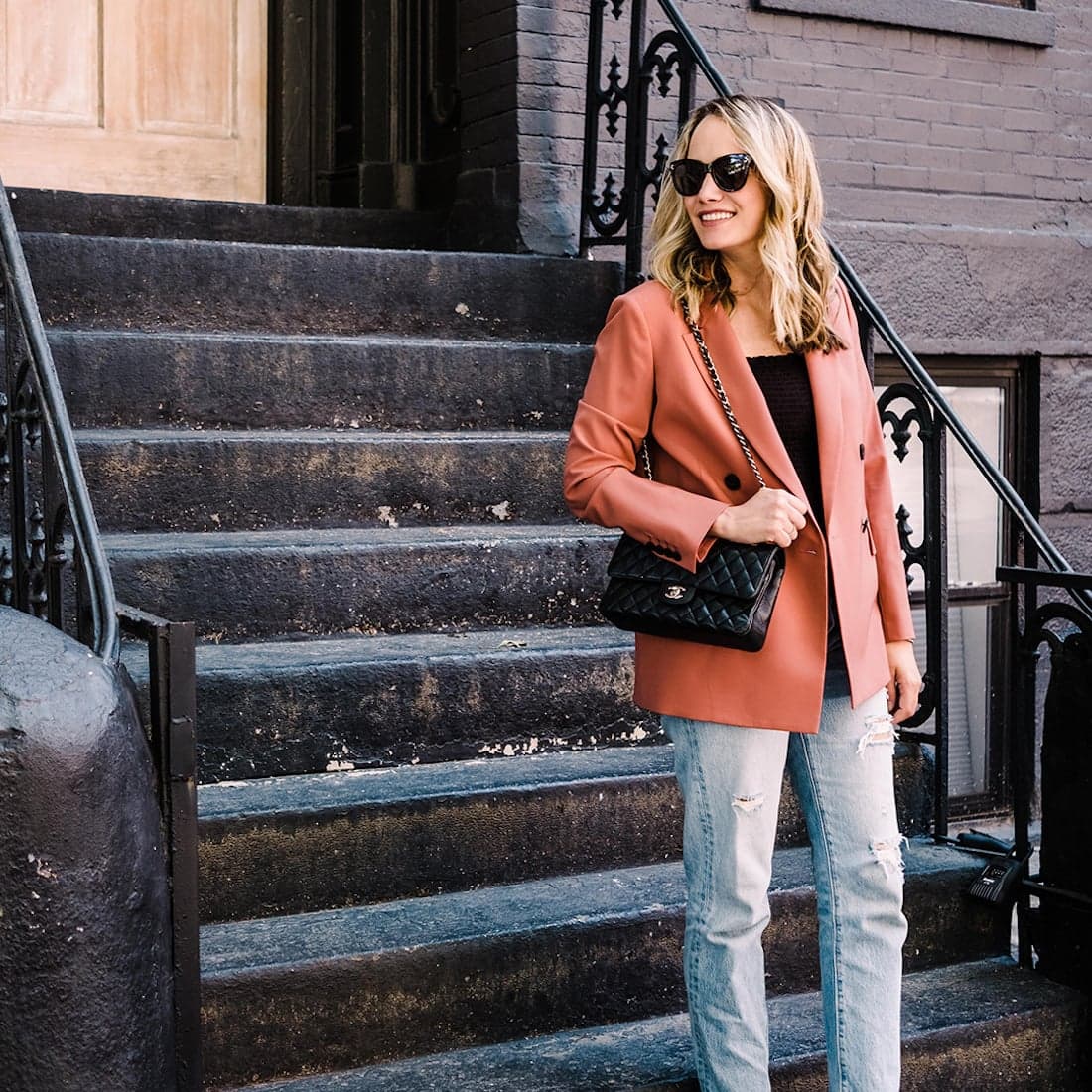
A slouchy leather maxi flapbag, priced at $8,500, became the kind of object that does more than sell handbags. It pulled Chanel back into growth by bringing in shoppers who had never bought the brand before, a rare flex in a luxury market that has spent the past year punishing houses that pushed prices too far and moved too little product.
Chanel said 2025 revenue rose 2% in currency-adjusted terms to $19.3 billion, while operating profit increased 5% to $4.712 billion and free cash flow jumped 44% to $2.646 billion. The house also said it invested $2.395 billion in brand activities, opened more than 40 boutiques across Japan, Mainland China, the Middle East and Mexico, and continued spending on its global headquarters in London and a new fragrance manufacturing facility in France.

The real shift came at the product level. Matthieu Blazy, who took over from Virginie Viard and presented his first Chanel collection in October 2025, sharpened the house’s codes instead of scrambling them. The early wins were the pieces that looked familiar from a distance but felt fresher in the hand: that roomy flapbag, bright frayed tweed jackets with a looser, more alive finish, and two-tone pumps in mint green and black at $1,450. The message was clear enough to read on the sales floor: Chanel could still feel like Chanel without feeling sealed off from new buyers.

That mattered because 2024 had been rough. Revenue fell 4.3% to $18.7 billion and operating profit dropped 30% to $4.479 billion as luxury cooled after the post-pandemic price surge. In 2025, Chanel still raised prices by 3% overall and 2% for fashion products, and it plans similar increases in 2026. But Blazy’s cleaner, more tactile update seems to have given shoppers a reason to accept the sticker shock instead of walking away from it.
Leena Nair said the 2025 performance was driven by “creative momentum” and that the investments made in 2024 laid the foundations for the rebound. Simon Longland, Harrods’ fashion buying director, called recruitment of new Chanel clients “phenomenal,” and demand has outstripped supply enough to become part of the brand’s appeal again.
The regional picture was uneven, which is exactly why the result stands out. The Americas drove most of the growth, with sales up 7.2% in currency-adjusted terms. Europe rose 2.5%. Asia-Pacific, Chanel’s biggest region, slipped 0.8%. Still, the combination of sharper product, new buyers, and disciplined expansion suggests Blazy did what every major luxury house wants and almost none manage: make the code feel expensive again without making it feel closed.
This article was produced by Prism’s automated news system from verified source data, official records, and press releases, then run through automated quality and moderation checks before publishing. The system is built and supervised by the people who set the standards it runs under. Read our full AI policy.
Did this article answer your question?


