Chanel ballet flats return as fashion’s most enduring staple
Chanel’s ballet flat keeps circling back because it balances polish and ease, and the same design cues still shape today’s flats at every price.
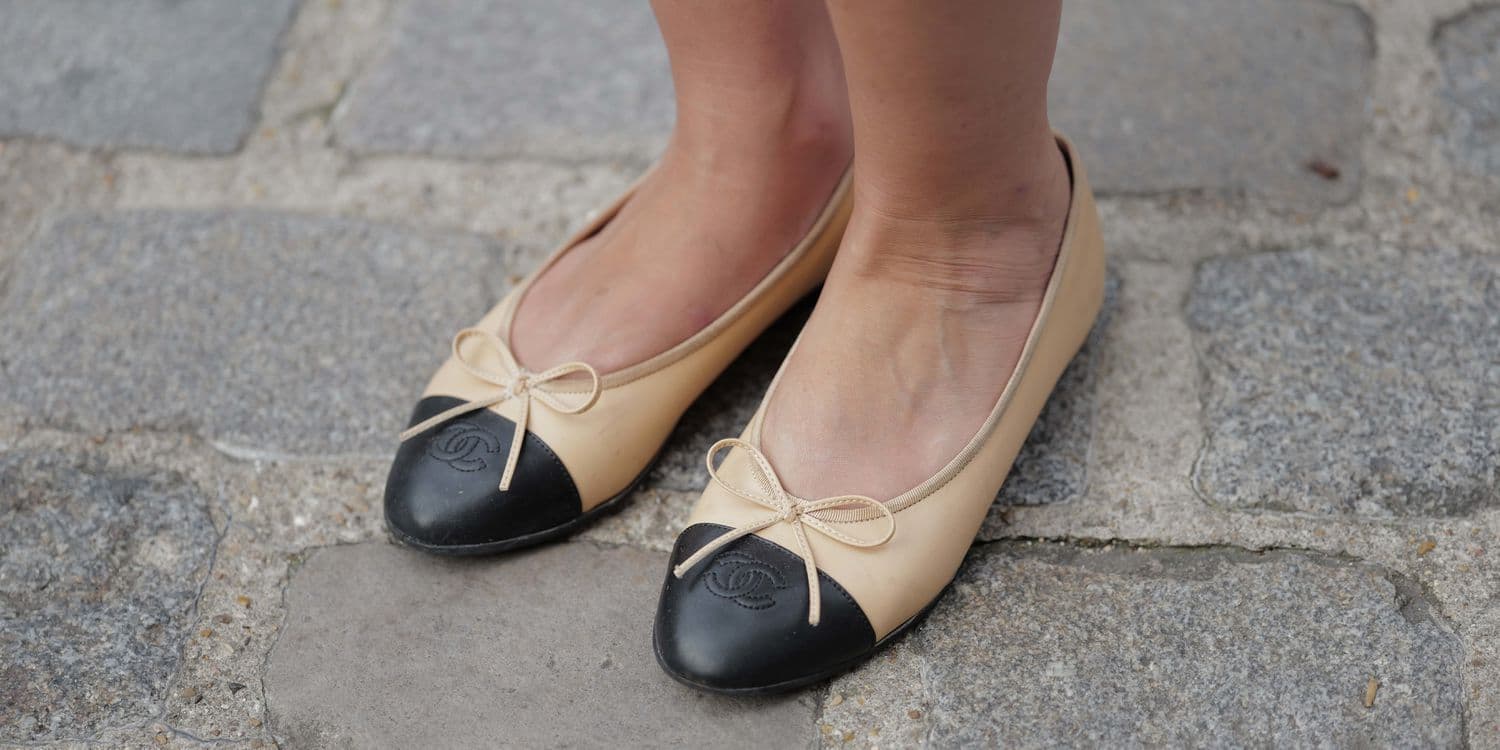
Karl Lagerfeld debuted Chanel’s ballet-flat style in 1984, and the shoes “instantly took over the fashion stratosphere.” The Chanel ballet flat has spent 66 years evolving without losing its “dance-inspired” shape or its talent for making an outfit look finished without looking fussy.
Why this flat still feels current
Harper’s Bazaar UK put the Chanel ballerina inside its “History of the Hero” franchise, alongside Levi’s 501 jeans and the Dior Bar jacket. It belongs to the small class of wardrobe pieces that can be reintroduced again and again because the silhouette already carries meaning.
In 2024, the Noughties favorite was “more popular than ever” in an era “championing timeless design.” Trends come back around roughly every 20 years, and ballet flats have landed right back in the sweet spot where nostalgia, practicality, and polish meet.
The Chanel cues shoppers keep responding to
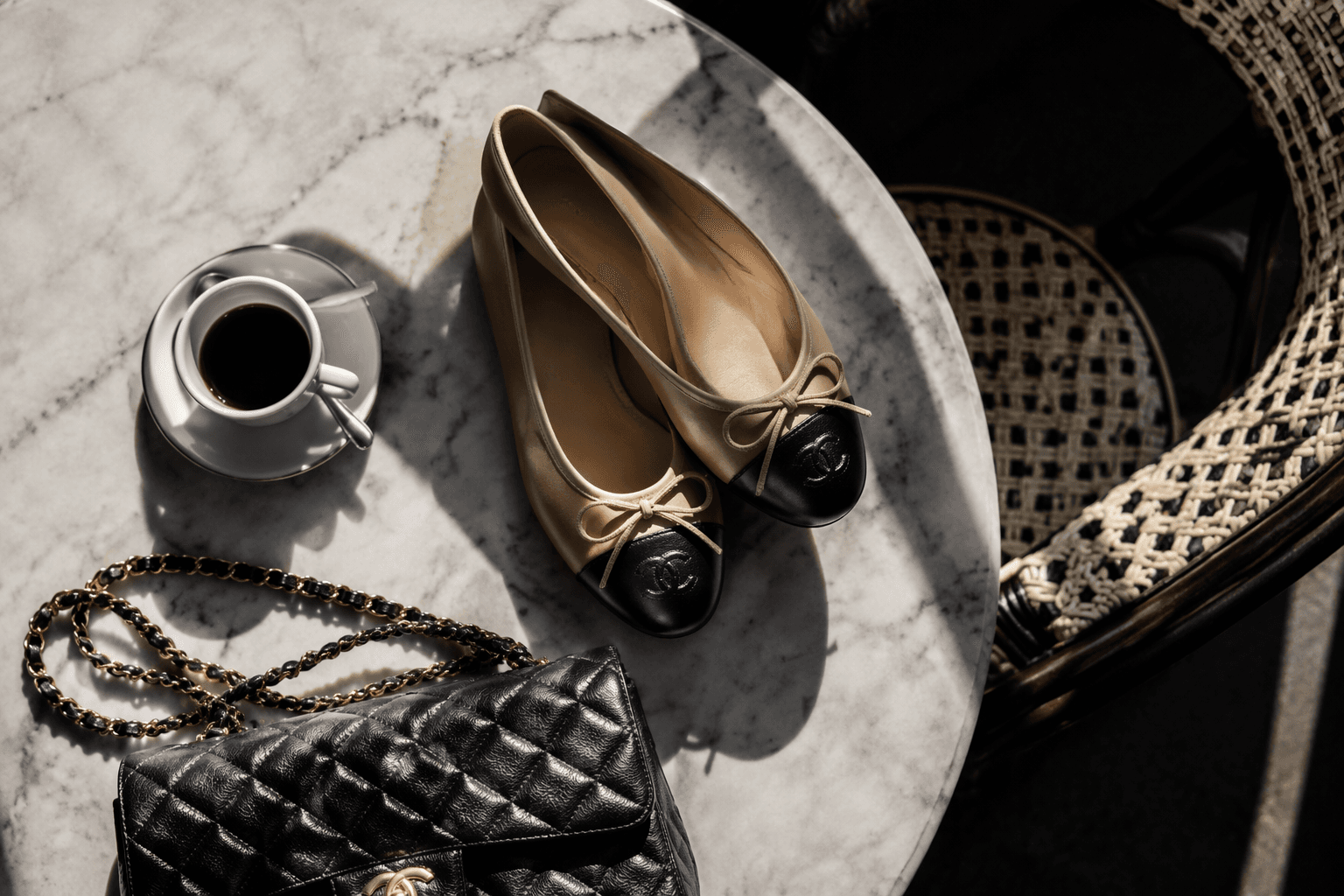
The Chanel version works because it feels disciplined rather than delicate. The dance reference gives the shoe its posture, and the clean, low-profile shape makes it read as refined even when the rest of the outfit is casual. That is why it has survived changing hemlines, wider trousers, and the sneaker years without losing its appeal.
How the flat keeps getting styled now
The best proof of the shape’s modern life is how easily it slips into everyday outfits. Dua Lipa wore Chanel ballet flats in New York City with denim cutoffs, which is exactly the kind of styling that keeps the shoe from feeling precious. It can read as polished, but it also works as part of an easy summer uniform.
The same flat can sit under cropped trousers for a crisp city look, soften a slip dress, or finish jeans and a blazer with that slightly French-girl, slightly office-ready attitude.
What to look for in today’s ballet-flat market
Modern ballet flats borrow Chanel’s vocabulary in different ways. The strongest versions still carry the same sense of lightness and finish, even if they reinterpret the formula with new materials or proportions.
Look for these Chanel-adjacent cues:
- A dance-inspired shape that sits close to the foot and feels neat, not heavy
- A contrast cap, which gives the shoe a sharper, more graphic finish
- Satin or mesh if you want softness and a little sheen
- A square toe if you want the silhouette to feel more current without losing elegance
- An embellished bow if you want the prettiest version of the idea without tipping into costume
At lower price points, the key is to keep the line clean. A simple upper, a tidy toe shape, and restrained detailing will get you closer to the Chanel effect than too many embellishments. In the middle market, satin, mesh, or a subtle cap toe can add interest without making the shoe look busy. At luxury level, the difference is usually in proportion, finish, and the way the shoe holds its shape on the foot.
Why the formula still works
On November 26, 2024, InStyle treated the Chanel ballet flat as a style icon. Fashion keeps circling back to pieces that feel useful first and decorative second, and the ballerina sits right in that lane. It is pretty, but it is also practical. It finishes an outfit without adding visual weight.
This article was produced by Prism’s automated news system from verified source data, official records, and press releases, then run through automated quality and moderation checks before publishing. The system is built and supervised by the people who set the standards it runs under. Read our full AI policy.
Did this article answer your question?