Chloé softens tailoring with lingerie dresses for Resort 2027
Chloé's Resort 2027 turns tailoring soft, pairing lingerie dresses and ballet notes with powdery pastels built for real wardrobes.

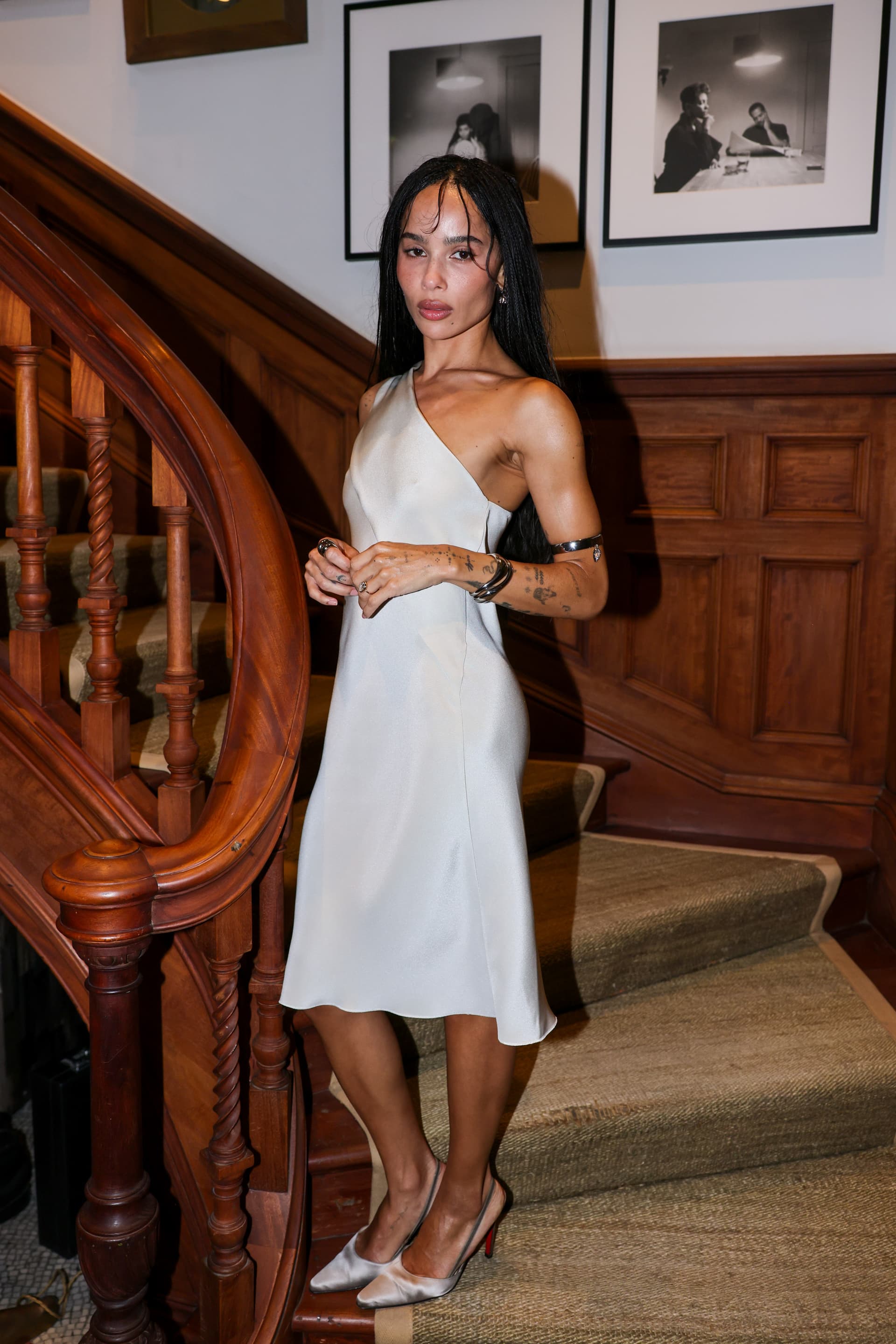
Chemena Kamali is making Chloé’s romantic reset easier to buy, and the clearest proof is Resort 2027, titled “Suit Yourself - Softly.” The collection folds lingerie-inspired dresses, ballet references and powdery pastels into tailoring that feels less severe and more lived-in, with slightly flared trousers keeping the silhouette from tipping into nostalgia.
A romantic house learns to sell ease
Kamali became Chloé’s creative director in 2023, and the house is now openly leaning into the version of femininity she has been sharpening ever since. She was born in Germany in 1981 and studied fashion at Central Saint Martins in London under Louise Wilson, a background that helps explain why her clothes can move from emotional to polished without losing their softness.
Her return has refocused Chloé on its ultra-feminine Parisian heritage through campaigns, red-carpet dressing and a well-received debut runway show. It gives the label something more commercial than a mood board of boho references: Kamali is turning romantic codes into a consistent brand language that can live across runway, celebrity dressing and the floor.
From Chloé stereotype to a broader wardrobe
Kamali is moving beyond the familiar “Chloé stereotype” while keeping the house’s romantic spirit intact. That shift is visible in the way she has used the archive: early in her tenure she mined Karl Lagerfeld-era references, but the newer collections widen the frame, letting the brand feel less like a period piece and more like a current wardrobe proposition.
Instead of pressing the label into one narrow idea of gauzy bohemia, Kamali is building around ease, movement and femininity that can be worn to work, to dinner and everywhere in between. The tailoring still belongs to Chloé, but the edges are gentler, the line less posed, and the overall effect is far easier for real customers to translate into daily dressing.
What changed from Resort 2026
Resort 2027 is a notable pivot from Resort 2026, a film noir and early-1980s exercise in soft-edged power dressing. That earlier collection leaned sleeker and sharper, using shoulder-strong energy and a more controlled mood to frame the brand’s return to authority.
This new chapter loosens that structure without abandoning it. The shift from power dressing to softened tailoring suggests Kamali is not interested in a single house signature so much as a range: one season can feel more noir, the next more sensual, but both stay inside Chloé’s emotional register. That makes the brand feel adaptable rather than locked into one commercial formula.
The silhouettes that will move first
The most retail-ready pieces are the ones that sit closest to the body without feeling precious: lingerie-inspired dresses, airy day dresses, slightly flared trousers and tailoring with a softer shoulder line. Kamali returns to the house’s tailoring roots, mixed with lingerie dressing and winks to ballet, and that combination is exactly what turns a runway statement into a sellable rack of clothes.
The dresses are the easiest entry point. They carry the romance that Chloé shoppers expect, but the lingerie reference keeps them from reading as costume. The tailoring is the smarter buy for stores because it reaches beyond occasionwear: a softly cut blazer or a pair of flared trousers can be styled up or down, which is where Kamali’s softness becomes commercially persuasive.
- Buy the pieces that skim rather than cling.
- Look for powdery pastels instead of high-contrast color blocking.
- Favor trousers with a slight flare, not a dramatic bell, so they read modern.
- Treat lingerie details as texture and line, not overt seduction.
Why the ballet and lingerie notes matter now
The ballet references are doing real work here. They temper the tailoring with discipline and lightness, which keeps the collection from slipping into sweetness for sweetness’s sake. Kamali has understood at Chloé that romance sells when it is filtered through shape and movement, not when it is overloaded with decoration.
The lingerie element performs a similar function. Rather than pushing the clothes into obvious intimacy, it brings in the kind of softness that looks expensive on the body and approachable on a hanger. That combination is useful for resort merchandising, where customers want pieces that feel elevated but still practical enough to wear long after the vacation window closes.
The colors and finish tell the story
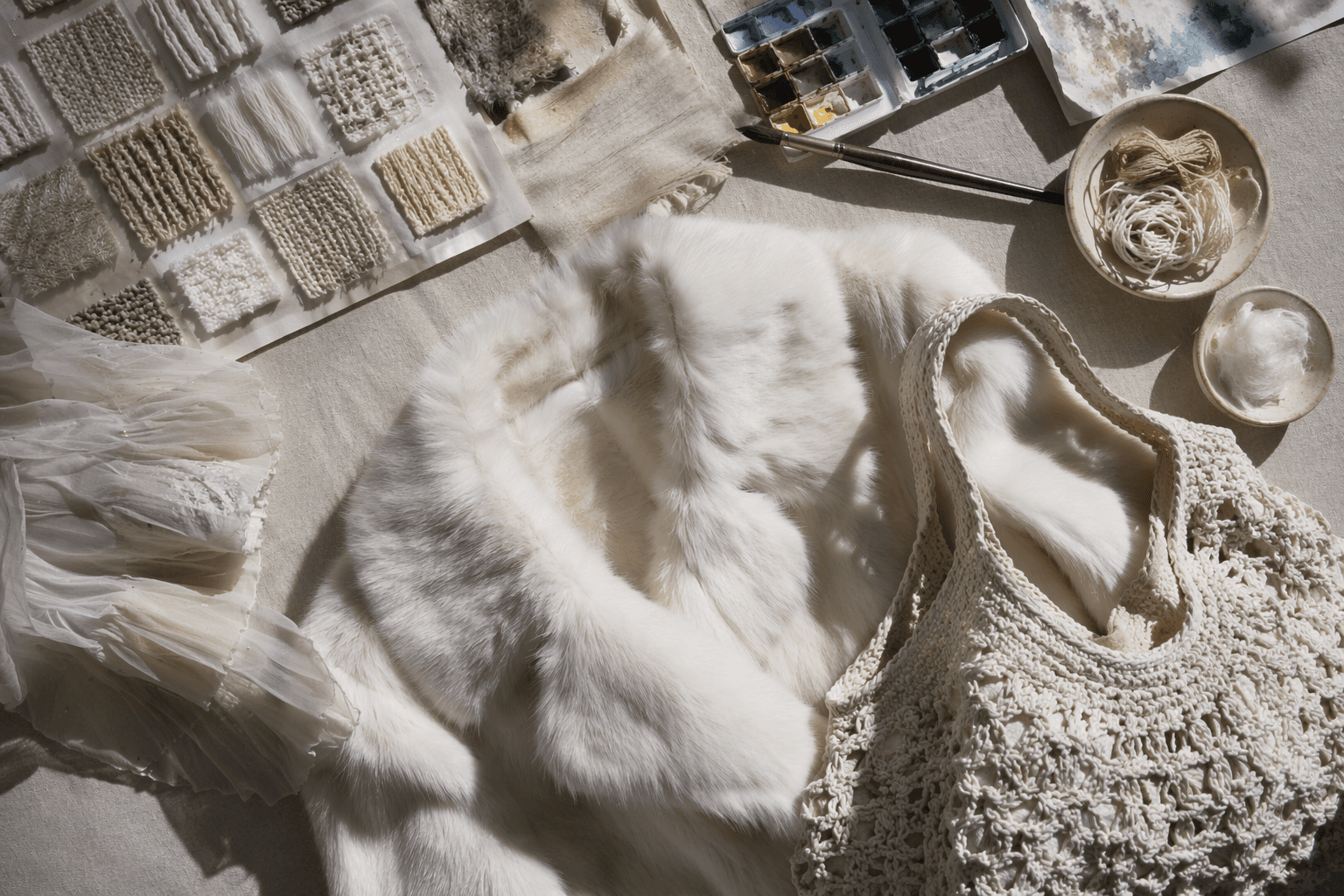
Powdery pastels are central to the collection’s mood, and they are part of why the clothes feel commercially promising. These softer tones naturally align with Chloé’s Parisian elegance and artisanal craftsmanship while also broadening the palette beyond the earthier romanticism that has long defined the house.
On the sales floor, powdery color reads as premium when paired with fluid tailoring or delicate dresses, and it photographs well enough to carry the runway fantasy without becoming hard to wear. For next-season wardrobes, this is the palette that will likely translate first: pale, diffused, and easy on the eye, with enough softness to feel feminine without sliding into fragility.
The bigger commercial read
Kamali’s Spring/Summer 2026 work was already couture-adjacent in its draping and silhouettes, so Resort 2027 feels less like a reset than a refinement. She has moved from dramatic reference points to something more commercially fluent: clothes that keep Chloé’s romantic identity but make it easier to buy, style and wear.
Chloé is no longer only selling nostalgia for bohemian femininity or archival French ease. Kamali is selling a version of softness that can live in a contemporary wardrobe.
This article was produced by Prism’s automated news system from verified source data, official records, and press releases, then run through automated quality and moderation checks before publishing. The system is built and supervised by the people who set the standards it runs under. Read our full AI policy.
Did this article answer your question?