Classic Canvas Sneakers Lead Seven Footwear Trends Dominating Spring 2026
Canvas sneakers are back on top, and spring 2026's footwear story is bigger than one silhouette.
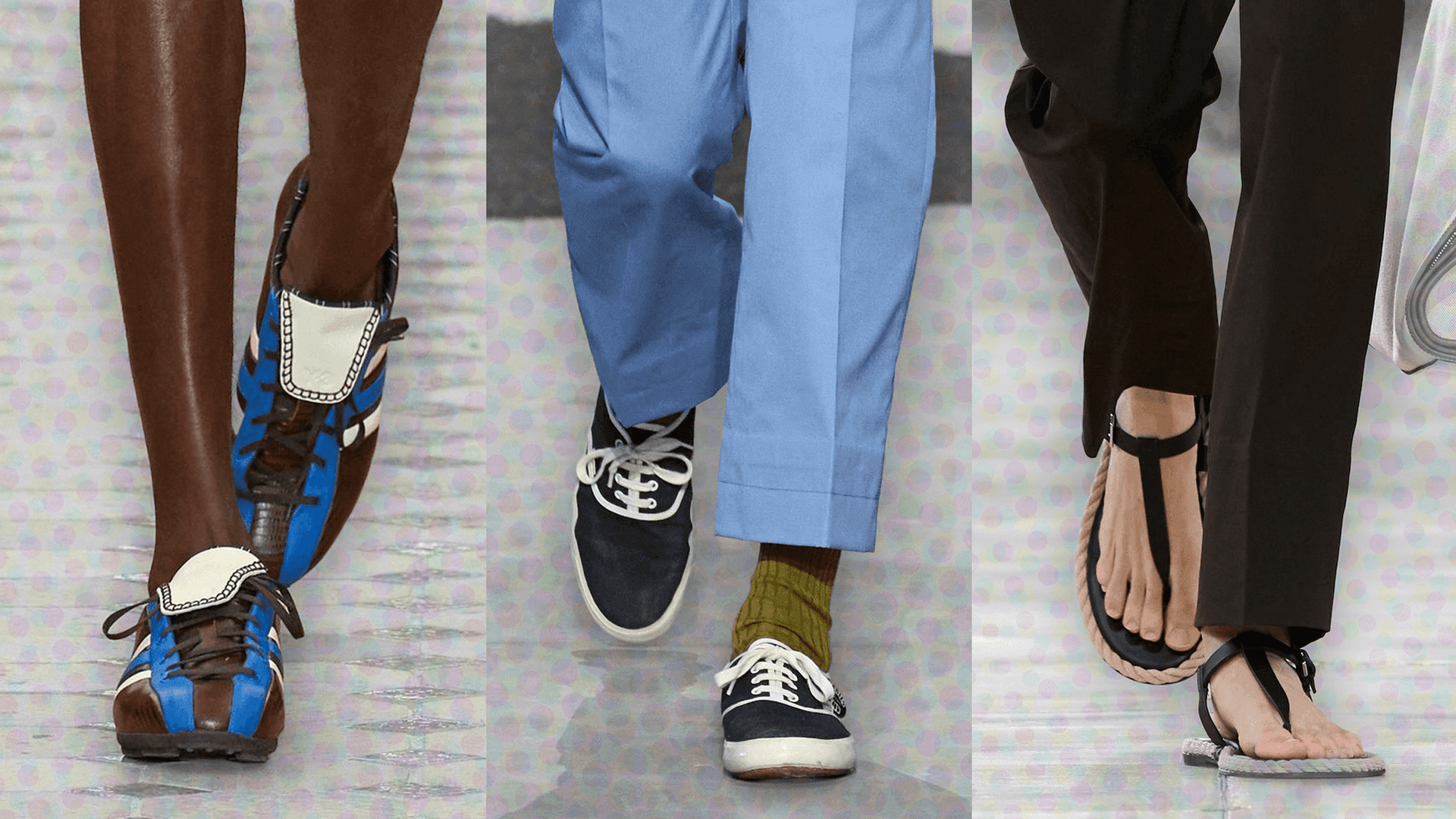
Canvas sneakers have a way of resetting the conversation. Every few seasons, footwear trends spiral toward the technical, the maximalist, or the aggressively niche, and then a simple rubber-soled, cotton-canvas shoe walks back onto the runway and reminds everyone what cool actually looks like. That's exactly where spring 2026 finds itself, with GQ's editors identifying classic canvas sneakers as the lead story in a seven-trend footwear forecast built from runway evidence and real-world streetwear translation.
The full picture is more layered than any single silhouette, though. What emerges from this season's runways is a footwear landscape that rewards intentionality: shoes with clear points of view, worn by people who know exactly why they chose them. Here's what's worth your attention.
The Return of Classic Canvas Sneakers
There's a reason this one leads. Canvas sneakers, the kind with flat rubber soles, minimal branding, and a silhouette unchanged for decades, have reasserted themselves as the default cool shoe. What makes this moment different from previous canvas revivals is the context: they're appearing against tailored trousers and structured outerwear on runways that previously favored chunky trainers and sculptural soles. The contrast is the point. A worn-in canvas sneaker against a sharp suit reads as effortless in a way that no amount of technical foam cushioning can manufacture. Editors at GQ flagged this as the anchor trend of the season, which tells you everything about the direction the broader footwear market is moving.
Streamlined Athletic Silhouettes
The overcorrection away from maximalist "dad" trainers is fully complete. What's replacing them isn't minimalism exactly, but something more precisely described as streamlined athleticism: low-profile running shapes with clean lines, muted colorways, and enough technical credibility to justify the silhouette without screaming performance gear. These are shoes that look like they could run a mile but probably won't. The key styling move is wearing them with anything that isn't activewear, letting the athletic reference sit as contrast rather than costume.
Loafers with Architectural Presence
The loafer has been building toward this season for two years, moving from quiet luxury accessory to genuine statement piece. Spring 2026 brings architectural variations: exaggerated soles, squared toes taken further than comfort might suggest, and hardware details that tip into sculptural. The difference between a loafer that reads as boardroom-safe and one that reads as fashion-forward is largely in the sole height and the toe shape, and this season's versions lean decisively toward the latter. Wear them with wide-leg trousers or below a midi skirt for maximum silhouette drama.
Strappy Flat Sandals
Flat sandals with minimal strapping have been circling the trend conversation for long enough that their arrival this season feels less like a surprise and more like an inevitability. The versions worth paying attention to are the ones with considered strap placement: a single toe thong with an ankle wrap, or a crisscross construction that references gladiator sandals without committing to the full theatrical effect. The appeal is practical as much as aesthetic. After several seasons of platform sandals that required commitment and core stability, a flat that keeps you connected to the ground feels genuinely new.
Western-Influenced Boots
Western footwear has been staging a slow takeover for the better part of three years, but this season the influence narrows and sharpens. It's less about the full cowboy boot and more about what the cowboy boot contributes to other silhouettes: the pointed toe, the stacked heel, the shaft that adds structure to a trouser leg. Designers have been grafting these Western details onto ankle boots, Chelsea variations, and even some unexpected hybrid shapes. The result is footwear with a confident posture, literally and figuratively. These boots change the way you walk, and that's entirely the intention.
Mary Janes with an Edge
The Mary Jane's rehabilitation from schoolgirl reference to genuine style staple is one of the more interesting footwear stories of the past few seasons, and spring 2026 pushes it further. The current iteration keeps the strap and the rounded toe but builds up the sole, adds a chunkier heel, and sometimes introduces hardware that shifts the register from sweet to slightly confrontational. It's a shoe that works precisely because of the tension between its traditional shape and its updated attitude. Style it with tailored shorts, a sheer skirt, or straight-leg jeans cuffed to show the strap detail.
Mesh and Transparent Constructions
The most directional entry in GQ's spring 2026 footwear forecast is also the one that requires the most confidence to wear: shoes built with mesh panels, transparent materials, or open constructions that foreground the foot itself as part of the design. This is not a trend for the ambivalent. These shoes ask you to care about your feet as an aesthetic element, which is either liberating or anxiety-inducing depending on your relationship with pedicures. When they work, they work because of lightness: the visual weight drops out of the shoe entirely, which makes them surprisingly versatile with heavier fabrics like denim, cotton canvas, or structured wool.
What connects all seven directions is a resistance to the obvious choice. Each trend offers a version of a familiar silhouette that's been pushed just far enough to feel current without requiring a complete wardrobe rethink. That's the practical genius of this particular spring footwear moment: the entry points are accessible, but the potential for personal expression is genuinely high. Start with the canvas sneaker if you need a single confident purchase. Build outward from there as the season develops.
This article was produced by Prism’s automated news system from verified source data, official records, and press releases, then run through automated quality and moderation checks before publishing. The system is built and supervised by the people who set the standards it runs under. Read our full AI policy.
Did this article answer your question?


