Culottes Return as Spring’s Chic, Work-Friendly Answer to Heat
Culottes are stepping in where trousers overheat and shorts feel too bare. Spring 2026 turns the silhouette into a sharper, office-ready middle ground.
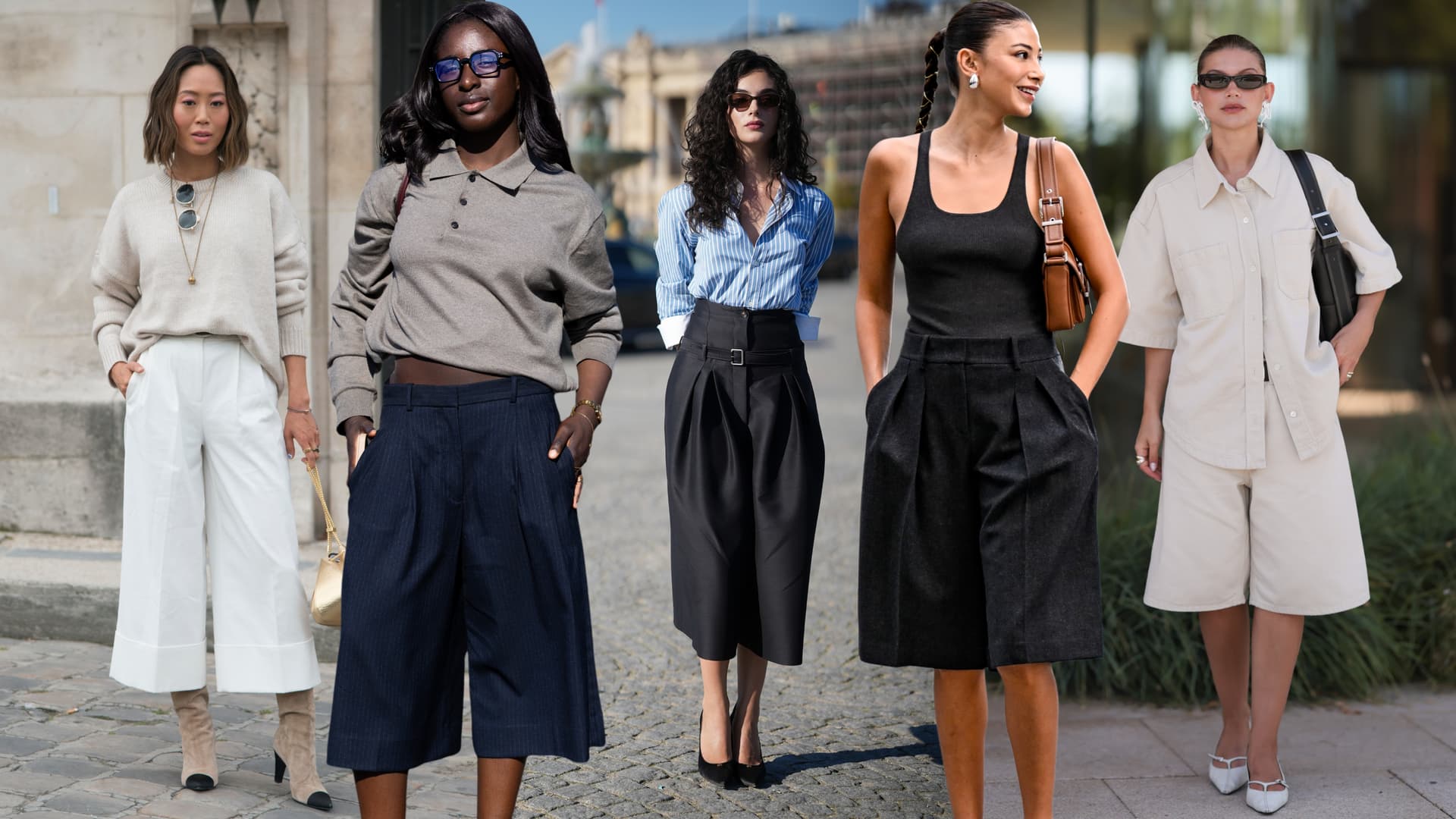
The new middle ground for hot-office dressing
Culottes are back with a clear job to do: keep work wardrobes polished when full-length trousers start to feel suffocating. They solve the oldest warm-weather dressing dilemma in one sweep, cooler than pants, more composed than shorts, and far easier to wear to the office than either extreme. That is why the silhouette feels less like a nostalgic flourish than a practical reset for spring.
Cropped, roomy, and usually landing somewhere between the knee and the calf, culottes read like a skirt split cleanly into two. That shape gives them movement and air without surrendering the structure that makes office dressing look intentional. In a season when heat can make tailoring feel heavy by noon, the appeal is obvious: the leg line stays covered enough for dress codes, but the volume keeps air moving.
Why the silhouette suddenly feels so right
The strongest argument for culottes is not trendiness but function. Tailored trousers can cling to warmth; thigh-skimming shorts can feel too casual for a meeting, a client lunch, or a desk-bound day that still requires a blazer. Culottes land exactly in the gap between those two poles, which is why stylists are recasting them as an everyday staple rather than a difficult fashion statement.
The long-shorts trend is back again for spring, but culottes are the most polished version of it. Fashion people are wearing them with T-shirts and cardigans for easy daytime dressing, then sharpening the look with loafers, strappy sandals, and blazers when the calendar calls for something more precise. That range matters, because culottes can look awkward when treated like a novelty piece; they work best when they are handled like a neutral base.
How the runway made them feel modern
Spring 2026 runway dressing gave the silhouette a cleaner, more professional register. Fforme, Max Mara, and Celine all helped normalize culottes as a legitimate office shape, which matters because those houses do not lend their weight to gimmicks. Their version of the cut felt disciplined rather than playful, showing how a once-awkward shape can read as sharp, modern, and entirely appropriate for city life.
That runway context is what separates this return from a mere revival. Culottes are not coming back as a costume memory from another decade. They are reappearing because designers have found a way to make them look useful again, and usefulness is what keeps a trend in circulation once the temperature rises.
How to wear them without losing polish
Culottes are at their strongest when the rest of the outfit stays clean and purposeful. A sharp blazer keeps them office-ready. A simple T-shirt or cardigan softens them for less formal days. Loafers make the shape feel quietly authoritative, while strappy sandals bring in enough lightness to keep the whole look airy.
The trick is to let the hem do the work. Because the cut already creates movement, there is no need to pile on extra volume above it. Keep the top half disciplined and the silhouette becomes elegant rather than fussy, which is exactly why it has the potential to move from trend cycle to wardrobe staple.
This is also where culottes prove their smartest advantage over shorts. They preserve a sense of coverage without looking heavy, and that makes them an easy answer for offices that want polish but not stiffness. In practical terms, they are the rare warm-weather piece that can make a weekday outfit feel less constrained without making it feel casual.
A silhouette with real fashion history
The modern culotte may feel timely, but it sits on a much longer lineage. The Metropolitan Museum of Art’s collection includes culottes by Emilio Pucci and Yves Saint Laurent, along with riding culottes dating to around 1909, 1910 to 1918, and 1917. Those pieces make clear that the shape has never been a one-note fashion fluke. It has been returning in different forms for more than a century.
The Met also describes jupe culotte as a dressier form of dishabille that moved from home to street, which gets to the heart of its enduring appeal. The silhouette was never just about practicality. It represented a freer way of moving through the world. Paul Poiret’s 1912 chemise silhouette pushed women’s dress further away from corsetry and toward softness and ease, and that same instinct still gives culottes their charge today.
Why this return matters now
Culottes are arriving at the exact moment work wardrobes need a smarter warm-weather option. They answer the heat without losing polish, and they offer brands a new way to dress women who want comfort without sacrificing authority. That is a meaningful shift, not a passing nostalgia cycle.
The real story is not that culottes are back. It is that they now look like the most practical, elegant compromise in spring dressing, the one that lets a wardrobe breathe while still keeping its shape.
This article was produced by Prism’s automated news system from verified source data, official records, and press releases, then run through automated quality and moderation checks before publishing. The system is built and supervised by the people who set the standards it runs under. Read our full AI policy.
Did this article answer your question?


