Digital cameras return as Gen Z's new nightlife accessory
Gen Z is carrying point-and-shoot cameras into clubs like they are part of the outfit. The appeal is flash, grain, and a photo that feels more tangible than a phone shot.
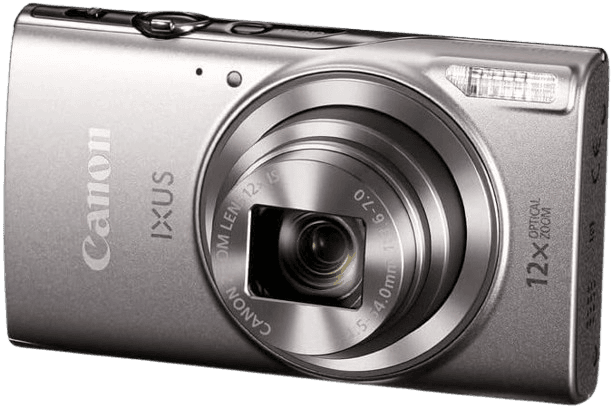
The digicam is back, and this time it is not hiding in a drawer. At bars, clubs, and fashion-heavy nights out, Gen Z is carrying point-and-shoot cameras the way it carries a great bag or a favorite sneaker, as a visible object that changes the whole look. The draw is instant once the flash hits: skin looks brighter, edges go softer, and the image feels more made than managed.
Why the camera is the accessory now
This revival is not just about nostalgia for old tech. It is about status signaling in a culture that has grown allergic to the perfectly polished phone photo. A compact digital camera says you were there, you cared enough to bring a second device, and you wanted the moment to look a little rougher, a little more alive.
That is exactly why the camera reads like an accessory, not just a tool. In nightlife, the object itself becomes part of the outfit, dangling from a wrist, tucked into a tiny bag, or passed around like a social prop. The look is less about preserving a flawless memory and more about turning image-making into part of the scene.
The nightlife shift is real, not theoretical
ABC News reported on June 17, 2025 that point-and-shoot digital cameras were popping up at bars and clubs across Australia as young people revived early-2000s tech. The people using them described the appeal in plain terms: digital cameras feel more tangible and more intentional than phone photography. That is the key difference. Phones are fast and frictionless; cameras slow the moment down just enough to make the photo feel chosen.
The setting matters here. Nightlife is already built on dress codes, door energy, and the tiny rituals of being seen. A digicam fits that ecosystem perfectly because it produces the kind of flash-heavy, grainy, less curated image that feels right for a crowded room, a sweaty dance floor, or a half-lit afterparty.
Why Gen Z keeps choosing the lo-fi frame
The broader pull is tied to Gen Z’s affection for late-1990s and early-2000s aesthetics. The old compact camera has the same emotional charge as a baby tee, a low-rise reference, or a beat-up shoulder bag: it signals that taste can come from a previous era without looking like costume. The images themselves matter too. Flash photography flattens the gloss, adds a little chaos, and makes nightlife look more fun than aspirational.
That matters because the current image economy is crowded with over-edited, smartphone-native perfection. Digicams offer an escape hatch. They make photos feel slower and more intentional, but not precious. That balance is the whole point: enough friction to make the image feel special, not so much polish that it loses the mess that nightlife is built on.
The sales numbers say this is bigger than a mood
This is not just a cute aesthetic swing. The Telegraph reported on June 25, 2025 that John Lewis saw a 50% rise in sales of new digital camera models between July and December 2024. Google searches for digital cameras have more than doubled since 2021, with interest peaking at Christmas 2024. Vinted also said digital cameras were among the top five most-searched keywords in its UK electronics category between January and May 2025.
The resale side is moving too. OnBuy.com reported that sales of digital cameras from January to May 2025 were up 606% compared with the same period in 2024. That kind of jump says the trend is not confined to moodboards and club bathrooms. It is traveling through retail, resale, and search behavior at the same time, which is usually when a microtrend starts behaving like a real category shift.
Canon is treating it like a category, not a throwback
Major brands are paying attention because the appetite is measurable. Canon said February 2026 marked the 30th anniversary of its PowerShot compact digital camera line, which began with the PowerShot 600 in July 1996. The company also said it planned to release a limited-edition PowerShot G7 X Mark III in April 2026 for an estimated retail price of $1,299.
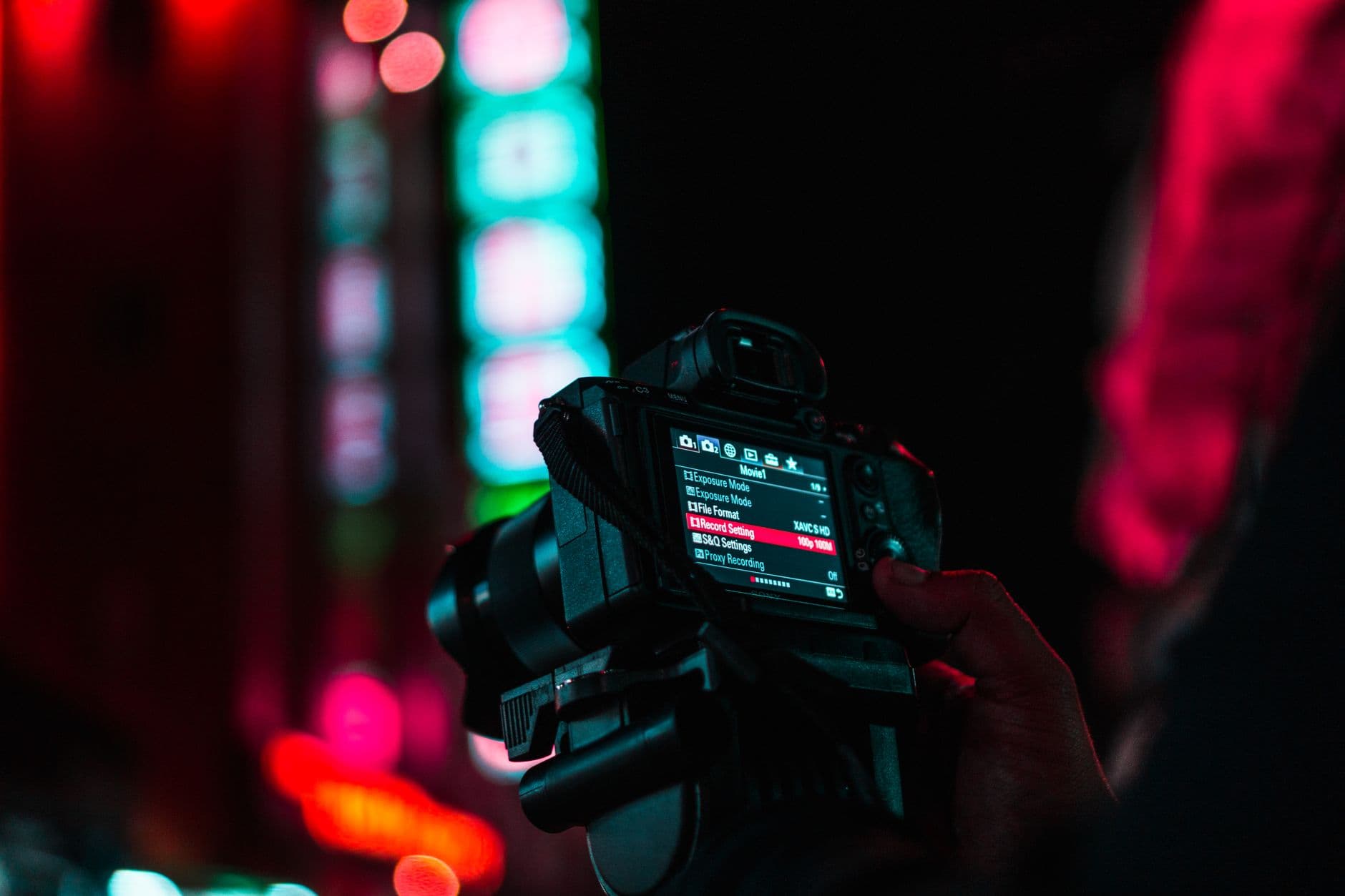
That price point tells you plenty. Canon is not selling a novelty toy. It is leaning into a premium compact that sits between convenience and collector appeal, which is exactly where this market has landed. By February 2026, Canon said it had released over 120 RF and EF series lenses as part of its EOS ecosystem and over 200 PowerShot cameras in the Americas, showing just how broad the company’s camera universe has become. It also said its interchangeable-lens digital cameras held the No. 1 global market share for 22 consecutive years from 2003 to 2024, and 23 consecutive years through 2025.
That kind of dominance matters because it gives the digicam comeback industrial weight. When a major camera brand starts celebrating anniversaries, introducing limited editions, and talking about long-running market leadership, the message is clear: this is not a nostalgia hobby on the margins. It is a demand curve.
How the look works in real life
The best digicam styling is not precious. It is loose, social, and a little messy, the same way nightlife dressing should be. The camera hangs off the body like jewelry with a job. It is visible enough to telegraph taste, but practical enough to survive a packed room, a coat check, and three rounds of flash photography.
What gives the trend staying power is that it solves a modern problem: everyone wants images, but not everyone wants the pressure of making them look perfect. The digicam offers a middle ground between a phone snap and a deliberate shoot. It lets the party stay a party while still producing pictures people actually want to keep, post, and trade.
That is why the accessory economy has room for it again. The camera is no longer just a device for taking pictures. It is part of the look, part of the night, and part of the social currency that Gen Z is building in real time.
This article was produced by Prism’s automated news system from verified source data, official records, and press releases, then run through automated quality and moderation checks before publishing. The system is built and supervised by the people who set the standards it runs under. Read our full AI policy.
Did this article answer your question?


