Estée Lauder Sues Walmart Over Counterfeit Beauty Products on Marketplace Platform
Estée Lauder brands including La Mer, Le Labo, and Tom Ford sued Walmart, arguing its checkout and fulfillment role makes it liable for counterfeit beauty sales.

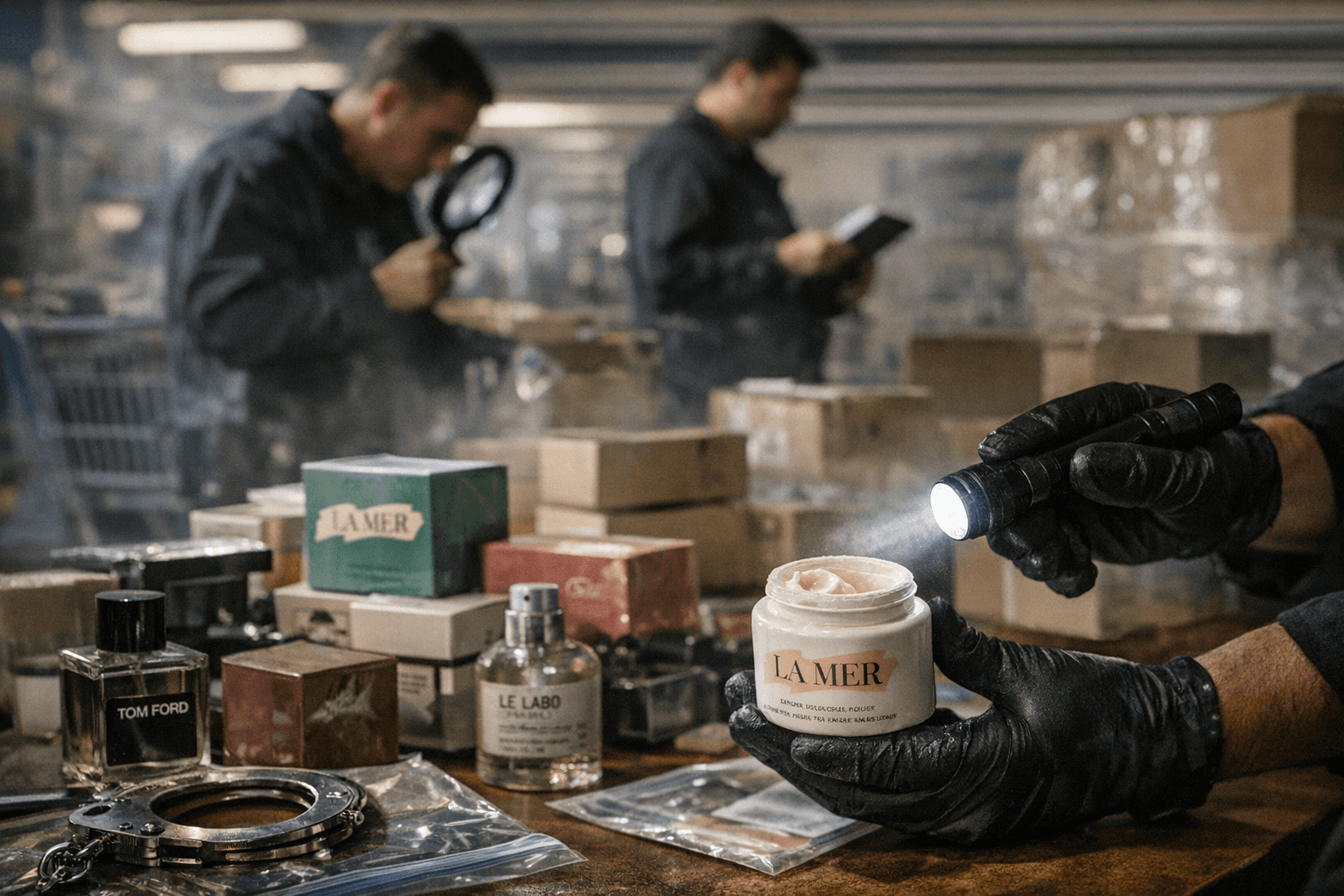
Counterfeit La Mer and Tom Ford sitting in a Walmart marketplace cart is not a hypothetical anymore. Estée Lauder Companies, along with its prestige brands La Mer, Le Labo, Tom Ford, Aveda, and Clinique, filed a federal trademark infringement lawsuit against Walmart early this year, alleging that third-party sellers on Walmart's online marketplace sold counterfeit cosmetics and fragrances bearing their trademarks.
The legal theory at the center of the complaint is the one that keeps platform lawyers up at night: how involved does a marketplace have to be before it shares responsibility for what gets sold on it? The complaint contends that Walmart's role in facilitating those sales, including its involvement in checkout, payment processing, fulfillment services, and returns, places the retail giant closer to the transaction than a traditional marketplace intermediary. That framing is deliberate. It pushes back against the standard platform defense, which positions a marketplace as a neutral host rather than an active participant in the sale.
The case lands at an awkward moment for Walmart's ambitions. The company is pushing hard into e-commerce, memberships, and higher-income categories, while still trading on its reputation for reliability and value. Allegations that counterfeit premium beauty products were circulating through third-party sellers raise pointed questions about how tightly Walmart monitors vendors, especially in categories where authenticity is not a minor footnote but a core promise to the consumer.
If a court finds Walmart liable, the main financial impact would likely come from damages, legal costs, and any investment required to upgrade verification systems. Even without an adverse ruling, Walmart may choose to tighten controls, which can increase compliance and technology spend but also protect brand partnerships and shopper confidence.
The broader stakes extend well beyond this single filing. As marketplaces have shifted from pure listing hosts to platforms deeply integrated into transactions, the scope of platform liability remains unsettled across the industry. The Estée Lauder suit is the latest pressure test on that unresolved question, and the answer a federal court eventually delivers will matter to every prestige brand currently weighing whether a marketplace channel is worth the authenticity risk.
Know something we missed? Have a correction or additional information?
Submit a Tip
