Fall 2026 trends arrive early as shoppers dress by personality
Fall 2026 is showing up early because shoppers are dressing by personality, not by calendar. The strongest signals are sharper tailoring, rich texture, and expressive color, while the most theatrical runway ideas stay best on the runway.
Fall arrives before summer
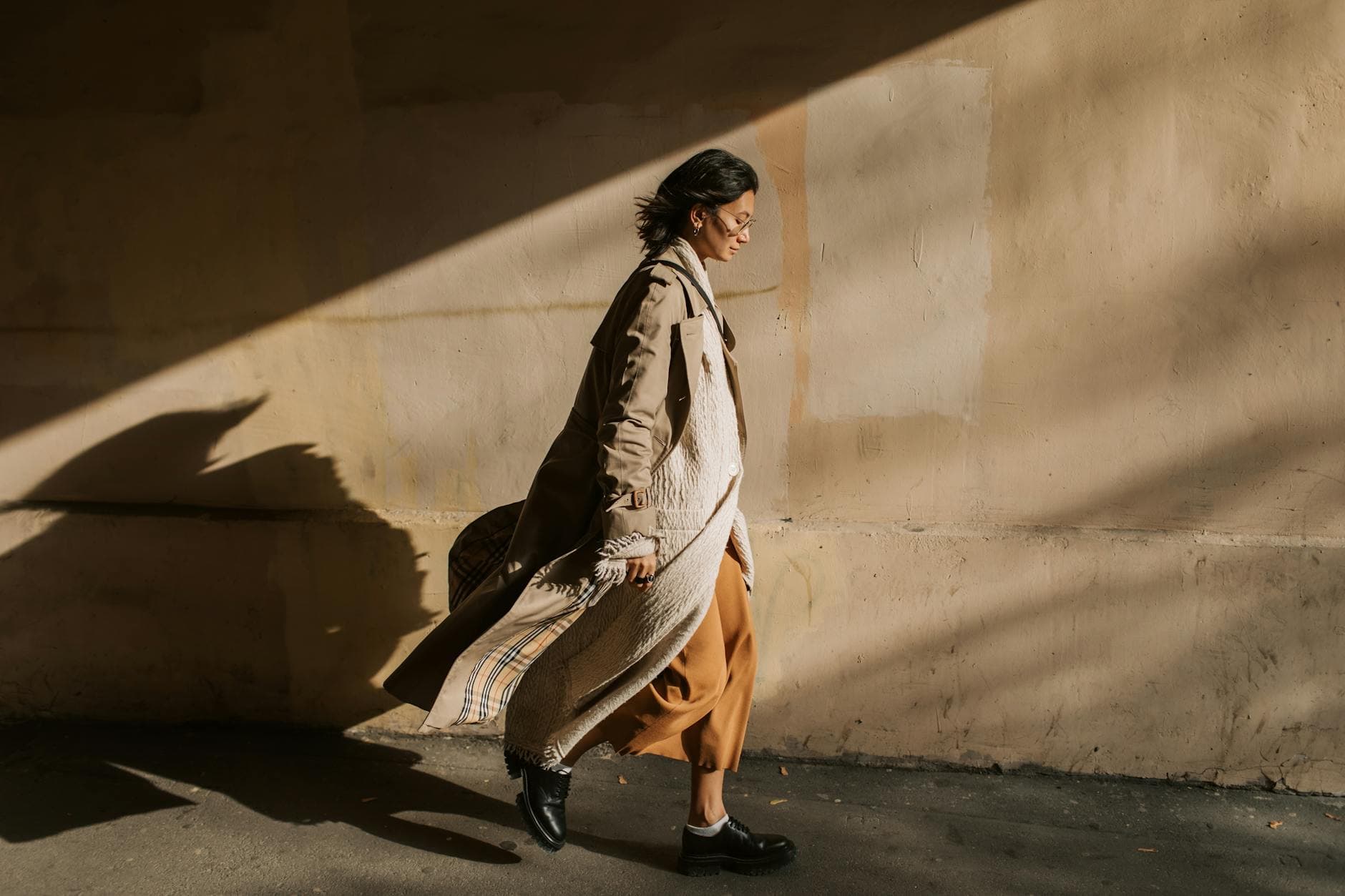
The clearest message from the fall 2026 conversation is that the calendar no longer sets the pace. Fashion is moving as much by mood as by season, and the mood right now is unmistakably personal: sharper tailoring, richer fabric, and a willingness to wear an early fall piece before summer has properly begun. Who What Wear’s trend read captures the shift well, arguing that fall 2026 looks are already wearable in spring and early summer, and that early adoption is now part of how style-minded shoppers build a wardrobe.
That matters because it changes what feels current. Instead of waiting for the weather to justify a new silhouette, fashion insiders are pulling forward the pieces that best signal taste now, not later. Personality-driven dressing is bigger than ever, which means the most compelling items are the ones that communicate point of view first and season second.
Why the fashion cycle is speeding up
This early-wear impulse is more than a styling trick. It is part of a broader acceleration in the fashion cycle, where runway ideas reach closets faster and retailers can read demand sooner. Who What Wear notes that wearing fall trends in spring can help speed up that cycle, giving the market a preview of what customers are willing to try before the season turns.
The timing also reflects a more seasonless approach to dressing. When shoppers start treating a fall coat or a structured neckline as fair game in late spring, the old rules lose power. The result is a wardrobe built around attitude and utility, not a rigid line between September and May.
The business backdrop is tense
The trend story is unfolding inside a more unstable fashion market. McKinsey and BoF Insights say 46 percent of executives expect conditions to worsen in 2026, and 76 percent believe tariffs will be the biggest issue defining the year. McKinsey’s State of Fashion 2026 report even shows how the language has shifted, with “challenging” overtaking “uncertainty” as the mood of the moment.
That pressure helps explain why designers and editors are leaning into wearability with a sharper edge. In a difficult market, trends need to do more than look good in a runway image. They need to justify themselves in real wardrobes, where a single coat, dress, or tailored piece has to carry more of the style load.
The runway signals behind the trend story
This is not a trend forecast floating free of the runways. Coverage of Fall/Winter 2026 shows in New York, London, Milan, and Paris has repeatedly circled back to the same set of codes: tailoring, texture, statement coats, rich fabrications, necklines, and trains. That repetition gives the early-fall conversation a credible foundation. The mood is not random; it is a continuation of what already looked persuasive on the catwalk.
At the same time, Spring/Summer 2026 forecasting has pointed in a more expressive direction. Trendalytics fashion and beauty director Kendall Becker has broken down the season by color, fabric, print, and key items, while Pantone’s New York Fashion Week Spring/Summer 2026 report describes a palette built for divergent colors and individual expression. Put together, the message is clear: the market is rewarding people who dress with intent, whether that intent is a saturated color story or a sharply cut jacket.
What feels like a credible buy
The strongest early fall pieces are the ones that translate easily from runway to life. Sharp tailoring is first on that list. A clean-shouldered blazer, a longline vest, or a trouser with a precise crease can be worn now with lighter layers and later with heavier knits, which makes it a smart bridge between seasons.
Texture is equally persuasive. Fall 2026 is leaning into tactile fabrications, and that is where the season starts to feel expensive without looking overworked. Think brushed wool, matte suiting, dense crepe, or outerwear with enough surface interest to register from across a room. These are the pieces that can make a simple outfit feel fully thought through.
Statement coats also make sense, especially if the silhouette is bold but not gimmicky. A coat with strong lines or a plush finish is the kind of wardrobe investment that pays off immediately, even in spring evenings and air-conditioned interiors. The trick is scale: drama is most convincing when the coat still works with denim, tailoring, or a simple slip dress underneath.
Necklines are another area where the trend feels commercially real. A sculpted neckline or an illusion effect can change the entire read of a dress or top without requiring an entirely new styling system. That kind of detail fits the current appetite for clothing that says something about the wearer without demanding a full costume.
Where the runway gets more editorial
Some of the fall 2026 mood should be treated as directional, not literal. Trains are the clearest example. They create movement and romance, and they can be breathtaking on a runway, but in real life they often need a formal setting and a strong editorial point of view to avoid feeling excessive.
The same caution applies to the most extreme expressions of rich fabrication and elongated proportions. A coat that skims the floor or a dress with a highly architectural neckline may be memorable, but it is not necessarily the first thing to add to a wardrobe. These are better understood as the runway’s mood setters, not the everyday buys that will define how people actually dress through the transition into fall.
How to wear the early fall mood now
The smartest way to participate in the trend is to edit, not overcommit. Keep the silhouette clean and let one detail do the work.
- Pair a tailored jacket with a lighter spring base, so the structure feels intentional rather than weather-bound.
- Choose one textural piece, such as a wool coat or a richly finished skirt, and keep the rest simple.
- Use color as a personality signal, especially if you are drawn to the more divergent shades Pantone is pointing toward for Spring/Summer 2026.
- Reserve the most dramatic trains and runway-scale statements for moments where spectacle is the point.
That approach fits the larger shift shaping 2026 fashion. Shoppers are no longer waiting for the official start of a season to define what they want to wear. They are choosing pieces that mirror their personality, work in more than one month, and feel current the moment they go on. In a market this volatile, that kind of clarity is the real luxury.
This article was produced by Prism’s automated news system from verified source data, official records, and press releases, then run through automated quality and moderation checks before publishing. The system is built and supervised by the people who set the standards it runs under. Read our full AI policy.
Did this article answer your question?

