Fashion AI Expo Brings Tech and Design Together During Paris Fashion Week
The inaugural Fashion AI Expo landed on March 6 during Paris Fashion Week, pulling trend-analytics firms, virtual-try-on tech, and supply-chain AI providers into the same room.
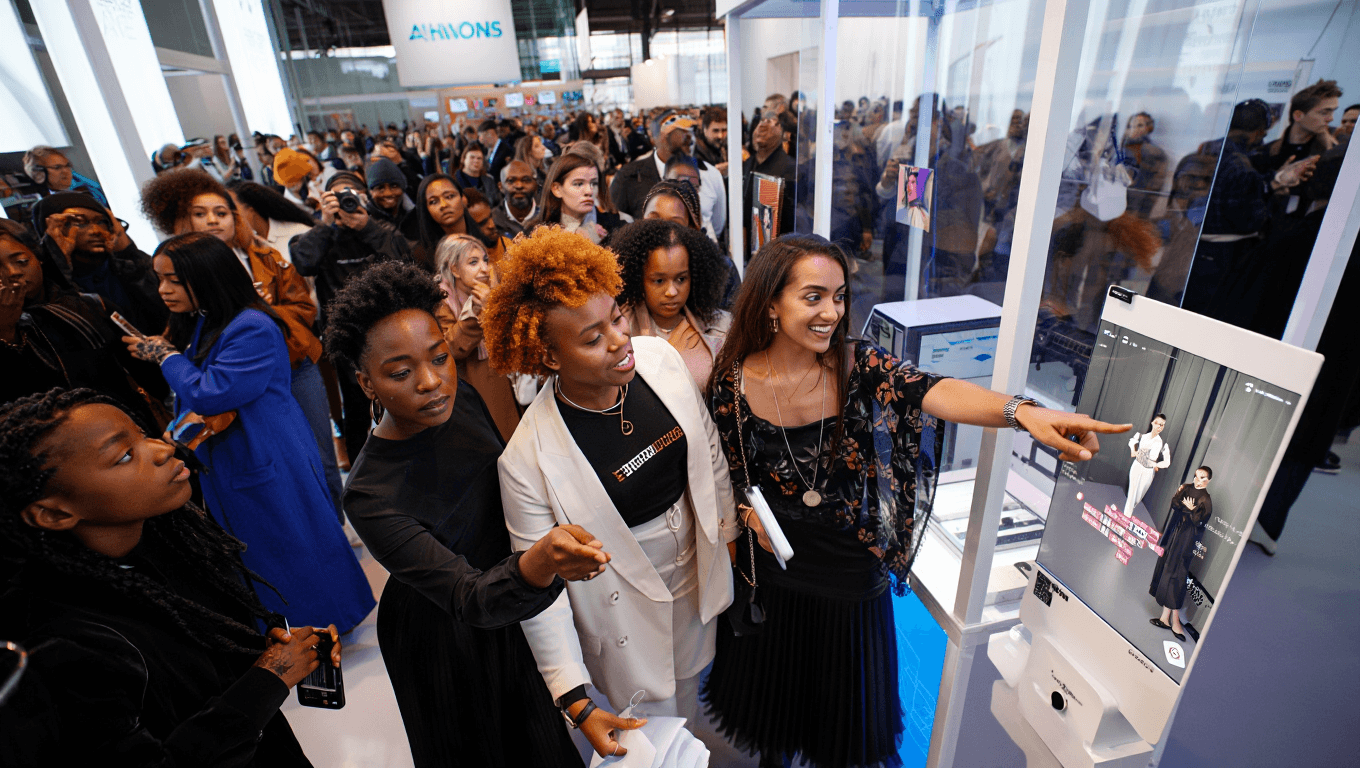
The inaugural Fashion AI Expo landed on March 6, 2026, timed deliberately to Paris Fashion Week, and the positioning was a statement in itself. Staging a technology expo inside the world's most image-driven fashion moment is exactly the kind of provocation the industry needed: a direct argument that AI isn't a backend infrastructure story anymore, it's a design-floor one.
The expo drew together trend-analytics firms, virtual-try-on technology providers, and supply-chain AI companies under one roof, making it the rare event where a creative director and a logistics engineer might end up in the same conversation. That convergence is the point. For years, AI adoption in fashion has moved in silos, with predictive trend tools living in marketing departments, inventory optimization buried in operations, and fit technology sitting in e-commerce. The Fashion AI Expo was built on the premise that those silos are the problem.
The event's significance lies in what it signals about where design workflows are heading. When supply-chain AI providers and trend-analytics platforms are physically present at Paris Fashion Week, the message is that the creative calendar and the technology calendar are now the same calendar.
The AI-in-fashion moment extends well beyond Paris this spring. NC State's Wilson College of Textiles is hosting the 2026 Conference on AI in the Textile and Fashion Industries from March 31 through April 2 at its Raleigh campus at 1020 Main Campus Drive. The program follows the college's inaugural AI conference in August 2024, which the organizers described as a "resounding success," and this second edition is shaped directly by attendee feedback and a needs survey. The focus is explicitly practical: real-world impact of AI across the textile and fashion value chain, with keynote presentations from industry and academic thought leaders, sector-specific panels, and structured networking. The Wilson College framed the stakes plainly: "understanding and embracing its role is no longer optional, it's essential for staying relevant and driving innovation."
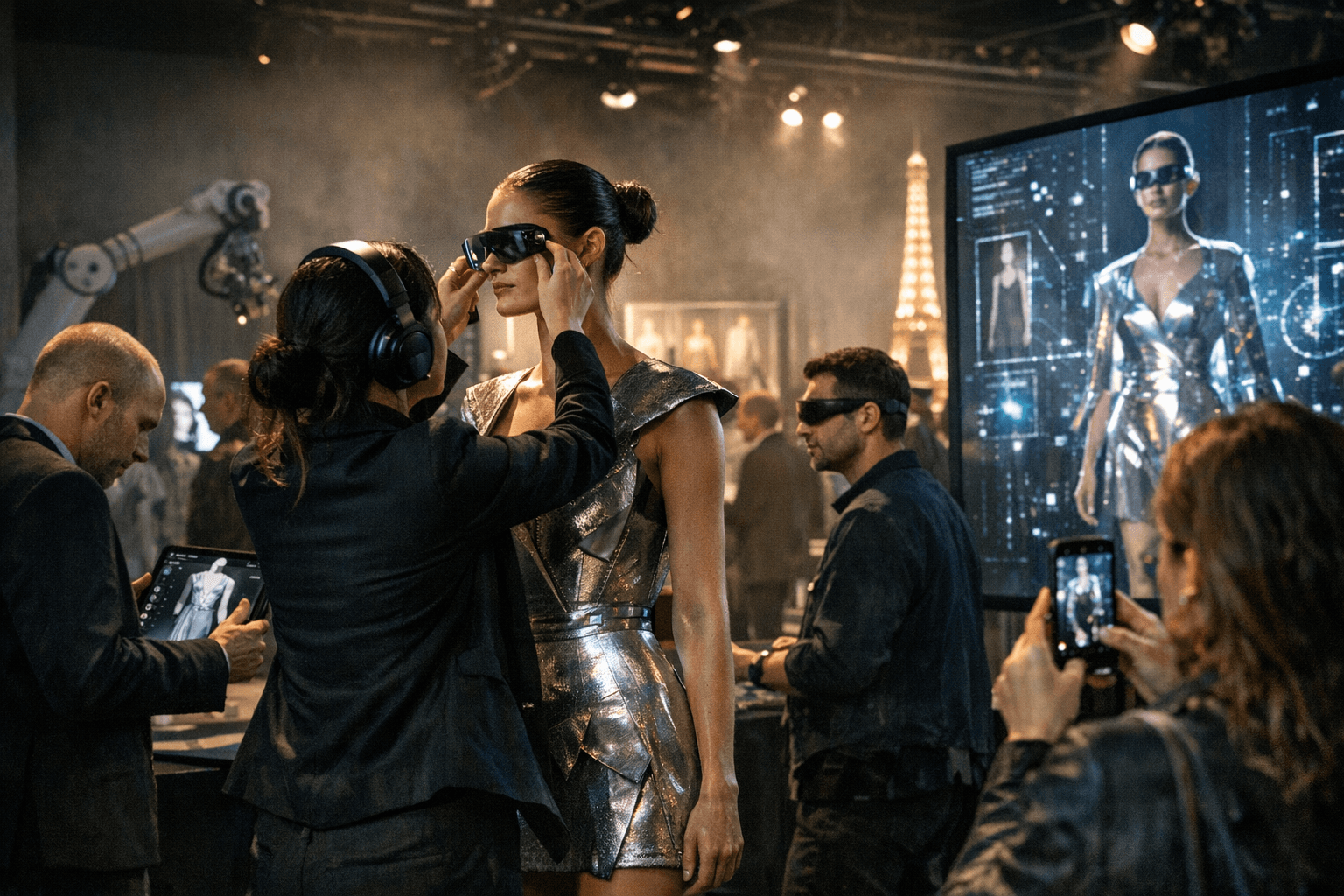
Worth noting: the Textileworld listing describes the Raleigh gathering as a one-and-a-half-day conference while listing calendar dates that span March 31 through April 2, a three-day window. That discrepancy hasn't been clarified in available materials, and the program's exact daily structure remains to be confirmed.
What's clear is that 2026 has become a convergence year for AI and fashion, with Paris setting the cultural tone in early March and Raleigh drilling into the technical infrastructure weeks later. Two different audiences, two different registers, one accelerating argument.
This article was produced by Prism’s automated news system from verified source data, official records, and press releases, then run through automated quality and moderation checks before publishing. The system is built and supervised by the people who set the standards it runs under. Read our full AI policy.
Did this article answer your question?


