Fashion Turns to Bold Belts, Bag Charms and Loud Jewelry
It-bags are losing the spotlight as spring 2026 leans into personality pieces that transform basics, from $40 belts to sculptural jewelry.
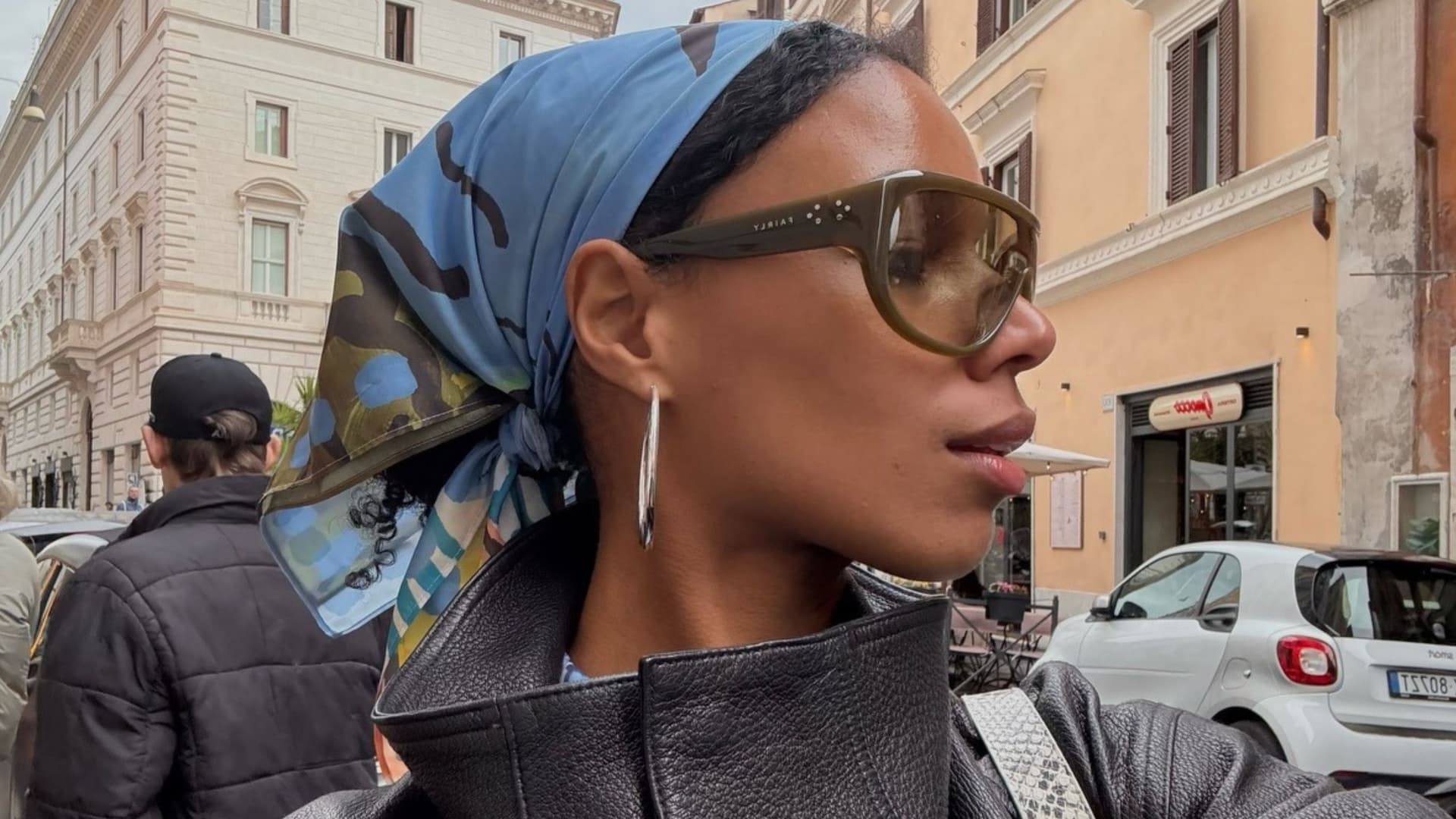
The style mood shift is unmistakable: fashion’s old status game is cooling off, and personality-first accessories are taking the lead. Instead of another handbag meant to signal taste from across the room, the sharper flex now is a single piece that can rewrite a plain outfit in seconds, whether that means a bold belt cinching a blazer, bubble shades adding attitude, or jewelry that looks collected rather than coordinated. With standout accessories in the mix starting at $40 and climbing to $595, and labels like Reformation, Sézane and Revolve feeding the appetite, spring 2026 is making the case that one strong finishing touch can do what a whole bag obsession used to.
Bold belts
A bold belt is the quickest way to redraw proportions, which is why it feels so right for this moment. Buckle one over an oversized shirt, a slouchy knit, or a straight-cut dress and the whole silhouette suddenly has intention, as if the outfit was edited in the mirror rather than just thrown on. That is the appeal: it gives structure without stiffness, and it can turn a simple uniform into something that looks styled, not merely worn.
What makes the belt story feel especially current is how it answers the fatigue around prestige handbags. The Row’s 90’s Bag, Prada’s Route and Saint Laurent’s Mombasa still loom large in fashion conversation, but a belt delivers a fresher kind of polish with far less investment and far more flexibility. It is the rare accessory that can feel utilitarian and expressive at once, which is exactly why it is moving from afterthought to outfit anchor.
Bubble shades
Bubble shades are the season’s proof that sunglasses do not have to be discreet to be chic. Their job is less about disappearing into the background and more about changing the temperature of everything else you are wearing, especially when the rest of the look is simple. Think of them as a visual exclamation point, the sort that can make a white tee, tailored trousers, or a cardigan feel newly edited.
Their rise fits the broader turn toward accessories that carry personality on their own. Where the old luxury formula prized restraint, this one rewards a little drama at face level, the kind that makes even a low-key outfit look deliberate. In spring 2026, bubble shades are not just practical sunwear, they are a mood-setter, and that is what gives them staying power beyond one quick trend cycle.
Sweet scarves
Scarves are moving well beyond the neck, and Copenhagen gave that shift real momentum. Fashionista’s street-style coverage from Copenhagen Fashion Week Spring 2026 showed showgoers wearing mini handbags around the neck like necklaces and tying scarves into makeshift belts, a styling trick that first surfaced over the summer and looked poised to keep spreading through fall. That kind of improvisation is important because it shows the accessory trend is not only about buying something new, it is about rethinking what you already own.
The scarf works because it is incredibly adaptable. Tie it around the waist to soften denim, knot it on a bag handle, or wrap it through belt loops to wake up a basic black dress, and it immediately reads as personal rather than prescribed. In a season where the best accessories are the ones that feel collected, a scarf has the right mix of softness, color and attitude to make a familiar outfit look less finished in the expected way and more finished in the interesting one.
Bag charms
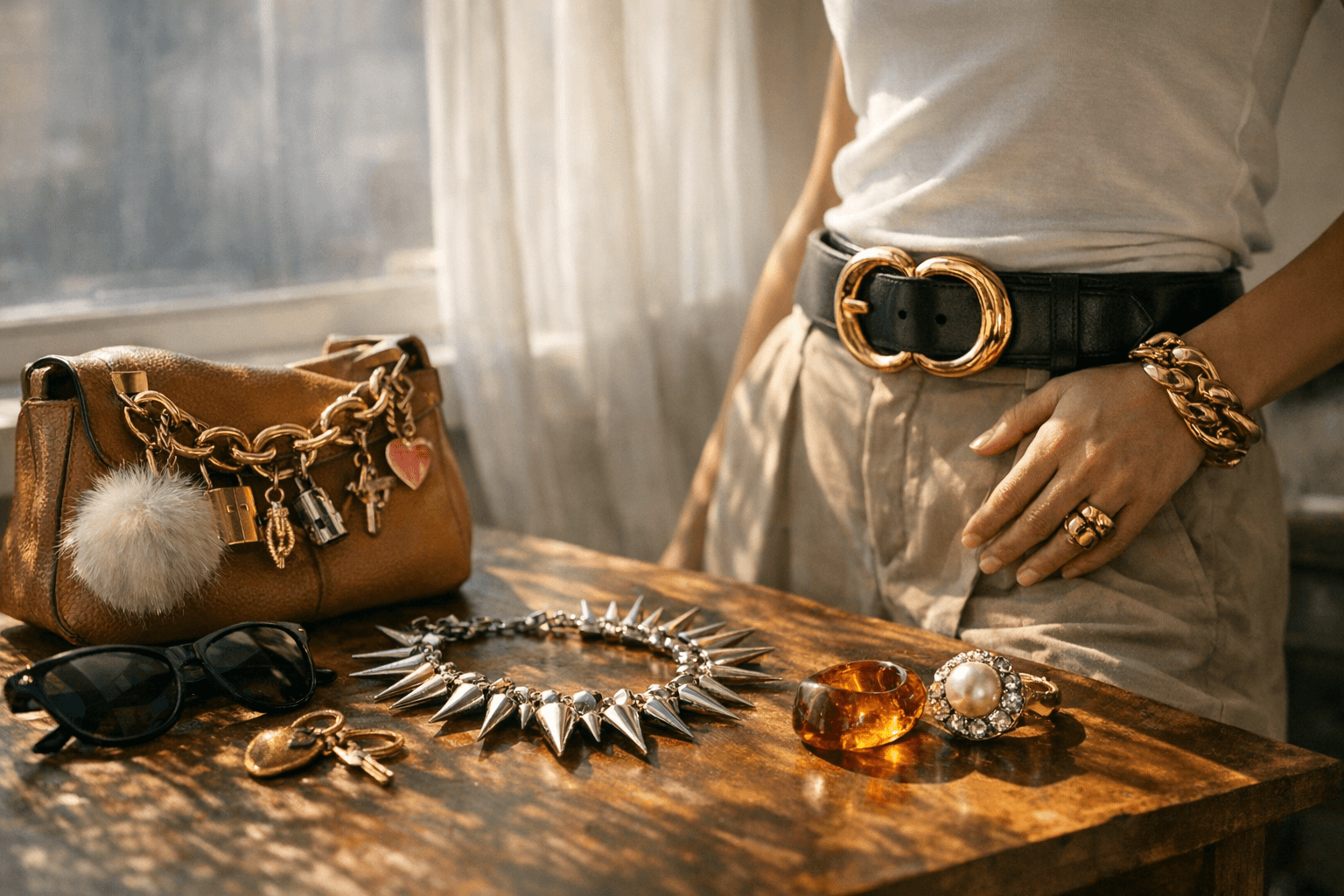
Bag charms may have started as a playful aftershock to minimalist luxury, but they have become a full language of personalization. Who What Wear traced the craze through the viral Labubu moment of 2025, when decoration itself became part of the appeal, and the next chapter is even broader, more layered and more maximalist. The charm is no longer a novelty dangling from a handle; it is a small signal that says the bag is yours, not just a logo in motion.
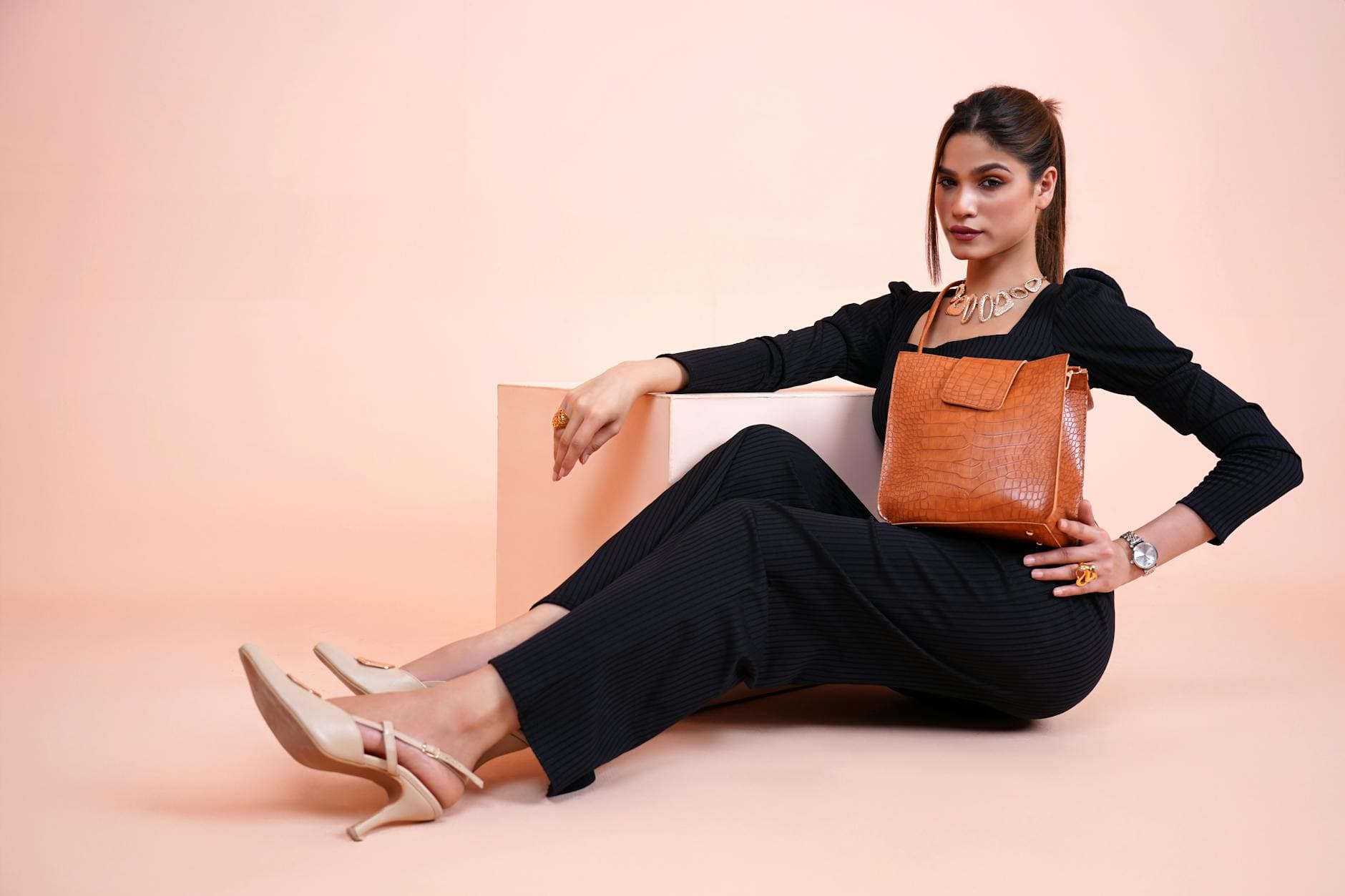
That matters because the modern accessory market is built on exactly this kind of customization. Statista projects global accessories revenue at US$758.14 billion in 2026, with watches and jewelry as the largest segment at US$544.27 billion, while the United States is expected to be the biggest handbags market by revenue. In other words, the business of accessories is enormous, and bag charms sit right at the intersection of commerce and self-expression, where a basic tote can be transformed with one small, mischievous detail.
Loud jewelry
Jewelry is where the new fashion mood becomes most obvious, because the pieces are getting bolder, tactile and more emotionally charged. Jillian Sassone of Marrow Fine Jewelry says jewelry in 2026 feels “sculptural, statement-making and personal,” while Ashley Moubayed of Don’t Let Disco says people want pieces that feel collected, expressive and a little unexpected. That is a clean departure from the polished minimalism that dominated for so long, and it explains why the most compelling necklaces, rings and earrings now look as if they have a story before you even put them on.
The shapes are shifting too. Fashionista’s coverage of 2026 jewelry points to layering, stacking, mixed textures, bold forms, colorful gemstones and organic lines, with designers also turning to wood, ceramic, glass beads, corded tassels and resins as gold prices rise. That material mix gives the category a more tactile life, and it makes sense on the body: one oversized necklace or a stack of irregular rings can turn a simple tank, slip dress or blazer into something that feels intentionally styled.
Taken together, these accessories mark a reset, not a replay. Spring 2026 is not asking for a bigger logo or a more precious bag so much as a sharper point of view, and the smartest way to wear that shift is with one piece that changes the whole sentence of an outfit.
This article was produced by Prism’s automated news system from verified source data, official records, and press releases, then run through automated quality and moderation checks before publishing. The system is built and supervised by the people who set the standards it runs under. Read our full AI policy.
Did this article answer your question?


