Gen Z's comfort-first summer staple is the utility belt bag
The utility belt bag is Gen Z’s answer to hot-weather dressing: hands-free, pocketed, and runway-approved. Wear it like an accessory, not a gimmick.
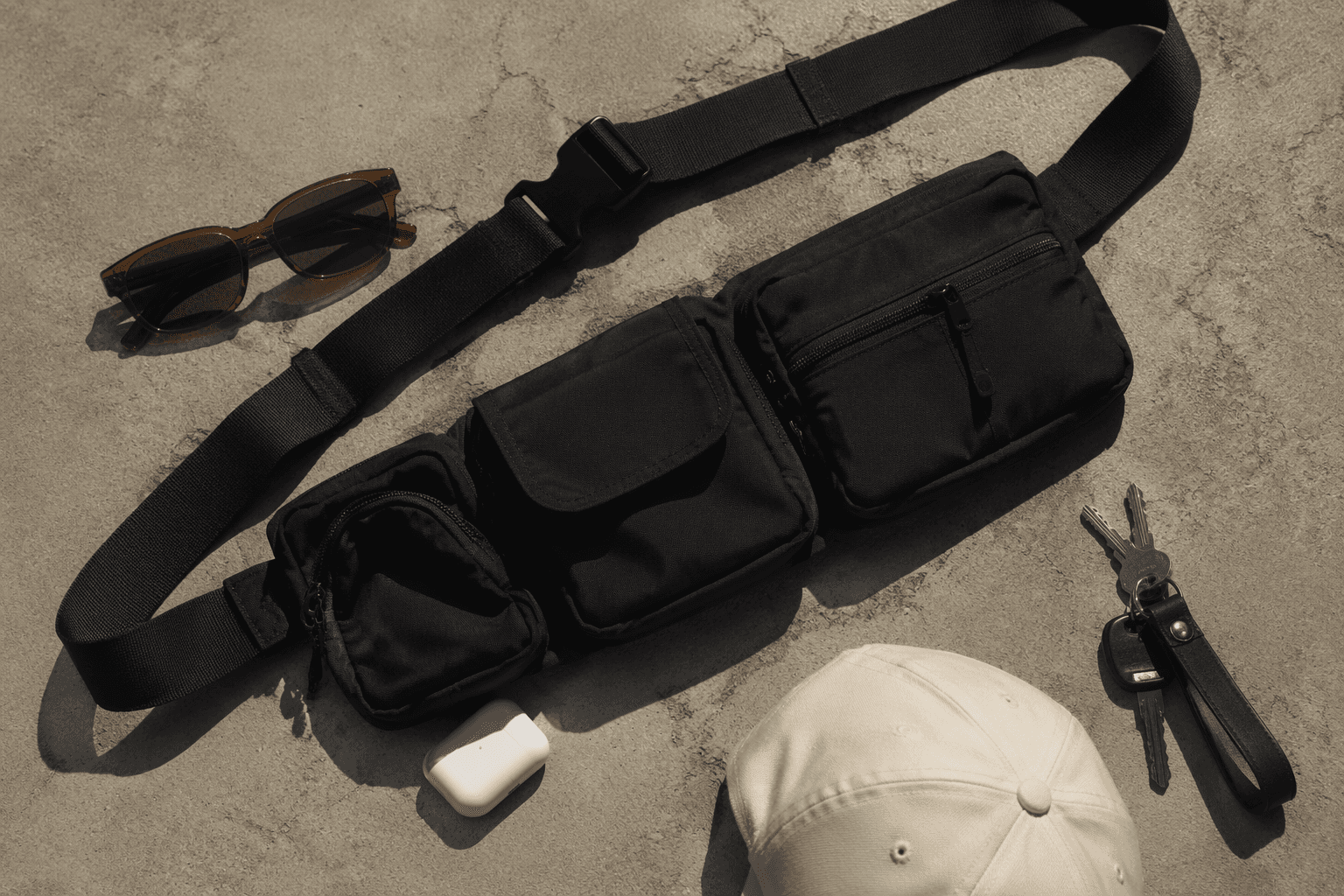
Gen Z has turned the belt bag into something smarter than a throwback. Worn at the waist and built with pockets, it clears your hands, trims the fuss, and still reads as fashion, which is exactly why it fits summer dressing so cleanly. On crowded subway platforms, at concerts, and during long city days in heat, it behaves less like a novelty and more like a small shift in how people want to move.
Why the utility belt bag feels right now
The appeal starts with function. A waist-worn bag does the work of a pocket and the polish of an accessory, so it makes sense for errands, travel, and the kind of daily plans that do not leave room for hauling a big shoulder bag. That practical edge is what separates the utility belt bag from costume dressing: it earns its place by reducing the stuff you have to think about.
It also taps into a very current mood in fashion, where comfort no longer means abandoning style. The bag sits close to the body, keeps weight off the shoulder, and gives summer outfits a cleaner line. In warm weather, that matters. Anything that keeps you moving without asking you to baby a strap or fumble for your phone starts to feel less like a trend and more like a relief.
Runway brands gave the silhouette permission
The utility belt bag did not come out of nowhere. Coperni and Eckhaus Latta, both established ready-to-wear labels, help explain why the shape feels credible rather than merely viral. Coperni, the Paris-based brand founded in 2013 by Sébastien Meyer and Arnaud Vaillant, has long been associated with sleek, directional accessories. Eckhaus Latta, founded in New York City in 2011 by Mike Eckhaus and Zoe Latta, brings a different kind of fashion authority, one rooted in downtown ease and a sharp eye for how clothes behave on the body.
That runway validation matters because it places the bag inside a broader accessory conversation, not just a shopping trend. Vogue Singapore noted that Prada and Miu Miu showed harnessed belt and belted bag styles in their spring 2024 collections, and that kind of repetition across labels is usually where a one-off idea starts to harden into a lasting shape. The message from the runways is clear: this is not just a festival piece with a clever buckle.
Editors have kept tracking belt trends into 2026, which tells you the category has staying power beyond one season’s novelty cycle. When a silhouette keeps resurfacing across fashion coverage, it usually means the industry has found a way to reinterpret it for different wardrobes. In this case, the utility belt bag has moved from practical accessory to style signifier without losing the first part of its appeal.
How to wear it so it looks intentional
The easiest way to wear a utility belt bag is to let it do one job at a time. Pair it with a graphic tee and the bag reads casual, sharp, and a little subversive, especially when the rest of the outfit stays simple. That contrast is the point: a sporty waist bag against an easy T-shirt gives the look shape instead of making it feel like you grabbed the nearest pouch on the way out.
Color matching also helps the trend look considered. If the bag echoes your shoes, the whole outfit feels tighter and less accidental, which is useful when the silhouette sits right in the center of your body and can otherwise dominate the look. The trick is not to over-style it. Let the bag be the statement, and keep the rest of the outfit clean enough that its shape can breathe.
For summer, that usually means clothing that does not compete with the bag’s practical energy. The more heat, movement, and transit you expect, the more natural the piece feels. It works best when your outfit needs one strong gesture and one obvious reason to be hands-free.
Who it suits, and when it starts to feel forced
The utility belt bag is strongest for anyone who actually wants less in their hands. If your day means a phone, cards, keys, and maybe a lip balm, the format makes sense immediately. It is especially useful for travel, city errands, concerts, and warm-weather plans where a tote or shoulder bag starts to feel clumsy.
It becomes less convincing when you try to make it carry the load of a full day’s kit. The style is built for streamlined packing, not for pretending to replace every bag in your closet. That is where the line between functional and gimmicky appears: when the bag is used as a real solution, it feels modern; when it is worn only to signal trend literacy, it starts to look like a costume.
Why the shape keeps coming back
There is also nostalgia at work. Belt bags, waist bags, and fanny packs have a longer lineage that runs through older waist-pouch forms and into the 1990s, when the silhouette hit a major popularity peak. Fashion keeps returning to it because the idea is simple and durable: carry what you need, keep your hands free, and fasten the function directly to your outfit.
That history helps explain why the utility belt bag feels fresh without being unfamiliar. It is familiar enough to read immediately, but current enough to satisfy the modern appetite for utility dressing. In a season where people want ease, movement, and a little polish in the same package, the waist-worn bag lands exactly where fashion and practicality meet.
This article was produced by Prism’s automated news system from verified source data, official records, and press releases, then run through automated quality and moderation checks before publishing. The system is built and supervised by the people who set the standards it runs under. Read our full AI policy.
Did this article answer your question?


