Gen Z’s summer style picks, fringe, lace and slouchy silhouettes
Gen Z is trading polished minimalism for fringe, lace, slouch and tomato-red accents, choosing pieces that feel personal, repeatable and ready to wear.
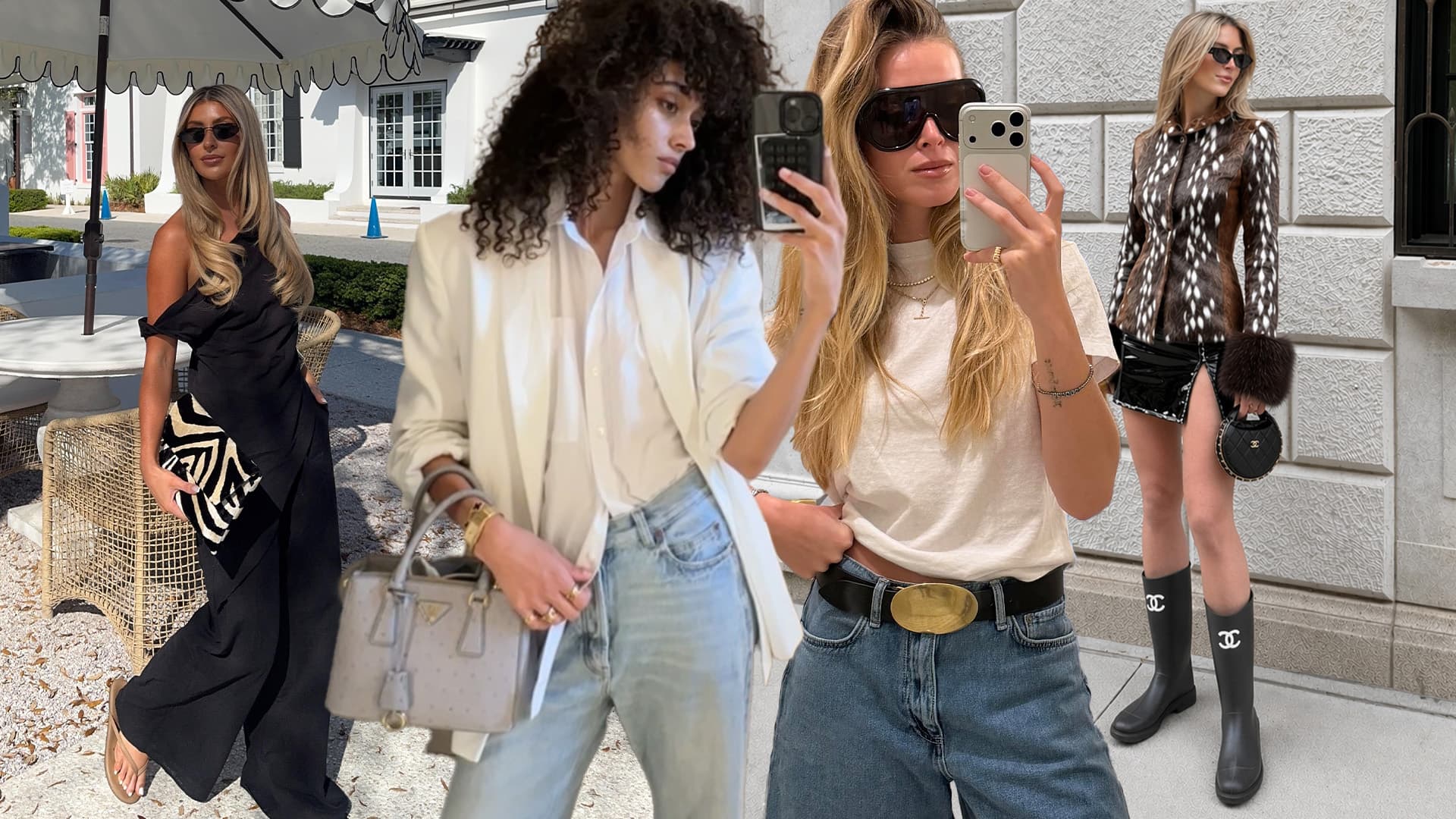
The summer wardrobe Gen Z is actually building
Gen Z is not waiting for editors to hand down a summer uniform. It is already choosing fringe, lace, slouchy trousers, jelly flats and sharp little accessories that make an outfit feel personal rather than prescribed. The clearest signal is simple: this is a generation dressing for itself, for friends, and for the photo dump, not for a generic trend cycle.
Who What Wear’s latest Gen Z read starts there, with Sierra Mayhew asking stylish names from her FYP what they are wearing, buying and excited about right now. The answers map a wardrobe that is more edited than expansive, more individual than instructive, and noticeably less interested in the old polished formula. Instead of one clean answer, the trend picture is built from outfit formulas, under-the-radar labels and pieces with enough character to hold up in real life.
Fringe, lace and the new romantic instinct
London Boscamp is the clearest voice in the mix, and her priorities say a lot about where Gen Z summer dressing is headed. She is most excited for fringe and lace, two treatments that could easily slip into costume if handled badly, but feel right now because they are being pulled into modern, wearable shapes.
Fringe works because it brings motion. It is playful for summer events and vacations, the kind of detail that catches light at golden hour and moves with a skirt hem, a bag, or a sleeve. Lace, by contrast, gives the season its softer note, but only when it is cut and styled with restraint. The appeal is not nostalgia for its own sake; it is the tension of something romantic being worn in a harder, cleaner way.
Boscamp’s brand list is telling too. Proenza Schouler, Posse, Destree, Éliou and Christopher Esber all suggest a wardrobe that values finish, texture and a little tension between polish and ease. These are not labels built around loud logo dressing. They are the kinds of names Gen Z gravitates toward when it wants clothes that feel considered without looking overdesigned.
The color story splits between cool blue and tomato red
The season’s color direction is unusually legible. Pinterest Predicts 2026 says Gen Z and Millennials are driving the Cool Blue trend, and the search spikes are striking: glacier aesthetic is up 35 percent, icy blue is up 50 percent, and frosted makeup is up 150 percent. That points to a palette that feels fresh, airy and slightly surreal, the kind of blue that reads more like weather than trend.
At the same time, tomato red keeps surfacing as the louder counterpoint. Who What Wear’s Gen Z micro-trend coverage includes tomato-red swim shorts, and Fashion Snoops places tomato red in its SS26 Fundamental Primaries palette. The result is not a single seasonal color story, but a split-screen one: cool, icy blue on one side, punchy red on the other. One suggests softness and restraint; the other brings appetite, heat and visibility.
Trendalytics backs up that contrast-heavy mood with a broader SS26 read shaped by structure and softness, nostalgia and futurism, practical and poetic elements. Cobalt blue, singular statement outfits, stacked bracelets and neckties all show up as notable trend signals across New York and Europe, which helps explain why these colors are being worn as part of a whole look, not just as an accent.
Slouch is replacing structure, and trousers are leading the shift
If there is one silhouette change that feels commercially meaningful, it is the move away from rigidity. Who What Wear’s broader Gen Z coverage predicts slouchier silhouettes and less structure, and that shift is already visible in the way younger dressers are building outfits around ease. The old precision of a tightly edited, body-conscious look is giving way to trousers with a softer line, tops that skim rather than cling, and proportions that feel relaxed without reading lazy.
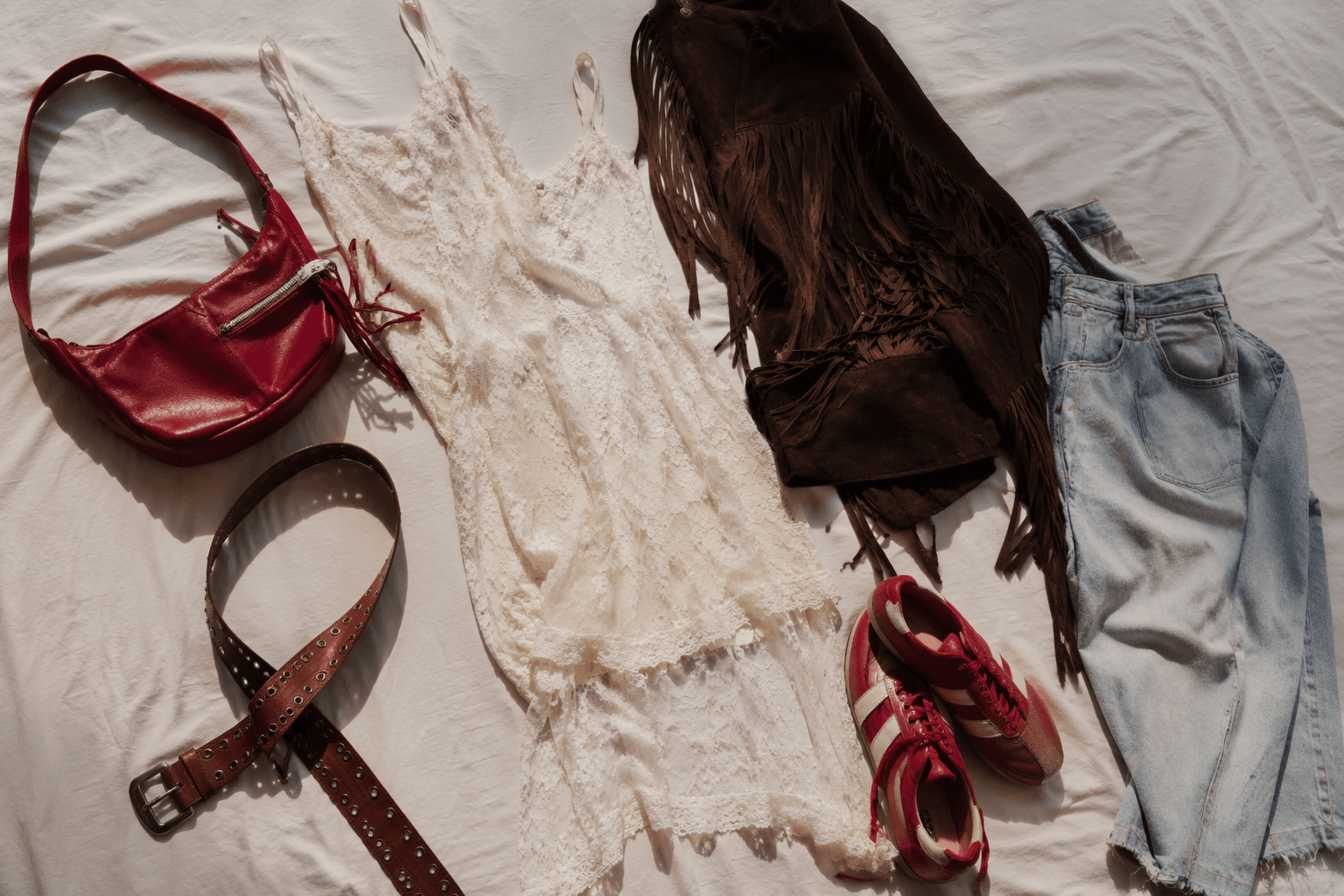
This is not anti-fit dressing. It is selective looseness. Gen Z still wants shape, but it wants shape that moves, bends and survives a full day out. That is why the trouser remains important: it is the anchor that lets the rest of the outfit breathe. In a season crowded with statement details, the trouser shift may be the most useful commercial clue of all, because it suggests shoppers are looking for pieces that can be repeated, not just photographed once.
The off-duty formula is all about styled tension
The micro-trends matter because they show how Gen Z is finishing the look. Jelly flats, carpenter belts and micro watches are dominating the cycle, and they all point to a practical, slightly irreverent way of dressing that still wants personality. None of these pieces are precious. All of them change the tone of an outfit immediately.
Sheer T-shirts layered under tanks are another telling move. It is a simple styling trick, but it gives the outfit depth, texture and a little tension between visible and hidden. Stack in a micro watch, add carpenter belts or stacked bracelets, and the message is clear: this generation likes a hard-working base with one or two add-ons that keep it from feeling flat.
Pinterest Business goes even further, describing an ASMR-heavy accessory mood shaped by Gen Z and Millennials, with rubberized nail art and 3D jewelry in the mix. That may sound playful, but it fits the larger picture. The new off-duty formula is tactile and a bit unexpected, the kind of styling that makes sense on a sidewalk and also reads well in a close-up.
The coastal uniform is edited, not escapist
There is also a strong coastal current running through these picks, but it is not the breezy, generic version of beach style. It is more edited, more texture-led and more willing to mix romance with utility. Fringe belongs here because it works for vacation dressing without becoming obvious resort wear. Lace fits too, especially when it is made modern and worn with flat sandals, a worn-in bag, or a sharper accessory.
This is where the smaller brands matter. Posse, Éliou and Destree sit comfortably in the space between vacation and everyday, between something you pack and something you keep wearing when you get home. Even Proenza Schouler and Christopher Esber, with their stronger design signatures, feel relevant to this mood because they balance polish with movement and keep the line between city and coast intentionally blurred.
Why this matters to the market
The spending data explains why this trend map is worth watching. WWD x BCG found that shoppers under 28 spend 7 percent more on apparel and shoes and 10 percent less on dining out than older counterparts, and that 40 percent of fashion spending over the next decade is expected to come from Gen Z and Gen Alpha. That is not a niche signal. It means the taste of this group will shape what gets bought, repeated and stocked.
Depop’s 2026 forecast adds another layer: Gen Z is tightening wardrobes, repeating outfits more often and leaning into capsule thinking and secondhand fashion, driven by economic anxiety, political noise and environmental dread. Put that together with the fringe, lace, slouch and color signals, and the picture is much sharper than a loose youth-style roundup. Gen Z is not buying more for the sake of more. It is buying pieces with enough distinction to carry a summer, enough versatility to repeat, and enough character to make an outfit feel like its own statement.
This article was produced by Prism’s automated news system from verified source data, official records, and press releases, then run through automated quality and moderation checks before publishing. The system is built and supervised by the people who set the standards it runs under. Read our full AI policy.
Did this article answer your question?


