Giambattista Valli buys back full control of his Paris label
Giambattista Valli reclaimed his Paris house from Artémis, ending a six-year investor arc as the label tries to reset after show cancellations and a luxury slowdown.
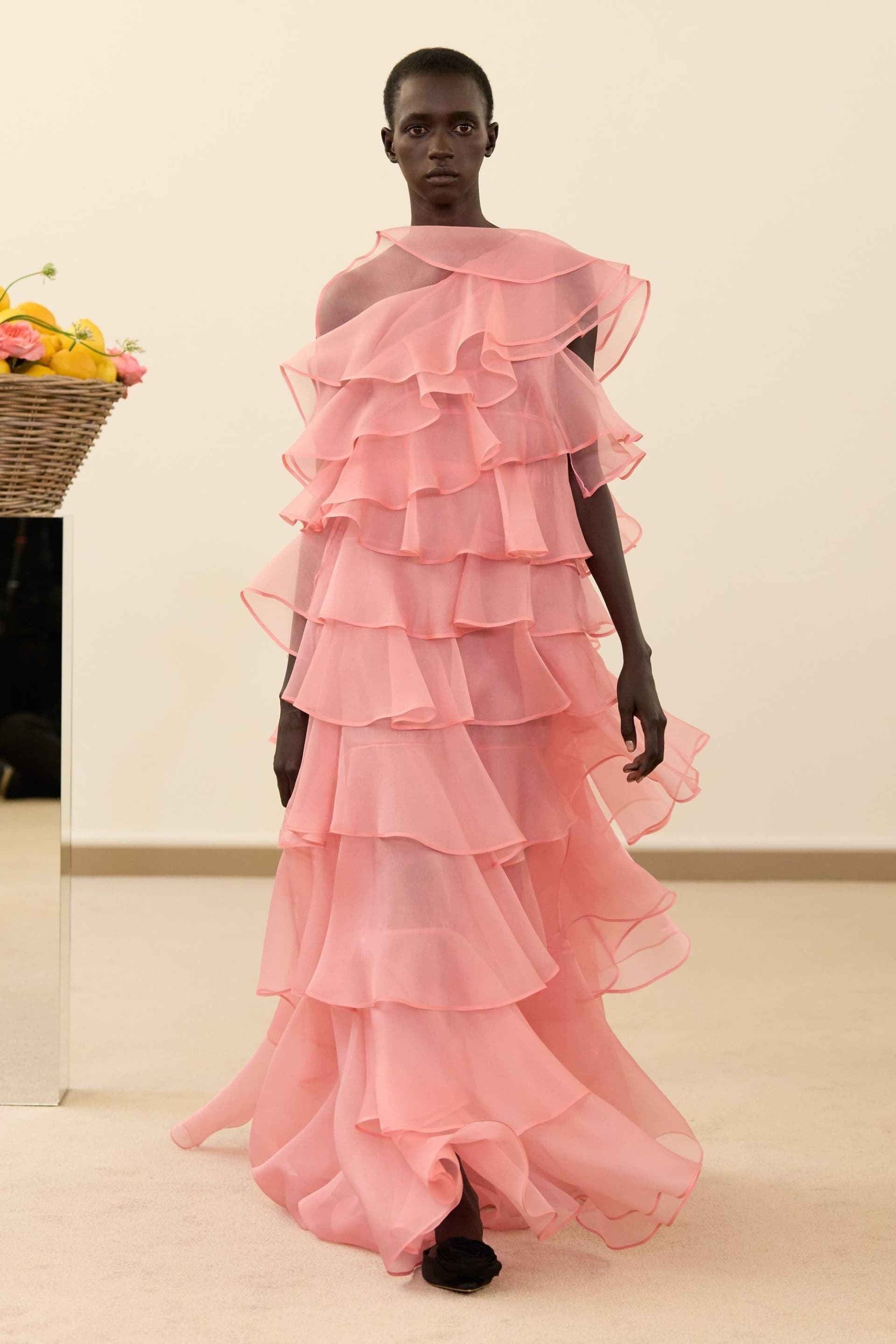
The loudest thing about Giambattista Valli’s buyback was the price that never got said out loud. He took back full control of the Paris label he launched in 2005, buying out Artémis, the Pinault family investment arm that had held the majority stake since 2021.
This was not a sentimental handoff. It was a founder-control move, and the timing tells the real story. Valli, now 59, had spent years building a house that sits in a rare lane on the Paris couture calendar as one of the few non-French names sanctioned by the Chambre Syndicale de la Haute Couture. He showed his first couture collection in July 2011 and became an official member that same year. More than a decade later, he is back in charge of the entire operation, with the financial terms undisclosed and the language around the deal deliberately restrained. Artémis said the agreement was reached “in a spirit of mutual respect and responsibility.”

That restraint matters because the house has not exactly been moving like a brand in full command of its future. Giambattista Valli canceled its Spring 2026 haute couture show in January and then suspended its Autumn/Winter 2026 ready-to-wear presentation during Paris Fashion Week in March. For a label built on spectacle, volume, and the kind of crystal-bright romanticism that usually wants a runway to breathe, those cancellations signaled strain. They also made the buyback feel less like a vanity flourish and more like a reset.
Artémis’ exit says something bigger about investor patience in luxury right now. Reuters linked the sale to a broader disposal drive aimed at underperforming investments as the luxury market slowed and debt concerns sharpened around the Pinault orbit. Artémis, led by François-Henri Pinault and positioned behind Kering, had first invested in Giambattista Valli in 2017, then moved to majority control in 2021. That arc was supposed to give an independent couture house the kind of capital and structure that can fuel growth. Instead, it ends with the founder buying the brand back.
What Valli gains now is not just ownership, but pace. Full control can change how often the house shows, how tightly it distributes, and how aggressively it pushes product. It can also decide whether Giambattista Valli stays a delicate couture proposition or becomes something sharper, faster, and less dependent on investor mood. Valli thanked Artémis for its support and said the deal lets him pursue the brand’s development with enthusiasm and energy. In luxury, that usually means one thing: the founder wants the wheel back.
This article was produced by Prism’s automated news system from verified source data, official records, and press releases, then run through automated quality and moderation checks before publishing. The system is built and supervised by the people who set the standards it runs under. Read our full AI policy.
Did this article answer your question?


