Lanvin names Barbara Werschine CEO, targets luxury and lifestyle push
Barbara Werschine arrives with Hermès and Louis Vuitton polish just as Lanvin cuts stores, leans on direct sales, and bets on a broader lifestyle play.
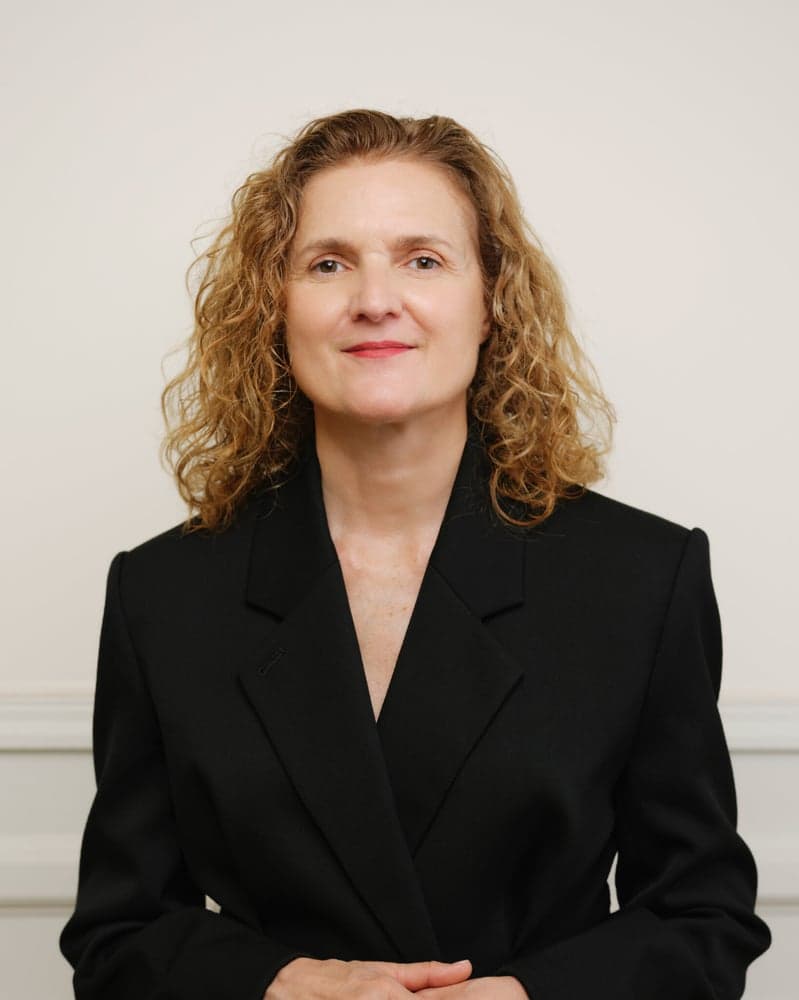
Lanvin’s new chief executive does not read like a housekeeping hire. Barbara Werschine takes over as the house is still digesting a rough 2025, and her résumé points straight at the parts of luxury that matter most now: pricing discipline, tighter distribution, and the ability to make a brand feel covetable across more than one category.
Lanvin Group named Werschine CEO on May 29, with Andy Lew moving fully into the executive chairman role after becoming Lanvin CEO in July 2025. The house is pitching her as a veteran of brand positioning, product strategy and retail transformation, and that description fits the job Lanvin needs done. Werschine comes from Eric Bompard, where she served as CEO, and she also spent time on Hermès’ executive committee as director of leather goods collections. Her background runs through Celine, Louis Vuitton and Zadig & Voltaire too, which is a neat way of saying she has worked inside the machinery of modern luxury, where margin, image and channel control are all part of the same sentence.

The timing matters because Lanvin Group is coming off a difficult year. Revenue fell 18 percent to about €240 million in fiscal 2025, while the company posted a net loss of €263 million. Direct-to-consumer accounted for 68 percent of revenue, and the group closed 51 stores as part of a retail optimization drive. That is not the profile of a house casually adding another executive. It is a business trimming fat, trying to protect desirability, and deciding that fewer doors may be better than too much exposure.
For Lanvin itself, the mandate is bigger than a normal turnaround. Founded in 1889 by Jeanne Lanvin, it is the oldest operating French couture house, and the brand says it spans women’s ready-to-wear, men’s ready-to-wear, bespoke and made-to-measure, accessories and children’s collections. Now the brief also includes menswear expansion and a return to homewares, a move that makes sense only if Lanvin believes it can sell a fuller lifestyle, not just clothes. That is the real test here: whether Werschine can turn the house’s heritage into a sharper luxury proposition in Europe, especially France, before the brand pushes further into the United States and Asia. For a group that owns Lanvin, Wolford, Sergio Rossi and St. John Knits, this is less a reset than a statement about where the next phase of luxury growth is supposed to come from.
This article was produced by Prism’s automated news system from verified source data, official records, and press releases, then run through automated quality and moderation checks before publishing. The system is built and supervised by the people who set the standards it runs under. Read our full AI policy.
Did this article answer your question?


