Luxury Houses Revisit Archival Icons, Monogram Codes, and Anniversary Designs
Luxury houses are mining their own archives with fresh urgency, from reworked timepieces to anniversary Monogram designs that feel less like nostalgia and more like strategy.
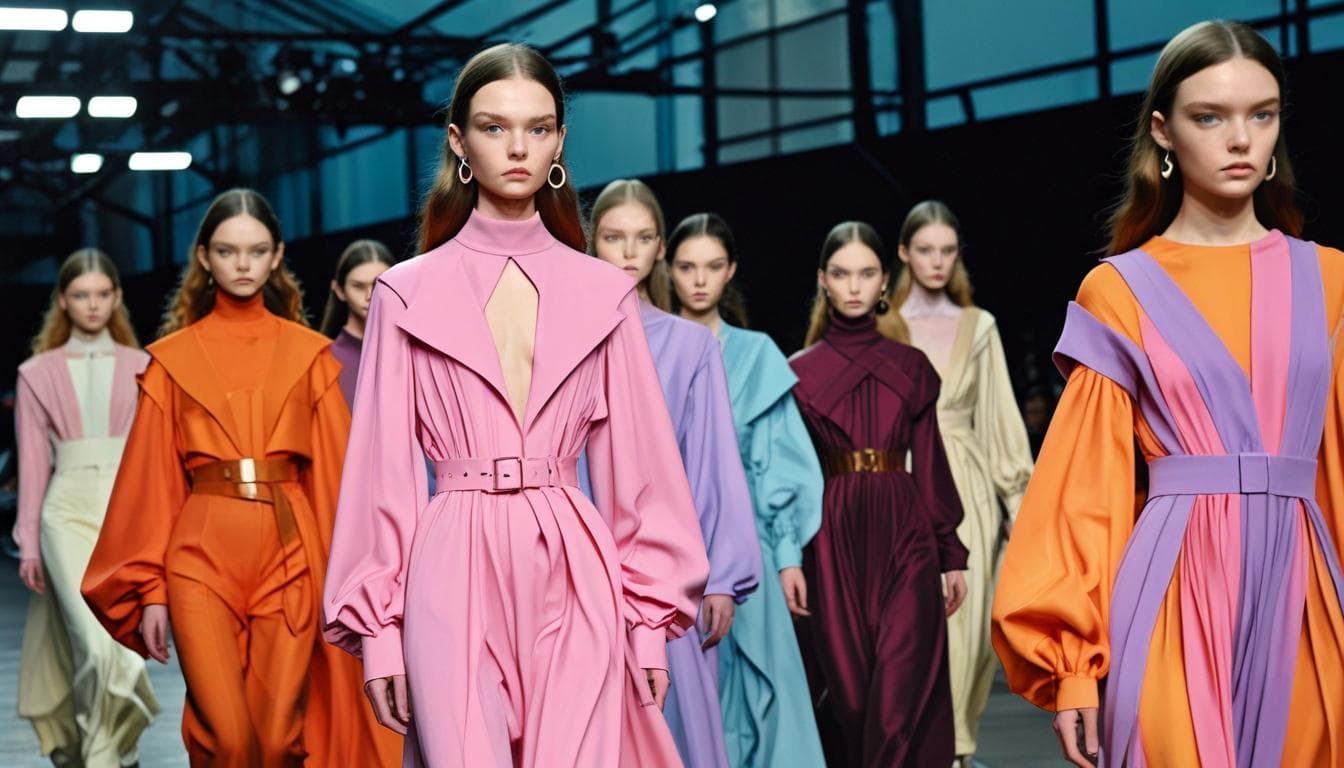
The archive has become the most valuable asset in luxury fashion, and the houses that know how to wield it are setting the pace for 2026. What's happening right now across the high-end market isn't simple nostalgia: it's a calculated, aesthetically rigorous reclamation of the codes that built these brands in the first place. Reworked timepieces, anniversary Monogram treatments, and experiential extensions of beloved signatures are landing with a confidence that feels less like looking backward and more like a very deliberate step forward.
Trend Hunter's March 2026 edition, compiled from 45 observed luxury-market developments, maps exactly this territory. The analysis, published at the end of February, identifies archival reinvention and experiential extension as the twin forces reshaping what the top of the market looks and feels like right now. For houses with decades, sometimes centuries, of visual equity to draw from, the archive isn't a museum: it's a working studio.
The Logic Behind the Archive Turn
There's a reason so many houses are reaching back right now. Consumer trust in luxury is increasingly tied to legacy, and brands that can demonstrate depth of history, an actual visual lineage that predates the current creative director, carry a credibility that newer labels simply can't manufacture. Revisiting iconic codes isn't an admission of creative exhaustion; it's a flex. It says: we invented this, and we can reinvent it on our own terms.
The reworked timepiece is one of the clearest expressions of this thinking. Watch collections tied to archival references combine the emotional pull of recognizable design with the technical evolution that justifies a new price point. A dial proportion that first appeared decades ago, reset in a contemporary case with updated movement specifications, speaks fluently to both the longtime collector and the younger buyer discovering the house for the first time. The conversation between past and present is built directly into the object.
Monogram as Living Language
Anniversary Monogram treatments occupy a particularly charged space in this conversation. The Monogram, in whatever form a given house employs it, is perhaps the most loaded symbol in fashion: immediately recognizable, frequently copied, and endlessly debated in terms of what it signals about the person wearing it. When a house reissues or reinterprets its Monogram for an anniversary, it isn't simply printing an old pattern on a new bag. It's staking a claim about what that symbol means today, who it belongs to, and where it's going.
The most effective anniversary designs use the occasion to do something structurally interesting: they introduce a material shift, a colorway that wouldn't appear in the standard line, a silhouette that updates proportion while keeping the graphic logic intact. The result is a piece that reads as both archive and current collection simultaneously. That dual temporal quality is what drives the secondary market frenzy that tends to follow these releases; a buyer isn't just acquiring an object, they're acquiring a document.
Experiential Extensions of Iconic Codes
Beyond product, the Trend Hunter analysis flags experiential extensions as a key vector for archival reinvention. Houses are increasingly translating their foundational codes into environments: retail activations, immersive presentations, and cultural programming that lets a customer inhabit a brand's visual world rather than simply purchase from it. This is where the archive becomes genuinely generative rather than merely decorative.
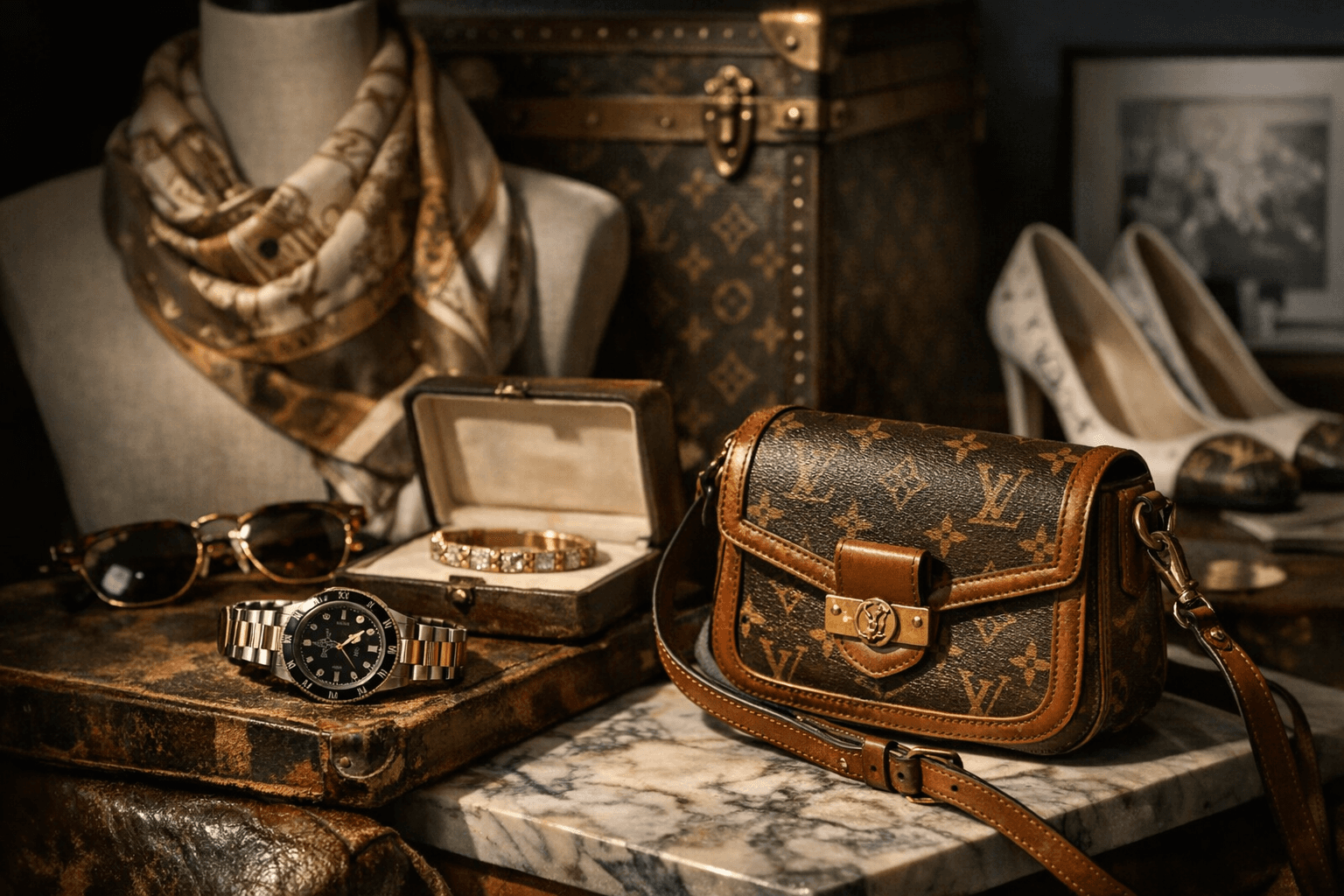
A house whose signature is rooted in a particular craft tradition might build an installation around that craft, making the process visible and tactile in a way that a product alone cannot. One whose icons are tied to a specific cultural moment might stage a retrospective that contextualizes the archive within a broader art or design history. The experiential layer doesn't replace the product; it amplifies the meaning of wearing it.
What This Means for How You Shop
Understanding the archive logic changes how you evaluate what's worth buying from these collections. A reworked archival piece carries different weight than a purely seasonal one. Consider:
- Whether the reinterpretation introduces genuine material or construction innovation, not just a colorway refresh
- Whether the anniversary context adds documentary value to the piece's long-term significance
- Whether the silhouette update reflects where the house's design language is actually heading, or simply where it has been
- Whether the experiential programming surrounding a release suggests the house has a coherent narrative, or is simply leveraging nostalgia for a sales cycle
The houses doing this well tend to release archival reinterpretations with a clear point of view attached. The ones doing it poorly tend to produce pieces that feel like reproductions rather than evolutions: technically accurate to the original, but oddly inert.
The Broader Market Signal
Forty-five discrete luxury-market developments tracked within a single month, all converging on the same archival impulse, is not a coincidence. It reflects a consensus among creative directors, brand strategists, and marketing teams that the most defensible position in luxury right now is depth. In a market where new entrants can scale aesthetics quickly and algorithmic trend cycles compress the runway-to-retail timeline dramatically, heritage is genuinely difficult to replicate. You can't fake a 100-year-old Monogram. You can't manufacture the cultural weight of a timepiece that appeared on the wrist of someone historically significant.
The houses leaning hardest into this territory are the ones most secure in their own iconography. They have enough visual material to work with that the reinvention feels expansive rather than repetitive. For the consumer, that translates into a more interesting product landscape: pieces that carry a story, that exist in conversation with something larger than a single season's aesthetic, and that tend to hold their relevance, and often their resale value, longer than trend-driven alternatives.
The archive was always the most honest thing a luxury house owned. The smartest ones are finally treating it that way.
This article was produced by Prism’s automated news system from verified source data, official records, and press releases, then run through automated quality and moderation checks before publishing. The system is built and supervised by the people who set the standards it runs under. Read our full AI policy.
Did this article answer your question?


