Marc Jacobs blends runway, beauty and accessories in playful summer campaign
Marc Jacobs turns summer into a full visual system, stitching runway, pre-fall, beauty and accessories into one playful world. The real product is the story, and the story is designed to sell.

A bathroom mirror, a makeup touch-up, a quick phone call: Marc Jacobs is selling summer as a lived-in scene, not a static ad. The brand’s latest campaign pulls runway clothes, pre-fall looks, beauty and accessories into one bright, youthful universe, and that is exactly the point. The images are meant to feel casual, but the strategy is highly deliberate: keep the label culturally sticky, visually recognizable and easy to shop.
A campaign built like a wardrobe, not a single ad
Marc Jacobs released the summer 2026 campaign on June 11, 2026, and the strongest move is how much it folds together at once. The brand is mixing pieces from its runway, commercial pre-fall fashion, beauty and accessories in a single visual language, which makes the whole offer feel larger than any one category. That matters because the campaign does not just show clothes, it creates a setting where the clothes, bags and makeup all belong to the same young, feminine world.
The result is less like a traditional seasonal image drop and more like brand-world building. A viewer is not asked to admire one hero look and move on. Instead, the campaign invites the eye to linger over the details: the handbag, the tote, the clothing, the beauty touch-up, the social moment. That is how Marc Jacobs turns imagery into demand.
Question Marc turns storytelling into a shopping engine
This campaign is the next chapter in Marc Jacobs’ social-first storytelling platform, Question Marc, which launched in April 2026 with The Scene. That first installment, a scripted micro-drama written by and starring Rachel Sennott, followed her racing around Manhattan to try to secure a Met Gala invitation. Marc Jacobs framed it as the first chapter in an ongoing microdrama series, and the new summer campaign extends that same logic rather than abandoning it for a standard seasonal ad.
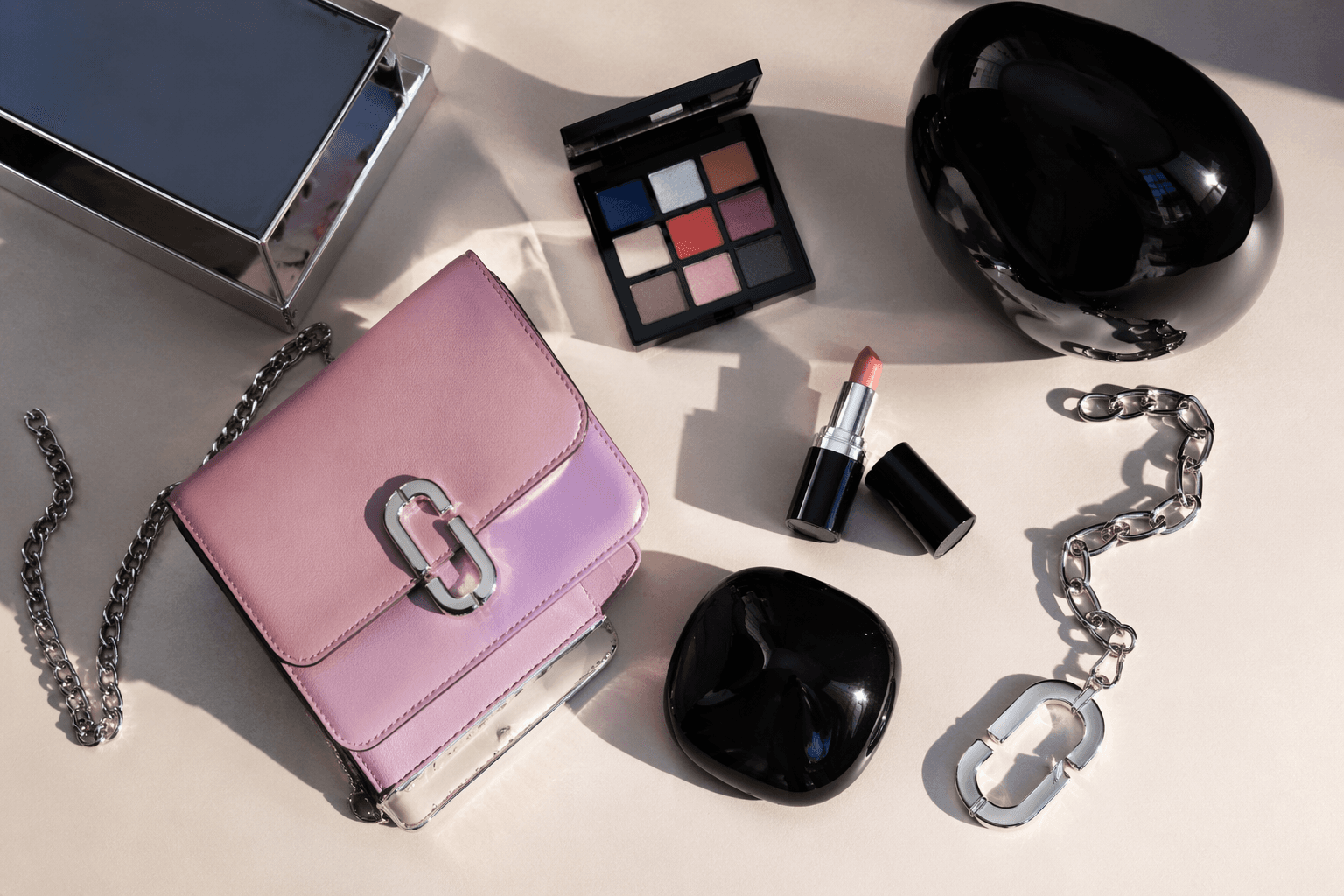
The summer installment leans into a slice-of-life approach: intimate bathroom-mirror moments, makeup touch-ups, phone calls and conversations with friends. It is all calibrated to feel familiar to social-native viewers who are used to narrative fragments and character-driven clips, not polished static luxury campaigns. Kristin Patrick, Marc Jacobs’ chief marketing officer and chief digital director, said the company has been studying how consumers consume content and that the campaign reflects a longer-running narrative-led strategy; she also said the brand is seeing “really great interaction.” That is the clearest sign that the storytelling is not decoration. It is the engine.
Why the beauty relaunch changes the picture
The campaign lands shortly after Marc Jacobs Beauty relaunched on June 1, 2026, and that timing is important. Beauty changes the way a fashion brand lives online because it gives the world a closer, more immediate point of entry. A bag can anchor the look, but a lipstick, liner or touch-up moment makes the fantasy feel like something you can step into more quickly.
By putting beauty in the same frame as runway and accessories, Marc Jacobs is building a tighter ecosystem around the Marc Jacobs girl. The styling is playful, but the commercial logic is sharp: beauty expands the frequency with which the brand can show up in feeds, while accessories give the audience an easier purchase point than a full runway look. In a crowded fashion market, that combination keeps the brand moving across categories without losing the playful tone that makes it instantly legible.
The Scene bag and the Tote are doing the heavy lifting
The campaign features the Scene handbag alongside Marc Jacobs’ signature Tote bag, and those accessories sit at the center of the brand’s summer push. On the official site, Marc Jacobs is spotlighting the Scene Bag and new Totes with the line: “Warm-weather silhouettes. Accessories that steal every scene.” That phrasing says a lot about where the brand wants attention to land. The bags are not treated as afterthoughts to the clothes; they are the objects that pull the whole campaign together.
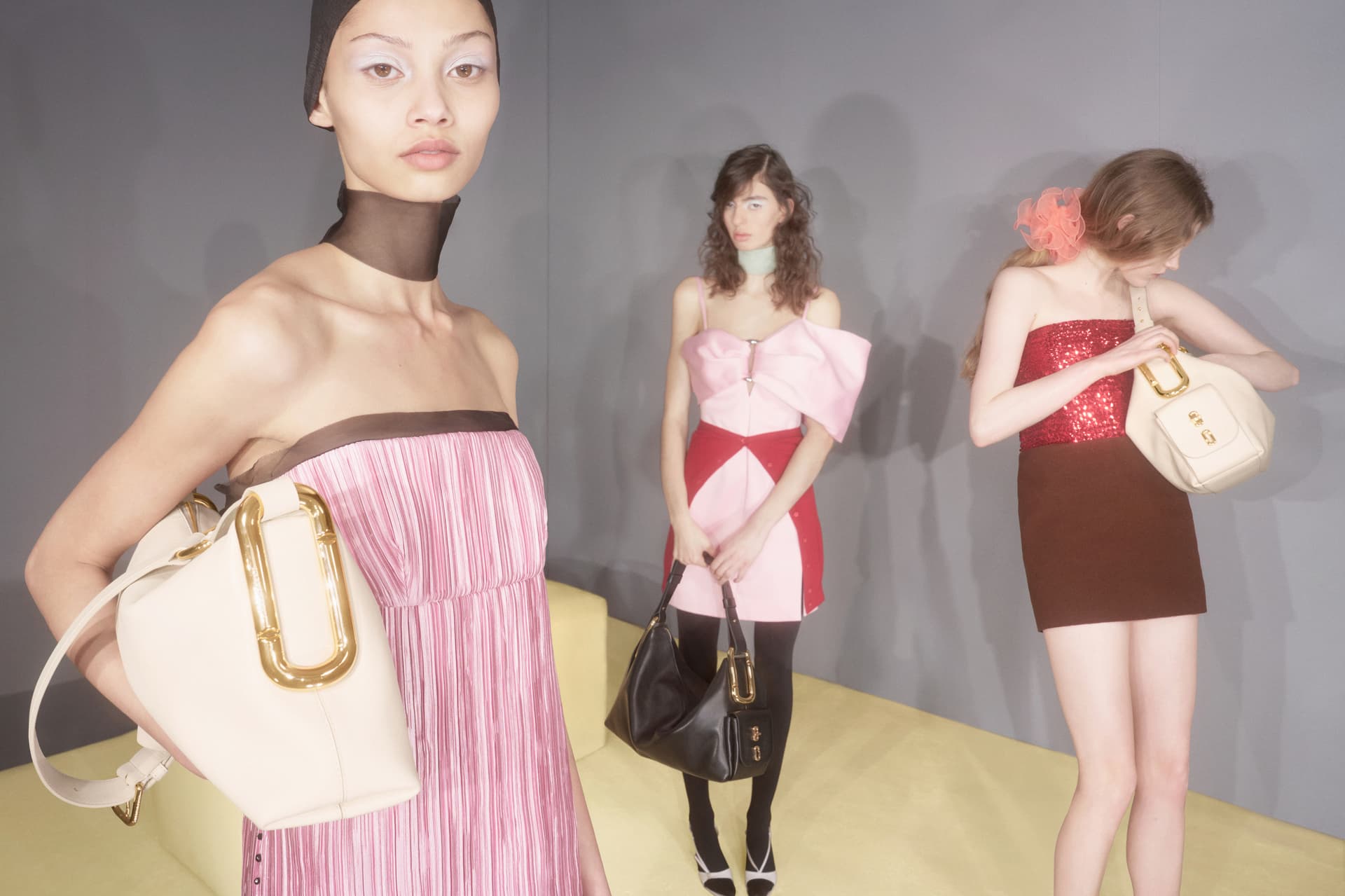
Patrick said the Scene bag is performing well in all sizes, which suggests the brand has found more than one entry point into the same idea. That is smart merchandising. A bag that works across size and styling contexts can travel from the campaign into everyday wear, from image to checkout, without losing its fashion edge. In a season built around lightness and play, that kind of versatility is what keeps a trend from feeling thin.
Olivia Petersen and the return of a youth-coded cast
The campaign also features models and Olivia Petersen, Patrick’s daughter, which reinforces the brand’s younger, more intimate visual register. The casting feels less like distant celebrity polish and more like a social circle with its own shorthand. That is in step with the rest of the campaign’s tone: personal, informal, a little bit self-aware, and still clearly fashion-first.
This matters because Marc Jacobs is not just chasing a “girlhood” mood in the abstract. It is constructing a recognizable ecosystem where cast, styling, beauty and accessories all signal the same attitude. The clothes can be seen alongside the bags, the bags alongside the beauty, and the people wearing them look like they belong in the same playful universe. That consistency is what gives the campaign staying power.
Runway continuity keeps the fashion core intact
Even with all the social-first storytelling, Marc Jacobs has not let the fashion soften into pure content. The campaign also blends the brand’s latest runway collection with new pre-fall fashions available on its e-commerce site, bringing the brand’s high-fashion image more directly into commerce. That link is reinforced by the Spring 2026 runway show, which took place at Park Avenue Armory in New York on February 9, 2026 and included 39 looks.
That runway count matters because it shows the campaign is not floating free from the collection. It is translating a real fashion proposition into a more accessible visual language. The runway gives the campaign authority, while pre-fall and accessories make it shoppable. For a brand trying to keep attention moving across screens, that mix is the sweet spot.
A bigger corporate backdrop, but the image still leads
The summer campaign also arrives after LVMH and WHP Global announced a definitive agreement on May 14, 2026 for WHP Global to acquire the Marc Jacobs brand from LVMH. That corporate shift frames the campaign in a broader commercial moment, but the creative message remains the most visible part of the story. Marc Jacobs is showing how a luxury brand can behave like a media property, with each campaign episode feeding the next category, the next product, the next conversation.
What makes the summer campaign persuasive is its discipline. It never looks like a random assortment of fashion, makeup and bags. It looks like one world, tuned for a younger audience and built to keep the label moving from runway to feed to shopping cart without breaking character. That is the new Marc Jacobs formula: make the scene, then sell everything in it.
This article was produced by Prism’s automated news system from verified source data, official records, and press releases, then run through automated quality and moderation checks before publishing. The system is built and supervised by the people who set the standards it runs under. Read our full AI policy.
Did this article answer your question?


