Marquee Brands acquires Roberto Cavalli in luxury consolidation push
Cavalli’s animal prints just changed hands, and the real story is the money behind the logo: Marquee and Authentic are turning heritage names into scalable IP.
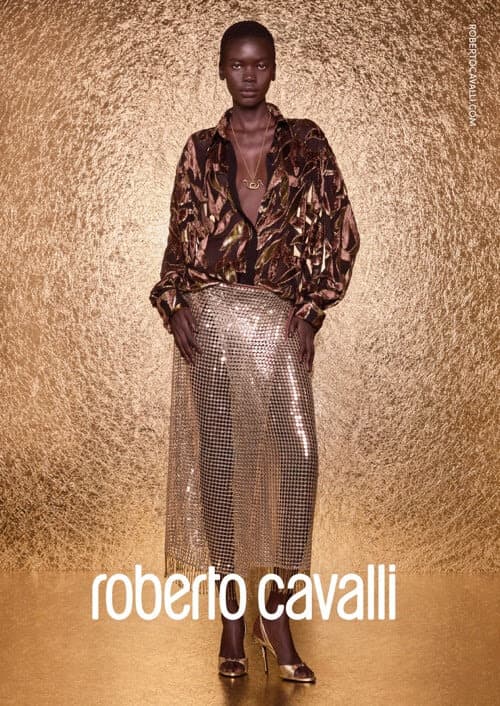
Roberto Cavalli’s wildest asset now is not a runway dress but the name on the label. Marquee Brands said on May 20 that it struck a definitive agreement for a majority interest in Roberto Cavalli through a strategic partnership with Dubai-based DAMAC Group, a move that puts one of Italy’s most recognizable luxury houses into the hands of a brand-management firm built for scale, not romance.
The deal is expected to close in the second quarter of 2026, with some reporting pointing to June. DAMAC will keep a significant minority stake, but Marquee will control the next chapter, and that chapter is all about global expansion and omnichannel growth. Heath Golden, Marquee’s chief executive, called Cavalli one of the Italian fashion houses that epitomize luxury and said the company sees extraordinary potential for careful brand stewardship and strategic expansion.
This is the part where the fashion story becomes a finance story. Cavalli, founded in Florence in 1970 and known for its bold animal prints and glossy, high-glamour attitude, is becoming Marquee’s 22nd brand. Marquee says the portfolio generates about $4.5 billion to nearly $5 billion in retail sales and works with more than 340 partners across over 100 countries. That is not a design atelier. That is an IP machine, a licensing engine, a distribution web, and a very efficient way to squeeze more value out of a name everyone already knows.
DAMAC had already stretched Cavalli far beyond clothes, pushing the label into home décor, lifestyle, residences and hospitality. Marquee is now taking that playbook and scaling it further. The upside is obvious for investors, licensors and retailers: easier margins, broader reach, and less dependence on the unpredictable rhythm of fashion weeks. The downside is just as obvious to anyone who cares about the soul of a brand. When a house becomes a portfolio line item, creative control gets thinner, and the risk of dilution gets louder with every new category, every new license, every new product that borrows the print without the point of view.

Cavalli is not moving alone. Authentic Brands Group is also back in IPO talk, with Reuters reporting on April 28 that the company planned to try going public again soon. Jamie Salter said Authentic is ahead of its five-year goal of $100 billion in sales, and on May 20 CNBC reported that he will move to executive chairman while Matt Maddox takes over as chief executive. Salter said he expects Authentic to go public sometime in the next 12 months, and one report put its 2026 revenue target at $50 billion. Maddox joined Authentic as president in January 2025 after a long career at Wynn.
This is the new luxury power structure: less atelier worship, more balance-sheet logic. The houses with the loudest names, the strongest archives and the cleanest licensing potential are no longer just brands. They are portfolios waiting to be optimized.
This article was produced by Prism’s automated news system from verified source data, official records, and press releases, then run through automated quality and moderation checks before publishing. The system is built and supervised by the people who set the standards it runs under. Read our full AI policy.
Did this article answer your question?


