Met Gala looks turn Fashion Is Art into museum-bound storytelling
The Met Gala’s sharpest looks turned couture into exhibit design, with headpieces, sculpted shapes and museum-scale storytelling setting the tone for formalwear.
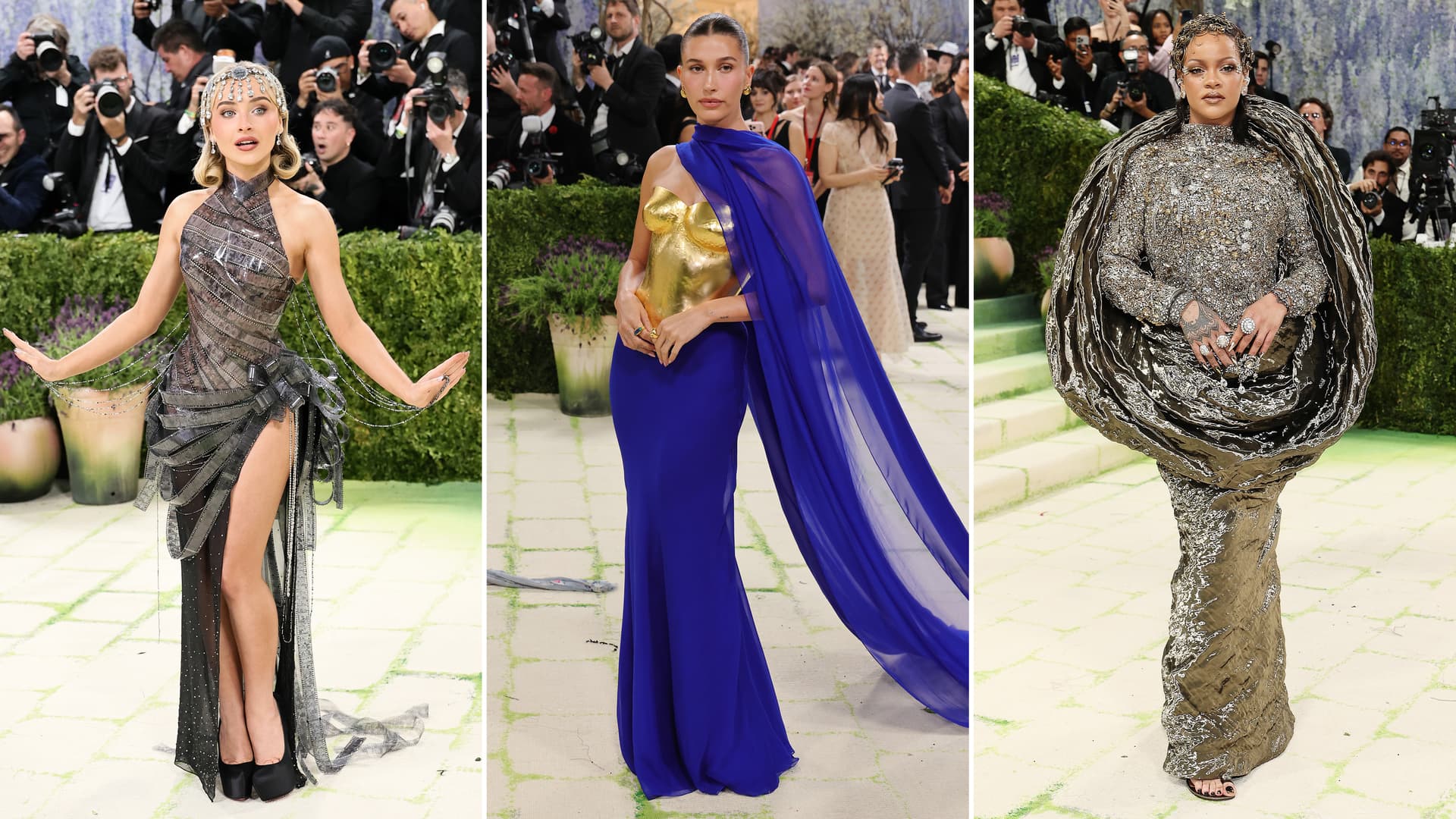
The most compelling Met Gala looks did not just dress the body, they framed it like art. This year’s stars translated the “Fashion Is Art” brief into custom and couture statements that felt built for a museum wall as much as a red carpet, with Rihanna, Beyoncé, Kylie Jenner, Nicole Kidman, Sabrina Carpenter, Gigi Hadid and Zoë Kravitz driving the conversation.
The gala was always bigger than one night
The reason these looks landed so strongly is that the Met Gala was never only a party. It is the public face of the Costume Institute’s spring exhibition, and this year that exhibition is Costume Art, a show the Met says examines “the centrality of the dressed body” by placing garments beside artworks from five centuries. It opened to the public on May 10, 2026, and runs through January 10, 2027, giving the night’s fashion a long cultural afterlife.
That museum tie-in matters because the setting is newly expanded, too. Costume Art inaugurates the Met’s nearly 12,000-square-foot Condé M. Nast Galleries, a fresh fashion home inside one of the world’s most influential art museums. Add the fact that the Met described the evening as the 2026 Costume Institute Benefit, and the message is clear: this is fundraising, exhibition opening and style theater all at once.
The stars who made the theme feel wearable
The guest list supplied the night’s most readable fashion ideas. Who What Wear singled out Rihanna in shimmering Maison Margiela couture with custom Jennifer Behr headpieces, Beyoncé in an Olivier Rousteing look, Kylie Jenner in custom Schiaparelli, Nicole Kidman in Chanel, Sabrina Carpenter in Dior, Gigi Hadid in custom Miu Miu and Zoë Kravitz in Saint Laurent with a corseted waist. Those are not just celebrity moments, they are templates for how the theme will filter into the rest of formal dressing.
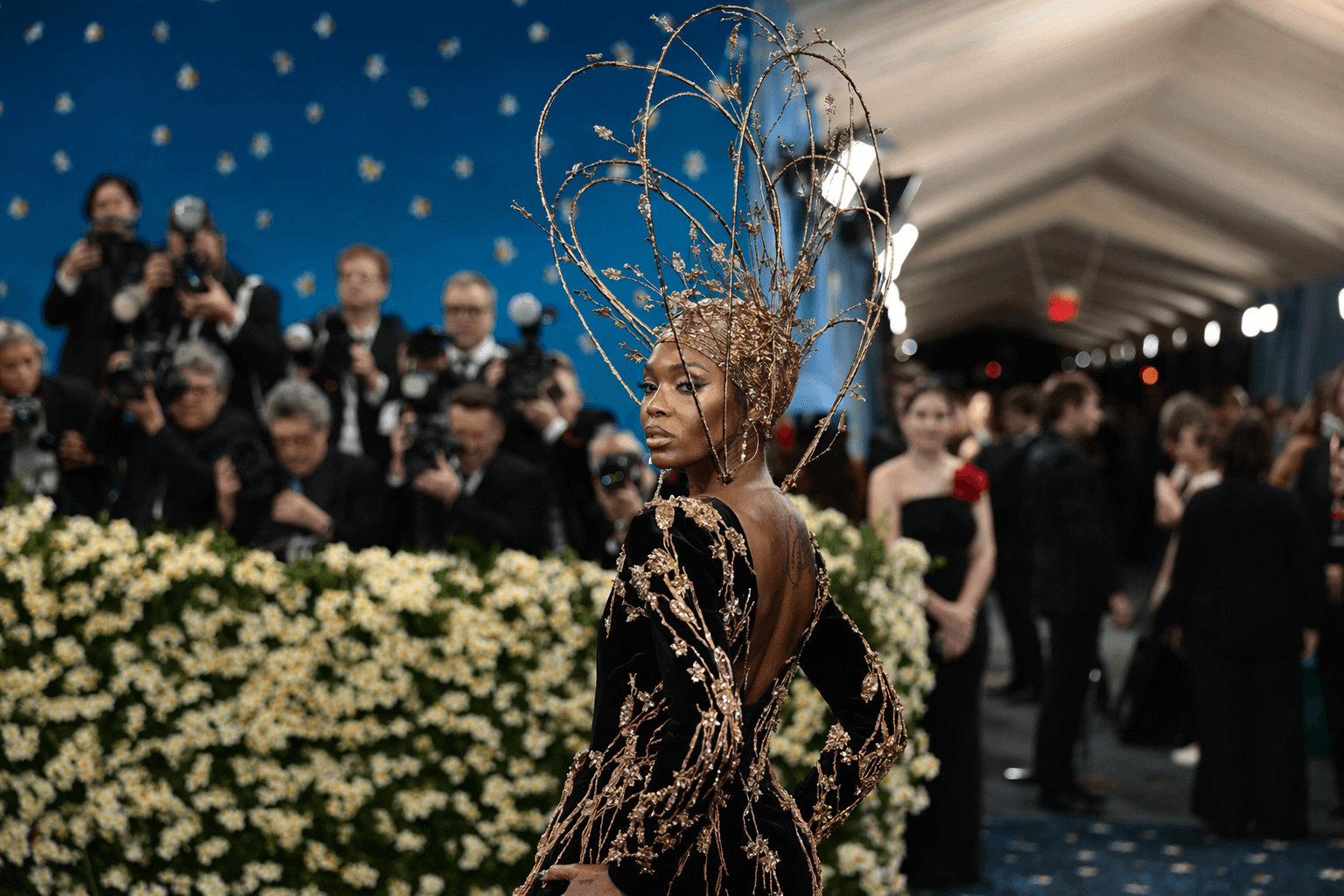
The key is that the best looks did not lean on costume. They leaned on construction. Kylie Jenner’s sculpted Schiaparelli silhouette, Rihanna’s couture finish and Zoë Kravitz’s sheer lace with a corseted waist all pointed to the same idea: shape is the message. Even Nicole Kidman’s Chanel and Sabrina Carpenter’s Dior were part of a broader shift toward polished, intentional dressing that feels considered rather than overworked.
The accessory story is the sleeper trend
One of the strongest signals from the red carpet was the unexpected number of headpieces. Who What Wear’s live coverage noted that the broad brief produced a striking amount of sculptural ornament, which is exactly why these looks feel poised to travel beyond celebrity fashion and into real-life occasion dressing. A dramatic headpiece changes the line of a gown the way strong shoulders change a suit: it makes the whole silhouette feel deliberate.
That matters for readers because this is the easiest idea to borrow without copying a celebrity. For prom, a single architectural hairpiece or embellished headband can do the work of a full fantasy gown; for a wedding guest dress, it is the difference between pretty and memorable; for holiday parties, one dramatic accessory can carry a simple black dress much farther than another layer of sparkle. The red carpet’s message is not “dress louder,” but “edit harder.”
What to wear next, and what to skip
The pieces most likely to influence upcoming formalwear are the ones that balance spectacle with structure. Look for sculptural corsetry, because it gives softness a frame. Look for painterly embellishment, because it turns surface into story. Look for archival references, because they lend a sense of fashion memory. And look for exaggerated silhouettes, because volume still reads as fresh when it is controlled rather than fussy.
What to skip is anything that feels like literal costume. The Met’s own framing around the dressed body, and Who What Wear’s emphasis on custom and couture, point toward interpretation rather than disguise. The new formalwear mood is less about dressing like art history and more about making a dress, a suit or a coat feel as if it could hold its own inside a gallery.
Why this night will linger in closets
The Met Gala’s strongest fashion usually survives because it gives shoppers and stylists a working vocabulary, not just a mood board. This year that vocabulary is easy to read: headpieces, corsetry, custom construction, sheer lace, polished tailoring and a museum-minded sense of proportion. It is the kind of red-carpet language that shows up first in couture, then in prom dresses, then in wedding-guest racks and December party edits.
That is what makes the 2026 edition feel bigger than a themed gala. With Costume Art running through January 10, 2027, and the new Condé M. Nast Galleries giving the Costume Institute a permanent, expanded stage, the night’s best looks are already doing what the best fashion always does: turning one evening into a longer conversation about how clothes can look, mean and move like art.
This article was produced by Prism’s automated news system from verified source data, official records, and press releases, then run through automated quality and moderation checks before publishing. The system is built and supervised by the people who set the standards it runs under. Read our full AI policy.
Did this article answer your question?


