New Creative Directors Are Reshaping Fashion Trends for Upcoming Seasons
A new guard of creative directors is rewriting the rules of fashion, with Demna's latest move among the debuts already sending ripples through upcoming season trends.
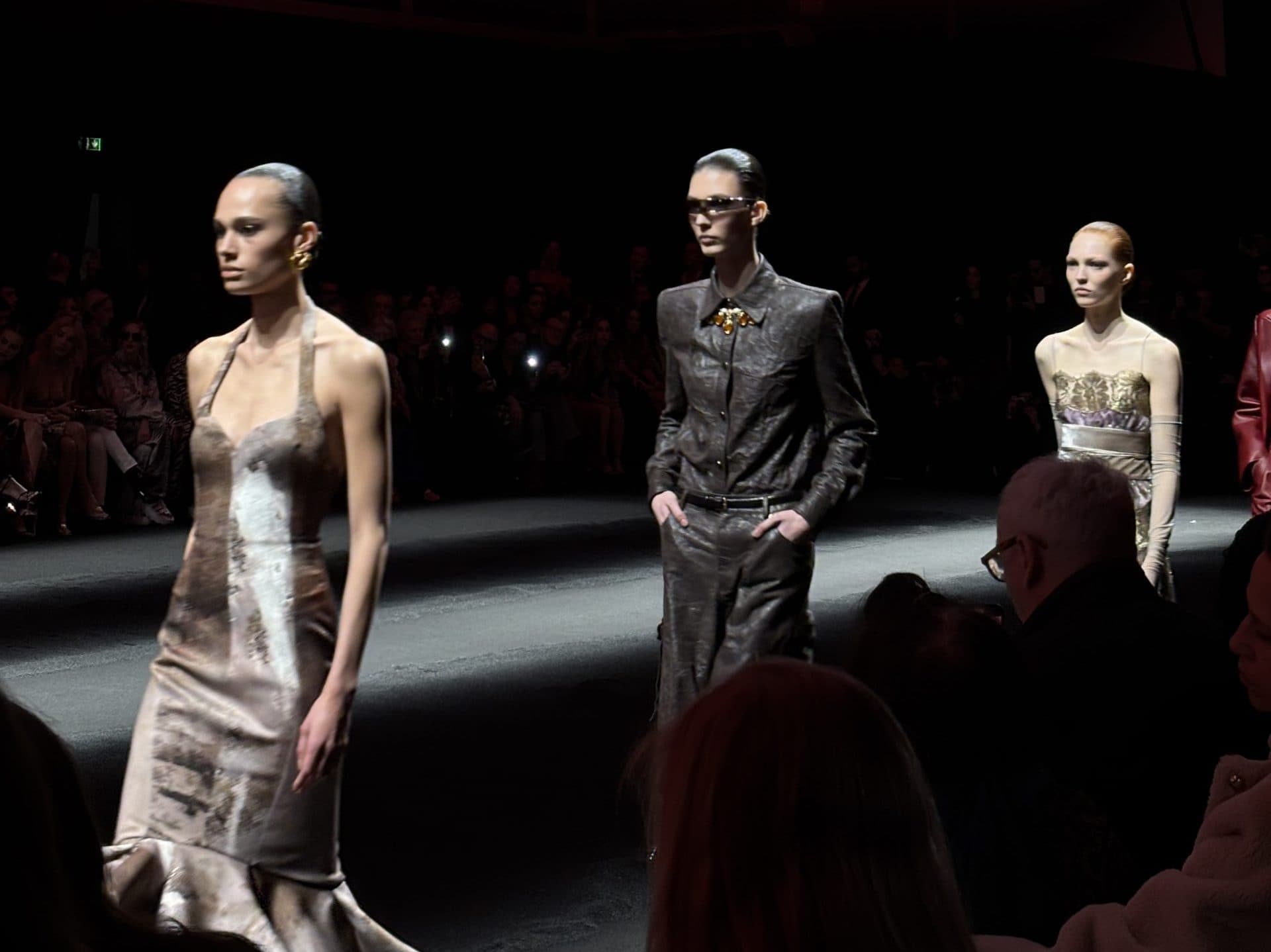
The fashion industry runs on creative vision, but it pivots on creative-director appointments. When a major house installs new leadership, the ripple effects reach far beyond a single runway show: they reshape brand identity, redirect supply chains, influence what retailers buy, and ultimately determine what ends up in wardrobes. The wave of debut collections arriving from newly installed creative directors is doing exactly that right now, and the implications for upcoming seasons are significant enough that the industry has been watching with unusual intensity.
The moment we're in
What makes the current landscape distinctive is not simply that creative directors are changing, though the rate of movement has been notable. It's that several of these transitions are happening simultaneously at houses with genuine cultural weight, meaning the trend fallout is compounding rather than isolated. When one major house pivots its aesthetic, it creates a conversation. When several do it within the same runway cycle, it creates a new vocabulary that buyers, stylists, and consumers begin to absorb all at once.
Fashionista's analysis of this wave, published just days ago, frames the phenomenon precisely in those terms: these aren't just personnel changes, they are directional shifts that will shape what fashion looks and feels like across upcoming seasons. The piece connects specific debuts to specific trend trajectories, treating creative-director movement as one of the most reliable leading indicators of where fashion is heading.
Demna and the weight of a debut
Among the debuts drawing the most attention is Demna's, which arrives carrying an unusual degree of anticipation. Demna built his reputation across years of work that fundamentally challenged fashion's relationship with luxury, proportion, and cultural reference. His aesthetic sensibility, which pulls from utilitarian workwear, Eastern European post-Soviet imagery, and an almost confrontational relationship with the idea of "good taste," produced some of the most discussed and commercially successful collections of the past decade.
A debut in a new context means that entire sensibility is being recalibrated. The question the industry is genuinely asking is not whether Demna will be interesting, but how his particular instincts translate into a different house's heritage, customer base, and commercial expectations. That tension, between a strong creative voice and an institution's existing identity, is precisely where the most generative fashion moments tend to emerge. It's also where trend impact is hardest to predict and most worth watching.
What can be anticipated: a continued interrogation of silhouette, likely a subversion of whatever the house's most recognizable codes have been, and an almost certain conversation about what luxury means when filtered through a sensibility that has always been skeptical of its own conventions. Whether that manifests in exaggerated tailoring, deconstructed eveningwear, or something that resists easy categorization will become clear on the runway, but the industry is already adjusting its expectations accordingly.
Why creative-director debuts function as trend signals
It's worth understanding the mechanics of why these appointments matter so much to trend direction, because the relationship is more direct than it might appear. When a new creative director takes a house, they typically bring their own network of collaborators: favorite pattern cutters, preferred fabric mills, trusted casting directors, recurring muses. Those choices cascade into the collection in ways that shape not just the clothes but the entire world the clothes inhabit.
A creative director who favors a particular silhouette will push their atelier to develop new techniques for executing it. One who has strong opinions about fabric weight will work with mills to develop custom materials. Those materials, those techniques, those silhouettes then appear in the collection, get photographed, get bought by retailers, and begin filtering into the broader market. The influence doesn't stay at the luxury level; it moves through the fashion ecosystem over the following seasons, showing up in contemporary brands, high street interpretations, and eventually the general visual culture.
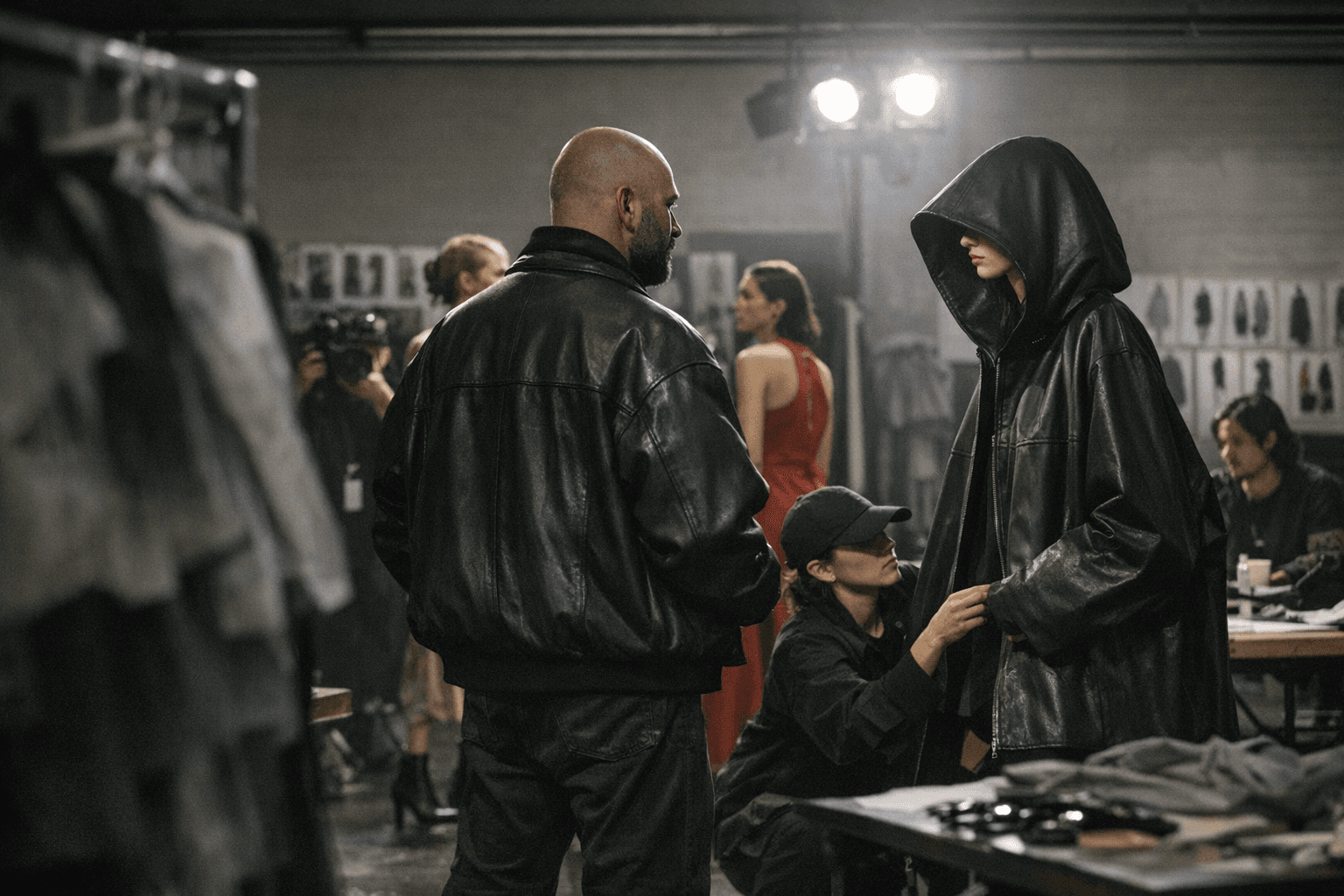
This is why tracking debut collections is genuinely useful as a trend-forecasting exercise, not just as fashion journalism. The decisions made in a new creative director's first season often define the aesthetic direction of a brand for years, which means they define what a significant portion of the market is chasing for years.
The broader pattern
The current wave of appointments reflects a fashion industry that has been doing significant restructuring at the creative level. Houses that built their identities around a single long-tenured vision have had to reckon with what comes next. Some have chosen to install designers with established reputations and strong points of view, accepting the disruption that comes with that. Others have made more conservative choices, prioritizing continuity over provocation.
The debut collections emerging from these appointments will function as a kind of index of where fashion's risk appetite currently sits. A season in which multiple houses debut bold, directional work from opinionated new voices suggests an industry feeling confident enough to take creative chances. A season of cautious, commercial debuts suggests the opposite.
Based on the debuts being tracked right now, the indicators lean toward ambition. The appointments that have generated the most industry conversation have generally gone to designers with strong, sometimes polarizing aesthetics rather than safe consolidators. That's a meaningful signal for upcoming seasons: expect collections that take positions, that have arguments built into them, rather than collections that simply refine what came before.
What this means for the seasons ahead
For the coming seasons, the influence of these creative-director debuts will manifest gradually rather than all at once. The first collections establish a direction; the second and third collections develop and refine it. By the time a new creative director's vision reaches full expression, it has typically been filtering into the broader market for a year or more.
That means the trend shifts set in motion by the current wave of appointments will continue to develop well into 2027. The silhouettes, fabric choices, and aesthetic arguments being made in debut runways right now are the seeds of what will feel, in a few seasons, simply like "the way things look." That's the particular power of creative-director movement at this scale: it doesn't just reflect culture, it creates the conditions for culture to shift.
The designers stepping into these roles understand that weight. The debuts worth watching most closely are the ones where that understanding is visible in the work itself, where a new creative director is not simply performing a job but making a genuine argument about what fashion should be.
This article was produced by Prism’s automated news system from verified source data, official records, and press releases, then run through automated quality and moderation checks before publishing. The system is built and supervised by the people who set the standards it runs under. Read our full AI policy.
Did this article answer your question?


