New York Fashion Week Fall 2026 Signals a Bold Structural Shift
New York is taking back its seat at fashion's top table, and Fall 2026's NYFW preview is the boldest proof yet.

Something is shifting in New York. Not the usual seasonal churn of trends recycled from European runways, but something more foundational: a genuine reassertion of the city's position on the global fashion calendar. Runway Magazine's March 10 preview made the case with conviction, framing Fall 2026's New York Fashion Week not as a warm-up act for Paris and Milan, but as a statement of intent in its own right.
The argument lands because the evidence is hard to dismiss. This season's lineup reflects a deliberate structural recalibration, one that balances the weight of heritage houses with the energy of emerging voices. That combination, when it works, is exactly what makes a fashion week worth watching. When it doesn't, you get either nostalgia without edge or novelty without craft. Fall 2026, at least in preview, appears to be threading that needle.
A New Creative Generation Steps Forward
The most compelling signal of this shift is the wave of creative-director debuts embedded in this season's schedule. New appointments at established houses carry a particular charge: they represent a brand's bet on the future, a public declaration of which direction the house intends to travel. Debut collections are never just clothes; they are manifestos, pressed in fabric and silhouette, shown under lights to an audience that is simultaneously hoping to be surprised and anxious about change.
These debuts matter beyond the front row. When a new creative director steps onto a New York stage for the first time, they are also making a case for the city itself. Choosing New York over London, Paris, or Milan is an editorial decision as much as a logistical one. It signals confidence in the city's audience, its press, and its place in the broader fashion conversation.
Heritage Houses Hold Ground
Alongside the new arrivals, the established houses anchoring Fall 2026 are not simply coasting on reputation. Heritage carries responsibility, and the strongest legacy brands in New York's orbit have spent recent seasons working to prove that longevity and relevance are not mutually exclusive. The structural shift Runway Magazine identifies is partly their doing: by staying committed to New York while other houses chase the European circuit, they lend the week a credibility that cannot be manufactured overnight.
There is also something to be said for what heritage houses bring to the visual grammar of a season. The silhouettes they develop, the fabrics they invest in, the codes they either honor or deliberately subvert: these become the benchmarks against which newer designers are measured. A fashion week that has only emerging voices is exciting but unanchored. One with only legacy names is stable but stagnant. The balance Runway Magazine describes is the ideal tension.
The Logistics Are Part of the Story
Fashion editors love to mythologize the runway, but the practical realities of staging a major fashion week are worth taking seriously, because they shape what you actually see. Winter weather in New York is not an aesthetic backdrop; it is a genuine logistical variable. Models walking in February or March cold, guests navigating sleet between venues, backstage teams managing fabrics that respond differently to dry indoor heat versus the damp outside air: these conditions influence everything from fabric choices to show formats.
The calendar itself is another pressure point. New York sits at the opening of the international fashion week circuit, which means designers here are setting the tone before the conversation has fully begun. That positioning has historically been read as a disadvantage, a sense that New York speaks before the room has quieted. Fall 2026's preview suggests the city is reframing that disadvantage as an opportunity: to speak first, clearly, and loudly enough that the rest of the calendar has to respond.
What This Season Actually Means for How You Dress
Strip away the industry mechanics and the question that matters most is a simple one: what does this structural shift mean for what ends up in your wardrobe? The answer, based on what Fall 2026 is signaling, is that the clothes coming out of New York this season will carry more formal conviction than recent years. The mix of heritage authority and debut-collection boldness tends to produce collections that commit to a point of view rather than hedging toward commercial comfort.
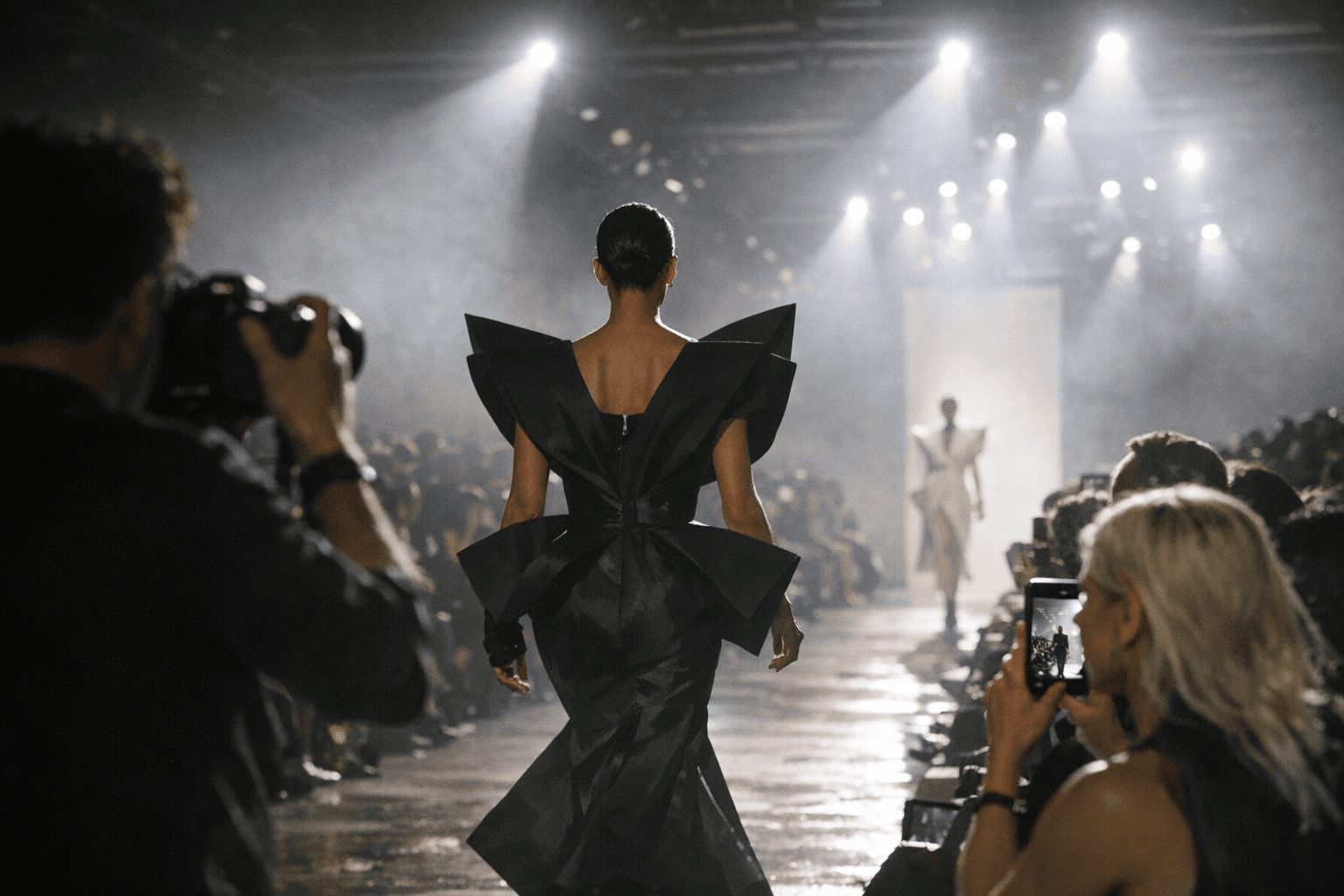
Expect silhouettes with architectural intention. When new creative directors are making their case and legacy houses are defending their relevance, nobody is playing it safe with a relaxed, everything-goes approach. The structural shift Runway Magazine is tracking is also, at its core, a shift toward structure in the clothes themselves: clean lines, considered proportions, fabrics chosen for their behavior on the body rather than their trend-cycle timing.
For practical dressing, that means Fall 2026's New York output will likely reward investment in pieces with a clear point of view. Not maximalism for its own sake, and not the quiet-luxury minimalism that has dominated the past few seasons, but something with more spine to it. Tailoring that means something. Outerwear that makes a decision. Knitwear with weight and intention.
Why New York's Moment Matters
The global fashion calendar is not a fixed institution. It shifts with cultural weight, economic pressure, and the simple gravitational pull of where the most interesting work is happening. For a stretch of recent years, the gravitational center felt distinctly European. What Fall 2026's NYFW preview suggests, and what Runway Magazine's analysis articulates with real clarity, is that New York is done waiting for permission to matter.
The combination of creative-director debuts bringing fresh eyes, heritage houses bringing earned authority, and a city that runs its fashion week under real-world conditions rather than ideal ones: that is a potent mix. The structural shift is not just in the lineup. It is in the attitude. New York is no longer positioning itself relative to Paris or Milan. It is positioning itself relative to what fashion needs right now, which is conviction, contrast, and the willingness to show up in difficult weather and say something that counts.
This article was produced by Prism’s automated news system from verified source data, official records, and press releases, then run through automated quality and moderation checks before publishing. The system is built and supervised by the people who set the standards it runs under. Read our full AI policy.
Did this article answer your question?


