Personality dressing takes over as fashion rejects one uniform
The new style move is to stop dressing like a logo and start remixing what you own with real personality. Fashion is rewarding expression, and the closet gets more mileage out of it.
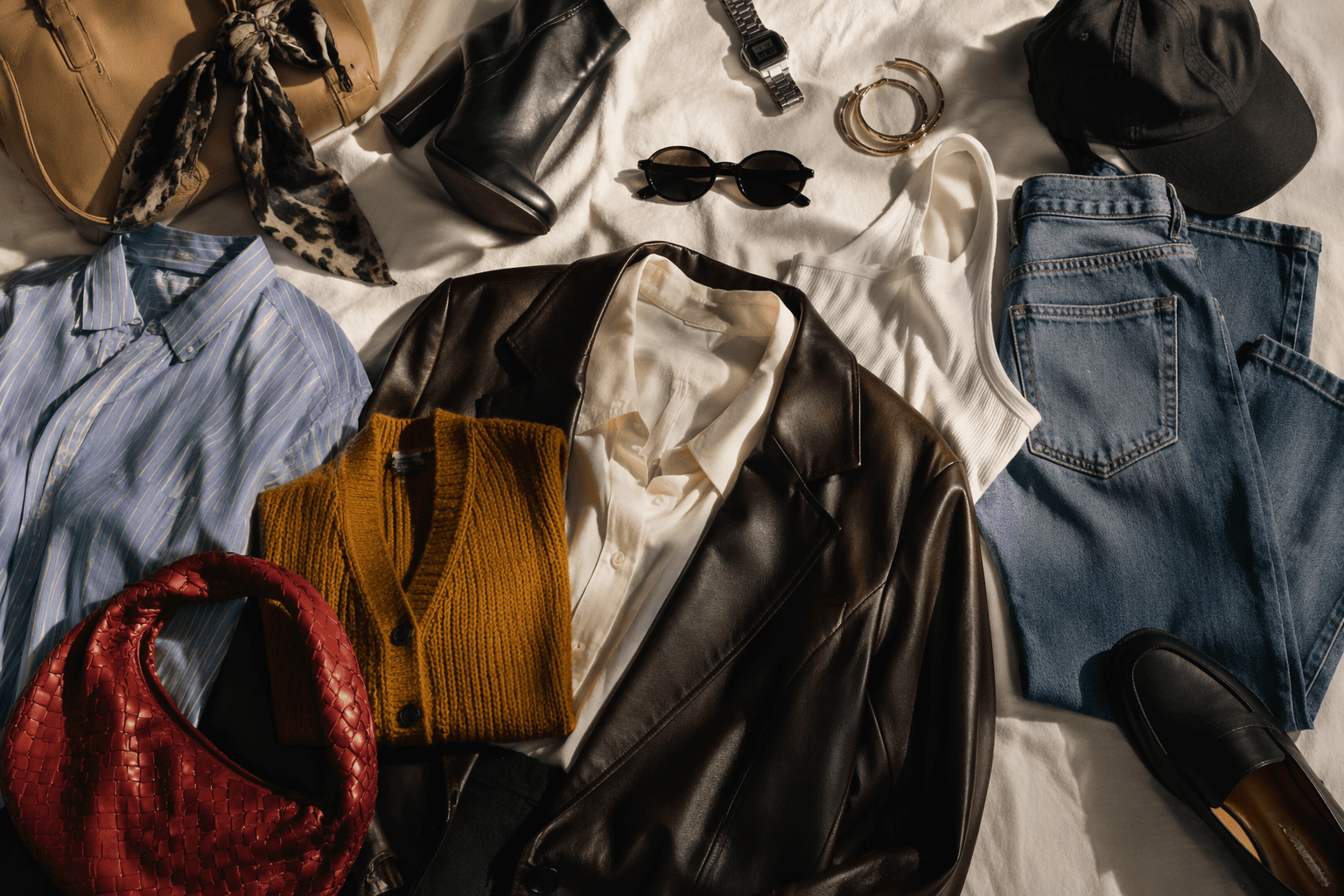
Spring/summer 2026 arrives with 15 designer debuts after a major industry shake-up. The clean, repeatable uniform is losing its grip. The people setting the pace now are the ones who look like they got dressed with intent, not a template, and the result is sharper, stranger, and far more alive than another feed-approved formula. Personality dressing is about making clothes say something specific again.
Why the uniform is getting boring
The old style hierarchy prized recognizability: one silhouette, one palette, one signature formula you could spot from across the street. That works until everyone starts dressing like the same mood board. Who What Wear UK called the shift embracing “personality dressing” instead of a uniform, and “Millennial Dad” has entered the chat because over-finessed sameness is getting tired.
What feels fresh now is not perfection but specificity. A look can be easy, even slightly odd, and still feel more luxurious than a head-to-toe trend package because it reads as lived-in. The new appeal is psychological: if everybody else is dressing for the algorithm, the person who mixes things up looks like they still have a pulse.
The runway mood is doing the same thing
This is not just a street-style twitch. Harper’s Bazaar UK’s spring/summer 2026 trend roundup points to a runway landscape that is already more decorative, more referential, and less obedient to one clean house style. Vivid colors, fringing, feather trims, slouchy suits, flapper silhouettes, and Marie Antoinette references all push in the same direction: clothes that ask to be interpreted, not just consumed.
A slouchy suit worn with a feather-trimmed top does not read like a uniform. Neither does a flapper echo under a sharp coat, or a Marie Antoinette nod filtered through streetwear basics.
What personality dressing looks like in real life
On the street, the most convincing versions of this trend are not the loudest. They are the outfits with one clear pivot: heavy layering, a statement hat, or bold footwear that changes the whole read of everything else. That is what makes the look feel edited in person. You can watch someone build a silhouette out of contrast, then see the whole thing click because one piece refuses to behave.
Personality dressing does not require a shopping binge. It works by recombining what already lives in the wardrobe: a familiar coat worn over a more unexpected base, a polished piece dragged into a looser context, a shoe choice that breaks the logic of the rest of the outfit. The effect is less about buying new identities and more about refusing to wear the same one every day.
- Start with one piece you already know you love, then push it out of its usual lane.
- Change the proportion before you change the wardrobe. A shorter jacket, a longer hem, or a roomier trouser can shift the whole mood.
- Let accessories do the weird work. Hats, shoes, and bags are the fastest way to break a uniform.
- Mix one refined element with one offbeat one. That tension is where the look gets its personality.
Why the market is ready for it
The bigger fashion market is also making room for individuality. State of Fashion 2026, from The Business of Fashion and McKinsey, drew on more than 2,000 clients and dozens of interviews and found a consumer base with increasingly distinct local preferences that still craves emotional connection. People want to feel seen, but they do not want to feel packaged.
AI search, smart glasses, tariffs, and wellness are also major 2026 industry themes. When technology, trade, and consumer behavior are all moving at once, the old idea of one dominant look starts to feel brittle.
How to wear it without losing your closet in the process
Personality dressing works best when it extends the life of pieces you already own. The trick is to treat your wardrobe like a set of building blocks, not a finished costume. A favorite jacket can look new when it meets a different pant shape. A dress can behave differently under a heavy layer. Even a familiar shoe can flip the whole tone of an outfit if everything else is softened or sharpened around it.
This article was produced by Prism’s automated news system from verified source data, official records, and press releases, then run through automated quality and moderation checks before publishing. The system is built and supervised by the people who set the standards it runs under. Read our full AI policy.
Did this article answer your question?


