Prada launches Kolhapuri-inspired sandals, funds three-year artisan training program
Prada turned a Kolhapuri sandal backlash into a limited-edition launch and a three-year training program for 180 artisans across Maharashtra and Karnataka.

Prada’s answer to the Kolhapuri controversy is not a retreat. It is a sandal launch, a training program and, more pointedly, a test of whether luxury can move from borrowing a craft to repairing its relationship with it. The brand released a limited-edition collection inspired by Kolhapuri chappals, made in India by artisans from Maharashtra and Karnataka, and sent it into 40 selected Prada stores worldwide and Prada.com at a price of 750 euros.
That price places the shoes squarely in luxury territory, but the real story sits beneath the calfskin and straps. Prada said the project, titled “PRADA Made in India x Inspired by Kolhapuri Chappals,” was instituted in December 2025 and is now entering a public phase after the uproar that followed its June 2025 menswear show in Milan, when sandals widely read as Kolhapuri-like appeared without clear credit. For a house that trades on precision, this collection reads as an attempt to make attribution visible, not just implied.
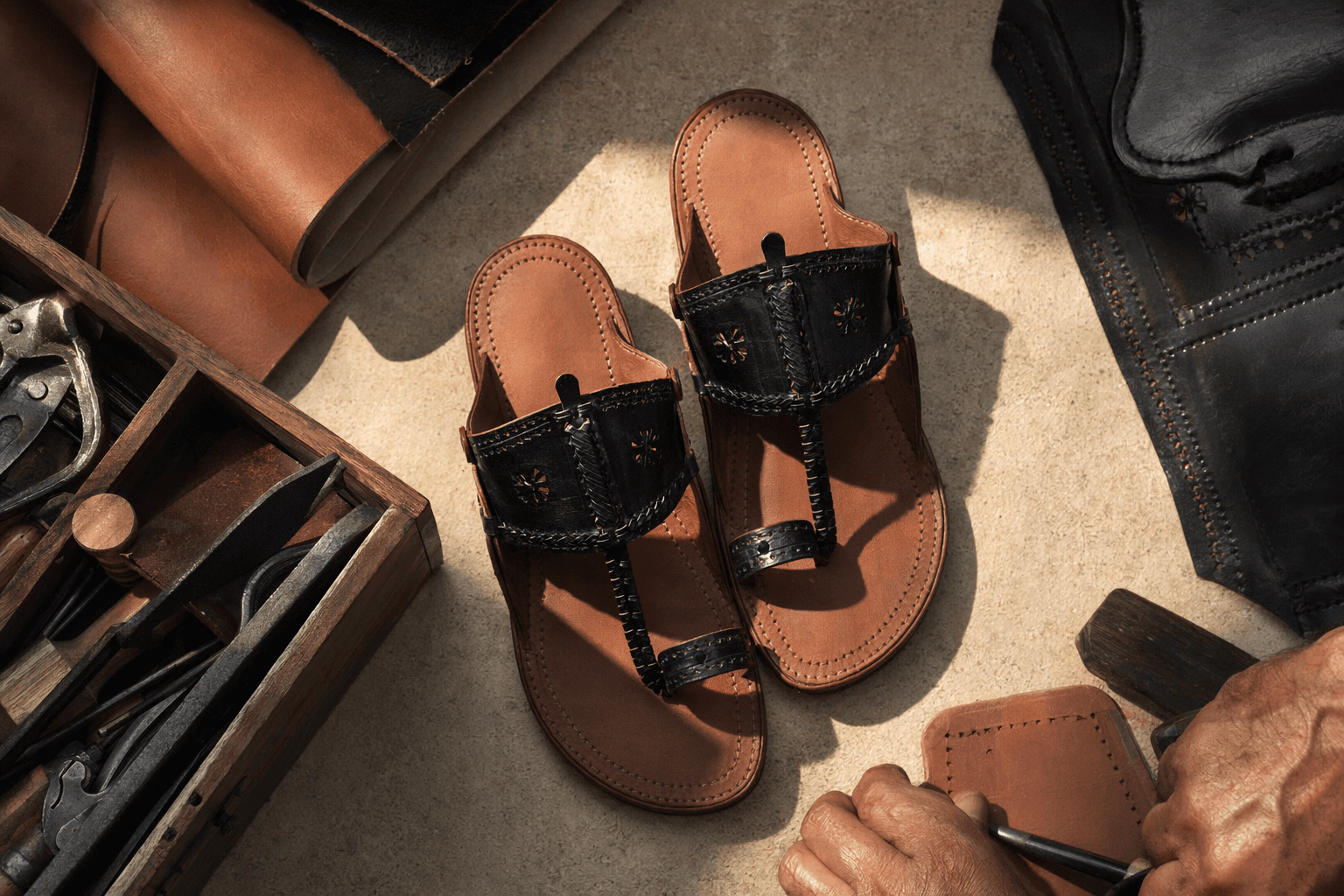
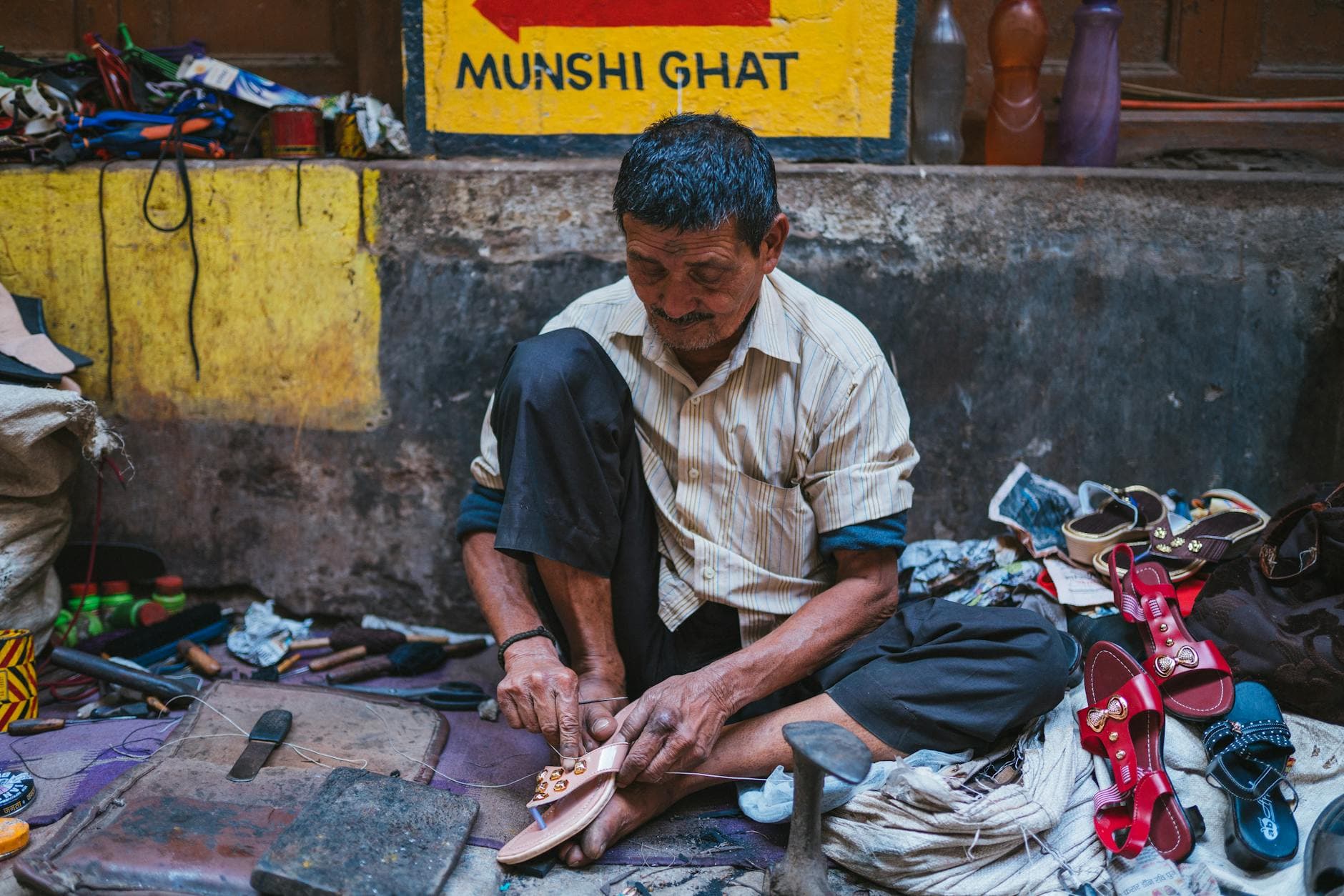
Prada’s own framing leans heavily on heritage. The company says Kolhapuri chappals trace their origins to the 13th century and are rooted in family-based knowledge passed down through generations. The style has evolved into wedge heels, closed-toe versions and more delicate women’s straps, but the classic T-strap silhouette remains the recognizable spine of the craft. Prada also notes that the sandals received India’s geographical indication tag in 2019 and are traditionally made across eight districts in Maharashtra and Karnataka: Kolhapur, Sangli, Satara and Solapur, plus Belagavi, Bagalkot, Dharwad and Bijapur.
The companion training program is the more consequential move. Prada said it will run for three years in six-month modules, involve 180 artisans and accept applicants aged 18 to 45. It is being developed with LIDCOM, LIDKAR, the National Institute of Fashion Technology and the Karnataka Institute of Leather & Fashion Technology, and it is fully funded by the Prada Group, including through proceeds from sandal sales. Selected participants can continue at Prada Group Academy in Italy, a detail that suggests the company wants to build a pipeline, not just a PR buffer.
Every purchase includes a leaflet explaining the sandals’ history, a small but telling gesture in an industry where provenance is often implied only after the backlash starts. Prada is not the first luxury label to flirt with heritage craft, but it is now trying to turn a cultural dispute into a model of visible repair. Whether that becomes a genuine shift in future design practice, or simply a better-managed version of the old pattern, will depend on what happens after the first pair is sold.
This article was produced by Prism’s automated news system from verified source data, official records, and press releases, then run through automated quality and moderation checks before publishing. The system is built and supervised by the people who set the standards it runs under. Read our full AI policy.
Did this article answer your question?


